Girls-only Brunch
Sunday, March 24th, 2013It was so good to catch up with these lovely ladies!
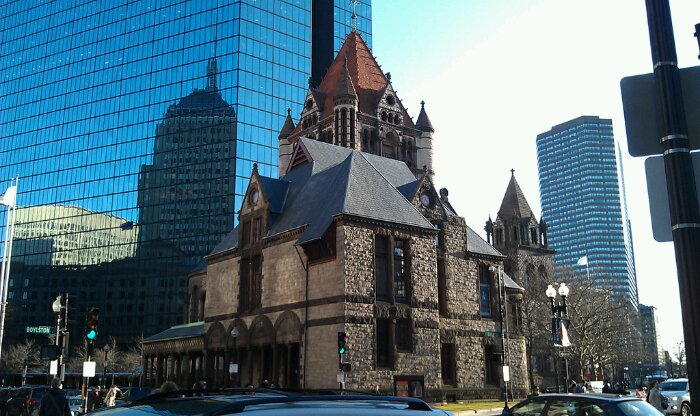
Yet another gorgeous view of Trinity Church and the Hancock Tower in Copley Square. On my way to meet my sweetie for dinner just a few hours after a new pope was elected.
In honor of scoring a new drawing commission, I decided that I needed a new set of pencils. How beautiful is this? I’ve been using Staedtler pencils since the late 90s 🙂

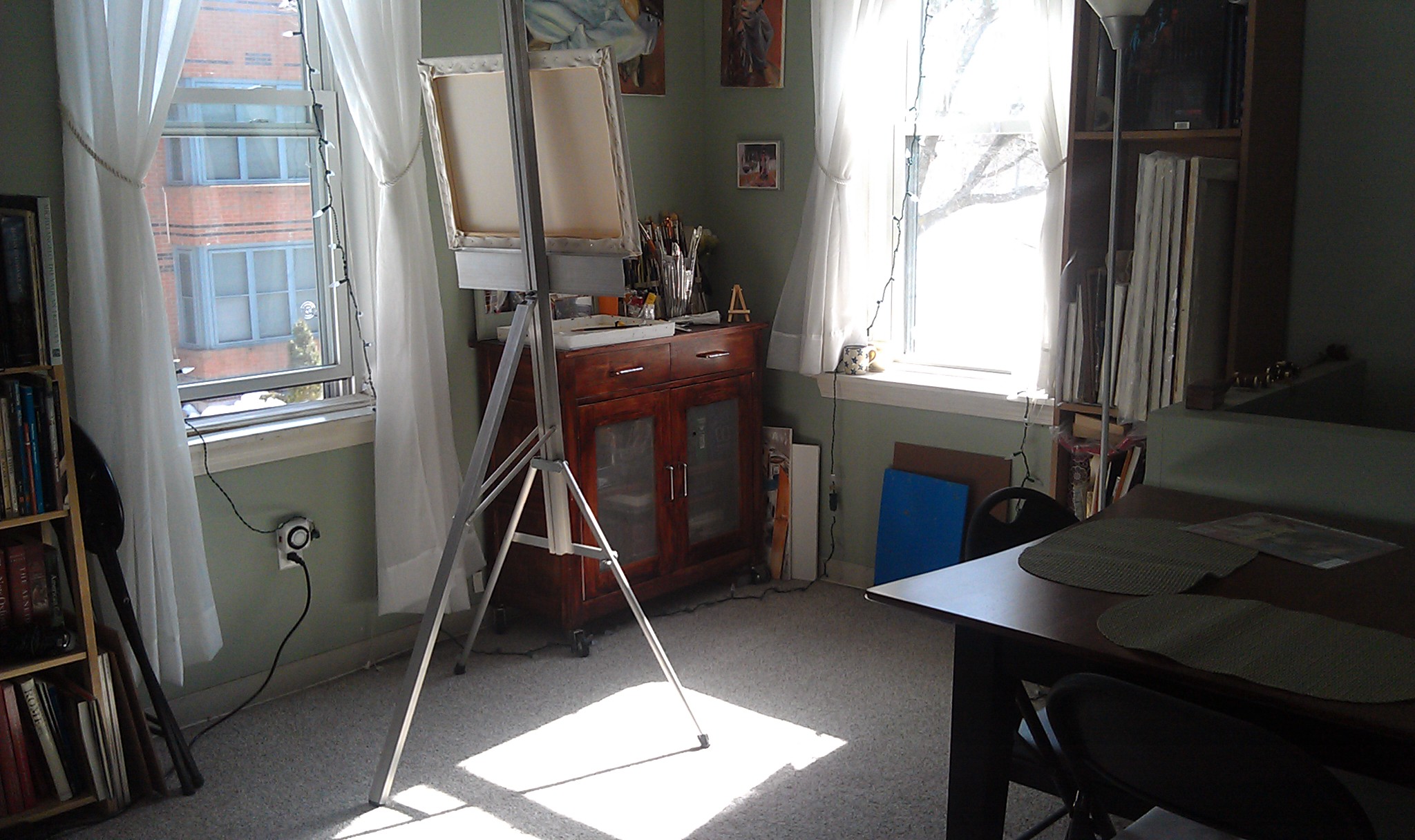
It’s snowing sideways and I have a lonely blank canvas in my studio. Remind me again why I’m leaving my apartment today?

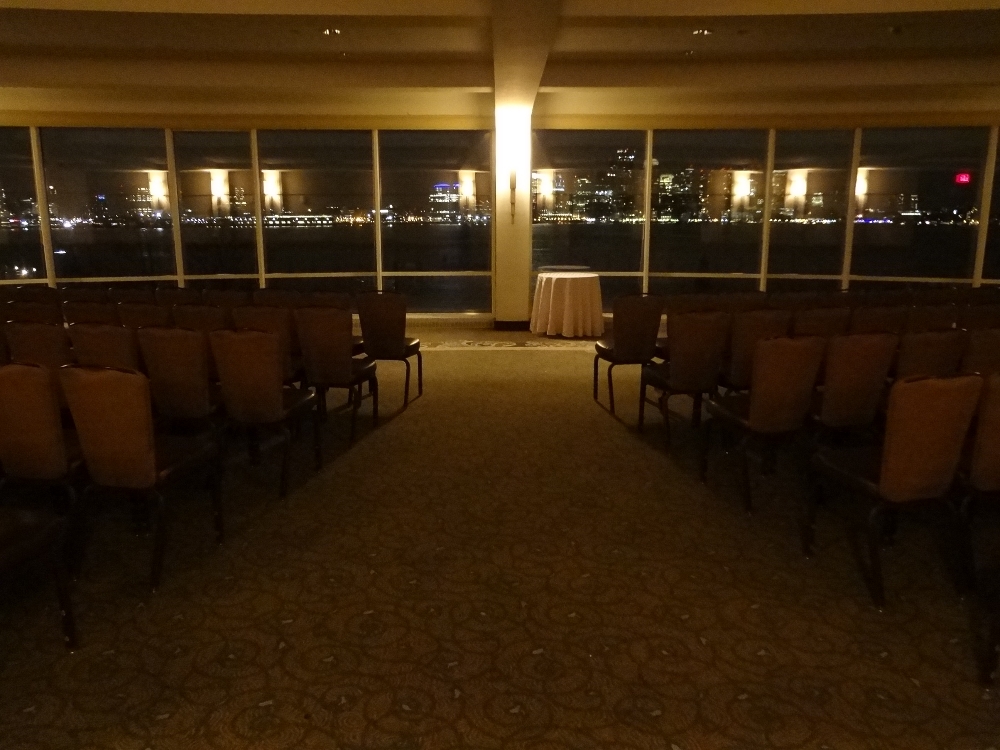
[Not a valid template]A year after our wedding, we can look back and honestly say that we would not have done anything differently. Our wedding weekend was truly joyful, and we returned to the Hyatt Harborside to celebrate our first anniversary and enjoy those wonderful memories. We enjoyed a delicious dinner and breakfast at the Harborside Grill, and we still can’t get enough of that spectacular view! Brian’s family surprised us with a delicious antipasto platter and a bottle of champagne, which was a really sweet treat.
Brian planned a wonderful surprise of his own. He ordered a mini-version of our wedding cake from the bakery where our wedding cake was from, and we picked it up on our way to my parents’ house. He tried to get the bakery to decorate our cake with the same leafy design as our wedding cake, but it didn’t work out quite as he had planned. Instead, it was even better. They frosted the cake with the leaves of two full trees meeting in the middle. We had lunch with my family, and shared the cake with them.
Click here to see Maureen’s wonderful video slide-show from our wedding.






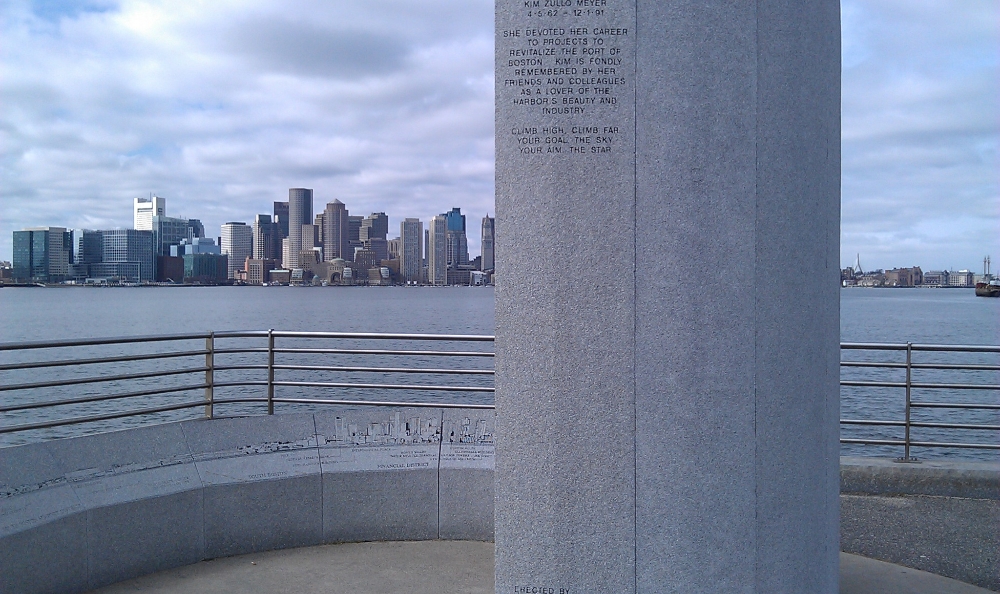
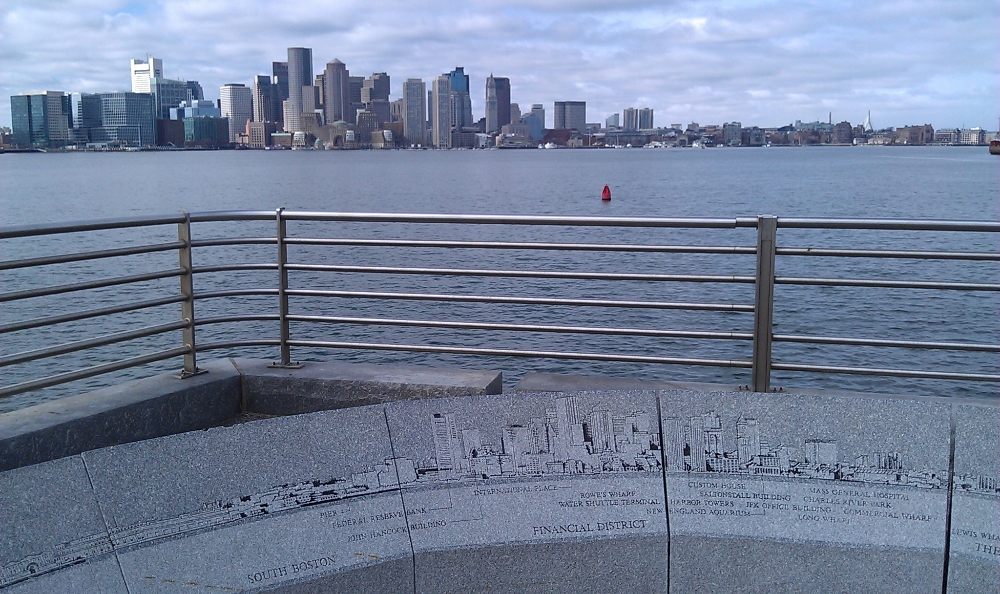
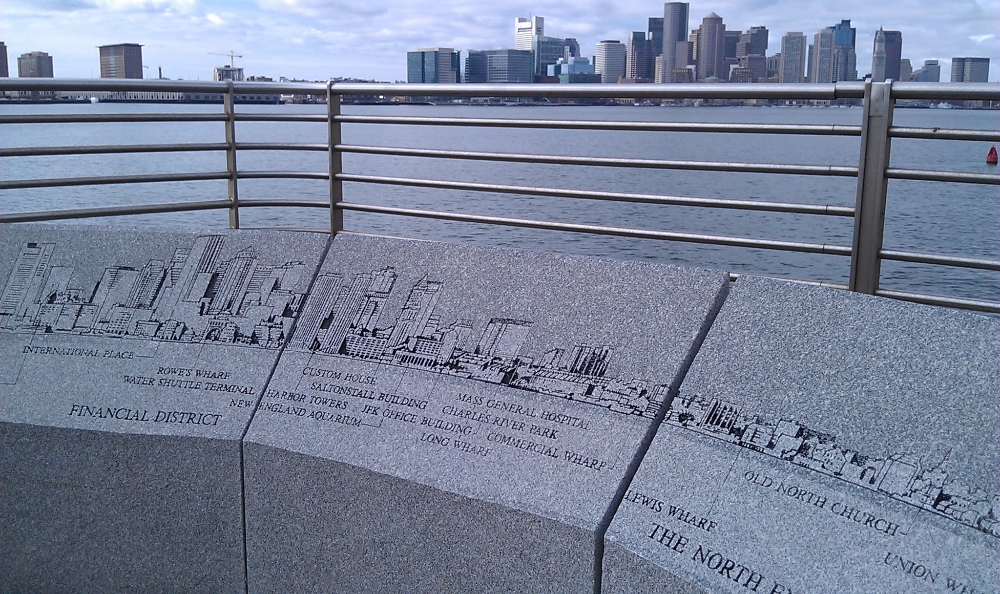
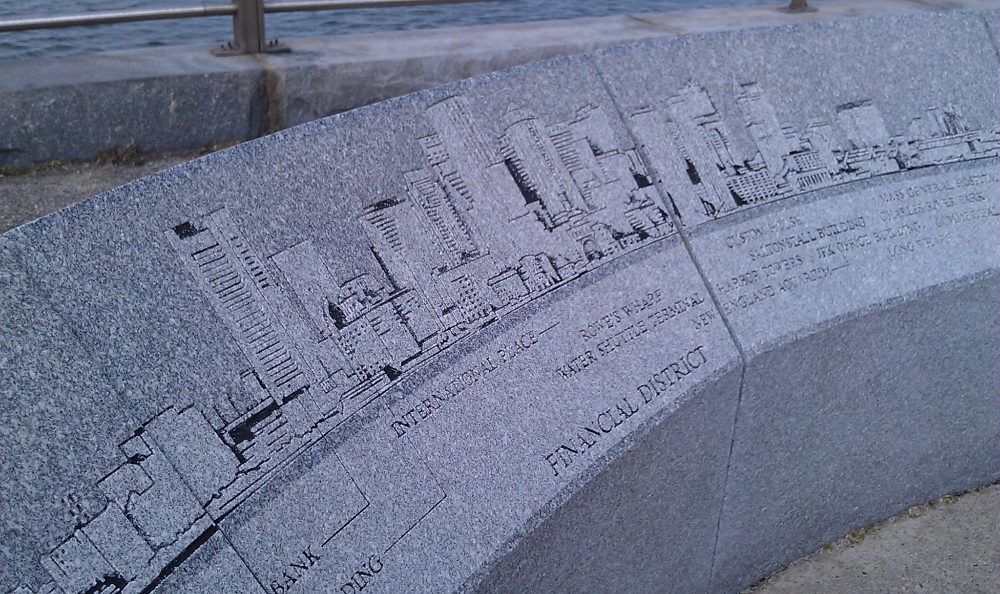

Not a bad way to start a Saturday …
I volunteered this morning at the Isabella Stewart Gardner Museum, and the light pouring in to the greenhouse was absolutely gorgeous.




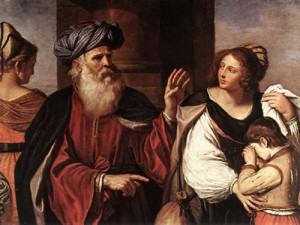
Guercino, Abraham Casting Out Hagar and Ishmael
This is my fourth article in a monthly series of articles about paintings that tell ancient stories, drawing from my Stories in Art project.
Please click here for a full list of articles in this series.
~ § ~ § ~ § ~
Abraham is the first common ancestor of the Jews, the Christians and the Muslims, and his stories in the bible are among the most fascinating and complex. In Genesis 21, the patriarch of three faiths finds himself caught between his wife, her maid, and their two sons. Abraham faced an unpleasant domestic dispute, and we are reminded daily of the dire consequences. What happened so long ago that we are still feeling the effects every day?
|
God promised that Abraham would be the father of a great nation, but after being married to Sarah for many years, they did not yet have a son. So Sarah sent her maid Hagar to sleep with her husband, hoping that “… perhaps I can build a family through her.” (Genesis 16:2). Hagar gave birth to Ishmael, and then God fulfilled his promise to Abraham and Sarah. They named their long-awaited son Isaac and one day, Ishmael mocked Isaac. Sarah insisted that Abraham send Hagar and her son away, and he did. Hagar and Ishmael wandered in the dessert and when their food ran out, God sent an angel to revive them and ensure their safety. Isaac became a patriarch of the Jews and Ishmael became the ancestor of the Muslims.
Before we get into the beautiful and troubling paintings that depict the rejection of Abraham’s first son, we’ll dig in to the decisions that led to the moment when the angel interceded.
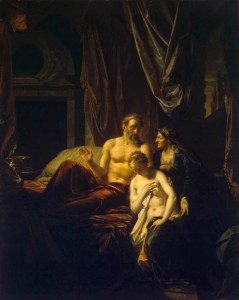
Adriaen van der Werff, Sarah Bringing Hagar to Abraham, 1696, The Hermitage, St. Petersburg
God’s promise to Abraham in Genesis 12 (see inset above) forms the foundation of three major world religions, and yet, in those early chapters, one wonders how Abraham is supposed to have so many descendants if he doesn’t have a son. Ten years after they left their father’s household in search of the promised land, God had still not given Sarah a son. To ensure that Abraham would be a father, Sarah sent her maid Hagar to sleep with her husband.
Was Sarah selfless or desperate? Was she giving up on God’s promise, or demonstrating her true faith by ensuring that His promise would come to pass? When God shows us our destiny, should we sit back and wait for God to make things happen, or is it our job to fulfill our own destiny by taking action? This is not a simple question, but God helps those who help themselves and Sarah took matters in her own hands. Whether Sarah did the right thing or not, she set in to motion a chain of events that continues today.
Adriaen van der Werff summarized this complex situation by depicting this dynamic trio together in Abraham’s bedroom. Abraham and Sarah share a glance as if to agree on this course of action, while Hagar accepts her fate in an attitude that suggests passivity as well as piety.
Ishmael was born to Abraham and Hagar, and then years later, Isaac was born to Abraham and Sarah. Hagar’s son mocked Sarah’s son, and Sarah demanded that Hagar and her son be sent away so that Ishmael would not inherit along with her own son. Again, Sarah’s actions can be called in to question. Was she just being jealous and over-protective, or was she helping to fulfill their destiny by ensuring that Isaac, the rightful heir, inherited God’s promised land from his father.
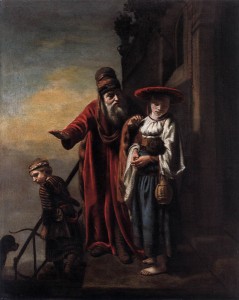
Nicolaes Maes, Abraham Dismissing Hagar and Ishmael, 1653, Metropolitan Museum of Art, New York City
Abraham reluctantly cast his firstborn son and his mother out of his household, denying them his protection and perhaps their survival. Was the father of three faiths a bad father? A parent’s duty is to protect and provide, but who would envy Abraham for having to choose between appeasing his wife and protecting his son? Abraham is not a bad father, and he dutifully kept the peace in his household by following the instructions of both God and his wife. God saved Abraham from having to make an impossible choice by assuring him that he was doing the right thing. In Genesis 21:11, God told Abraham to send Hagar and Ishmael away, and not to be concerned about them because He will make this son in to a nation as well.
In Nicolas Maes’ Dismissing Hagar and Ishmael, and other similar paintings, the expressions of the three characters tell the story plainly: Hagar is passive and disappointed, Ishmael is dejected and perhaps resentful, and Abraham is apologetic yet offers a gesture that suggests Ishmael’s blessing.
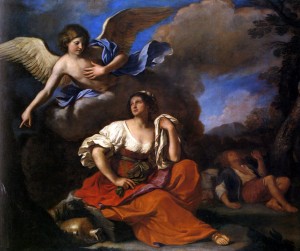
Guercino, The Angel Appears to Hagar and Ishmael, 1652-3, National Gallery, London
The text makes it clear that God protected and guaranteed a promising future for both of Abraham’s sons, but it also draws a sharp contrast between the favored son and the rejected son. While some artists reinforced the contrast between the sons, others drew attention to their similarities. By depicting the scene of the angel interceding when Ishmael was close to death, artists remind us of a similar scene in the very next chapter of Genesis when an angel will intercede to save Isaac’s life. We are reminded that God favored and protected both sons, and ensured that they would both live to fulfill their destiny of becoming the fathers of great nations.
Guercino’s painting in the London National Gallery depicts the moment when Ishmael was near death, and an angel arrived to point Hagar towards a well that would save their lives. His painting reminds us that God favored and protected Abraham’s outcast son Ishmael.
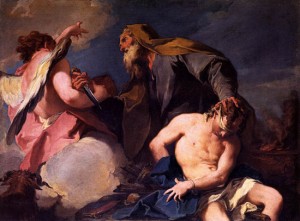
Giambattista Pittoni, Sacrifice of Isaac, c. 1720, San Francesco della Vigna, Venice
Many paintings such as Pittoni’s Sacrifice of Isaac depict the moment when Isaac was also near death and an angel interceded to save him. In both scenes, the artists highlight the crucial moment between life and death when the angel arrived to change the course of the story. God put both Ishmael and Isaac in a life-threatening situation, then sent an angel to intercede and save them. In seeing the connection between two scenes, we are reminded that God favored all of Abraham’s sons, not just the descendants of Isaac.
For centuries, hatred has grown between the sons of “the chosen one” and the sons of the outcast, and that hatred can be traced back to this story. Our present-day tragedies began with the rejection of an innocent woman and her son, but today’s situation is far more complex than the short verses of Genesis 21.
Am I really being too naive to hope that we can have peace if we can remember that God favored and protected both of Abraham’s sons, and not just one of them? Why must we focus on our differences when we have so much in common? If we knew the answer to this question then the last few millenia would have been very different.
~ § ~ § ~ § ~
In next month’s article, we will take a much closer look at paintings that depict ‘The Sacrifice of Isaac’: the moment when an angel stops Abraham from sacrificing his son. Until then, I leave you with a clip from a phenomenal episode of ‘The West Wing’, which was written and aired soon after September 11, 2001. In this episode, the White House is on lockdown because of a potential terrorist threat, and a school group is stuck at the White House. In this scene, the First Lady (Stockard Channing) tells them the story of Isaac and Ishmael in response to the question “How did all this start?” (beginning at 1:32 in this clip).
Clip from ‘Isaac and Ishmael’, Season 3 of ‘The West Wing’, written by Aaron Sorkin, first aired on October 3, 2001.
~ § ~ § ~ § ~
~ § ~ § ~ § ~
Previous article: Lot and his Daughters | Next article: Abraham and Isaac
I had jury duty and it was pretty boring, but at least they gave us long breaks. I took a walk around the neighborhood and snapped this shot at the corner of Beacon Street and Bowdoin Streets, opposite the State House. You can see the golden dome reflected in the window of this gorgeous example of Boston architecture.

Look at this beautiful creature …

Trying a little experiment — this is pasta dough with herbs and spices mixed in
(salt, pepper, garlic and my favorite Italian seasonings grinder). It smelled amazing!

Now we’re getting somewhere … and I’m getting pretty hungry

You gotta love a machine that does its job perfectly every time, without being plugged in to a socket

Until we get one of those fancy drying racks, the backs of chairs will have to do.
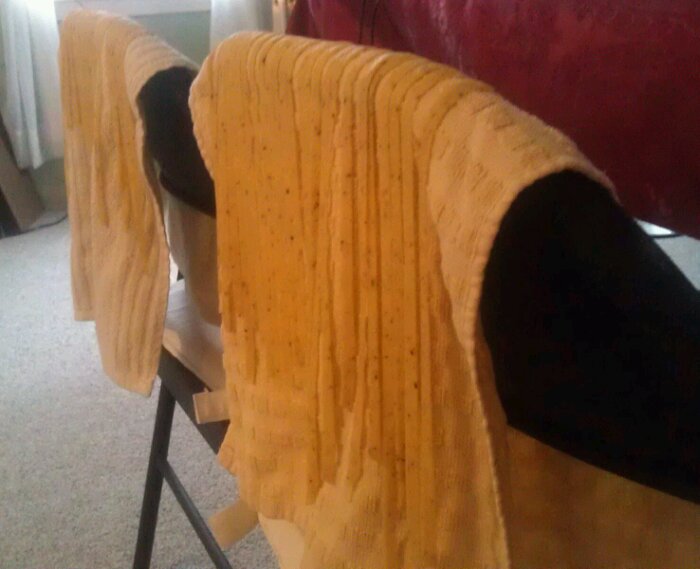
An hour later, into the pot they go. Did I mention how wonderful this smelled?

Seasoned pasta with butter and parmesan cheese. Success!!


Who was I kidding when I considered giving up chocolate for lent? My sweetie and I shared a brownie with caramel, chocolate sauce, chocolate covered pretzels, and salted caramel ice cream for Valentines Day
The snow is getting pretty gross, but my city is still beautiful.


On the day after our awesome new couch is delivered, the Blizzard of 2013 arrived and we’re ‘stuck’ at home for a three day weekend. No complaints here! We are perfectly happy to hang out at home. This is a photo of Brian on the new couch reading a book I recommended, and I’m making bagel pizzas.
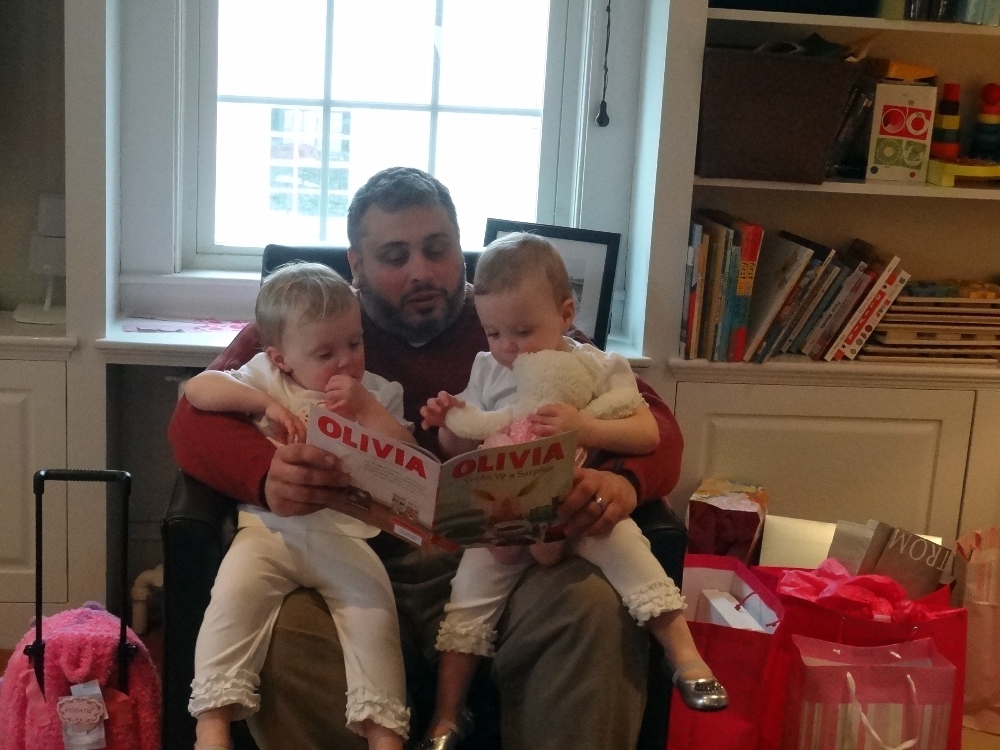
These precious munchkins just turned two, and after a long exciting morning playing with all of their cousins, they settled down in Brian’s lap for a story. I love this photo 🙂
We had a ridiculously good time at Toys R Us while trying to pick out gifts for twin two year olds. Someone had to play with ALL of the toys. We played with toy swords and nerf guns and pressed every single button on anything that made noise (which was everything).
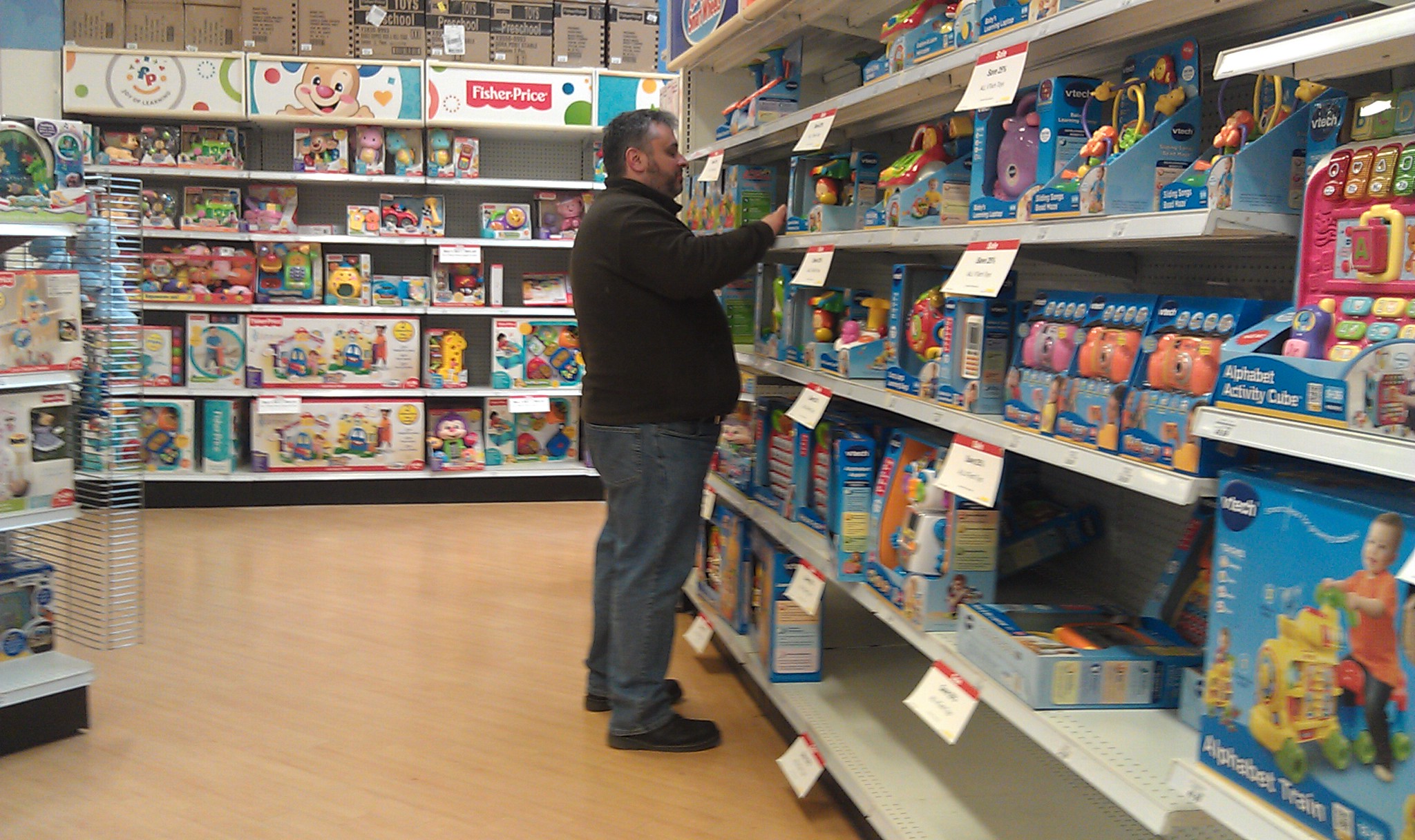
Brian playing with drums that are intended for two year olds.

My hero 🙂
Please click here for a full list of articles in this series.
This is my third article in a monthly series of articles about paintings that tell ancient stories, drawing from my Stories in Art project. I’m working my way chronologically through the Old Testament, so let’s review so far. Adam and Eve ate from the Tree of Knowledge, and God punished them by exiling them and sentencing women to painful childbirth. Cain killed Abel, and God punished him by making him a homeless wanderer. Ham didn’t turn away from his father’s shame, and God punished him by sentencing his descendants to slavery.
And now we come to Lot, whose daughters committed the unquestionably horrendous crime of incest. God sentenced Lot’s descendants to become the Kings of Israel and and the savior of mankind. God’s justice is truly beyond our understanding. Yes, that’s right, Lot is an ancestor of King David, and therefore also of Jesus Christ, but we’ll get to that in a minute.
The less said about the story of Lot and his daughters the better because this is a super-creepy story. Of course, some painters managed to make this scene much creepier than it needed to be. So what’s the deal here? In Genesis 19, Lot and his daughters were saved by God from the destruction of Sodom and Gomorrah and they ended up living in a cave. Lot’s daughters found a “brilliant” solution to the procreation problem since all of the eligible bachelors had been destroyed. They got their father drunk to preserve his ignorance, and they slept with him.
I have several questions I wish to ask, and they all start with “Why?”, but for our purposes, let’s focus on this one: “Why paint this scene?” The short answer is that it’s from the bible, and it was important to illustrate the bible to a largely illiterate society. True enough, but that’s never the whole story. Sex sells, and thanks to the bible, artists got to paint some pretty saucy scenes and not get in trouble for it.
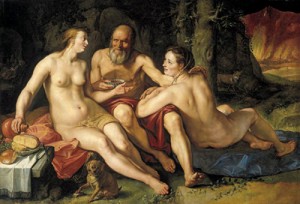
Hendrick Goltzius
Lot and his Daughters, 1616
Rijksmuseum, Amsterdam
In my opinion, the creepiest depiction of Lot and his Daughters is by Hendrick Goltzius. No one went further out of their way to maximize the creepiness of this story. Goltzius imagines Lot as Bacchus, the host of a drunken orgy! What was wrong with this guy? Maybe he was hoping that his presumably male audience would be blissfully ignorant of this somewhat obscure biblical story and be able to focus on what’s important here, the ever popular myth that men tell themselves: chicks dig old men. I can’t stomach this painting for more than a moment, but if I could, I would applaud Goltzius for his truly gorgeous composition, and the masterful way that he twists this theme in to an opportunity to depict both the front and back of a female nude. Well done, creepy talented painter, well done.
Lot was saved from the destruction of Sodom and Gomorrah for this? It’s hard to find a palatable moral in this story, but consider this: the sons of Noah and the daughters of Lot have three factors in common. They were singled-out to be saved from destruction, they made an effort to preserve the dignity of their father, and at least some of their descendants were rewarded by God’s favoritism.
After ‘the incident’, Lot’s eldest daughter gave birth to a son named Moab who became the father of the Moabites. Many, many generations later, we come to the Book of Ruth, which is story about a Moabite woman who married a man from Bethlehem, and remained loyal to his family after his death. Ruth becomes the mother of Obed, who was the father of Jesse, who was the father of King David, who was an ancestor of Jesus Christ.
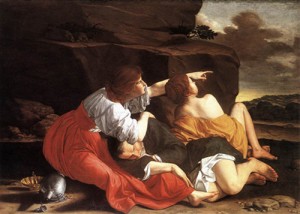
Orazio Gentileschi
Lot and His Daughters, 1621-22
J. Paul Getty Museum, Los Angeles
This painting by Orazio Gentileschi (right) is one of the only paintings of Lot and his Daughters that I know where Lot doesn’t look like the host of a naked picnic. Gentileschi was one of the shining stars of the Baroque era, and he managed to craft a compelling scene without taking liberties with the story. He shows a little skin, but nothing like Goltzius, and he hints at the context by showing an empty wine jug, and a burning city in the distance.
I feel like a creep for even mentioning this, but Orazio Gentileschi often used his own daughter as a model in his paintings. If the model for Lot’s daughter was Orazio’s own daughter Artemisia, then this painting might actually be the creepiest one of them all.
Personally, I think this story is plenty creepy all on it’s own, especially if you read the rest of Genesis 19, and it is beyond my understanding why the following painters went out of their way to make this scene so much more creepy than it already is on it’s own:
Hendrick Goltzius
Lot and his Daughters, 1616
Rijksmuseum, Amsterdam
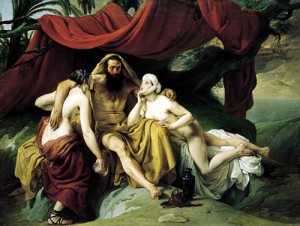
Francesco Hayez
Lot and his Daughters, 1833
Private Collection, Britain
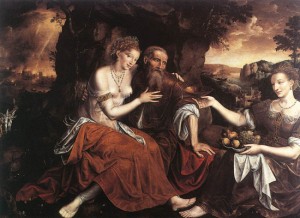
Jan Massys
Lot and His Daughters, 1565
Musées Royaux des Beaux-Arts, Brussels
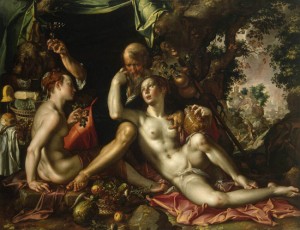
Joachim Wtewael
Lot and his Daughters, c. 1600
The Hermitage, St. Petersburg
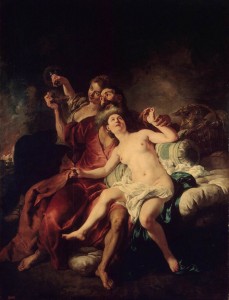
Jean-François de Troy
Lot with his Daughters, 1721
The Hermitage, St. Petersburg
Stay tuned for next month’s article on Abraham’s efforts to ensure domestic tranquility by kicking his first son’s mother to the curb.
~ § ~ § ~ § ~
Previous article: Cain and Abel | Next article: Abraham and Hagar
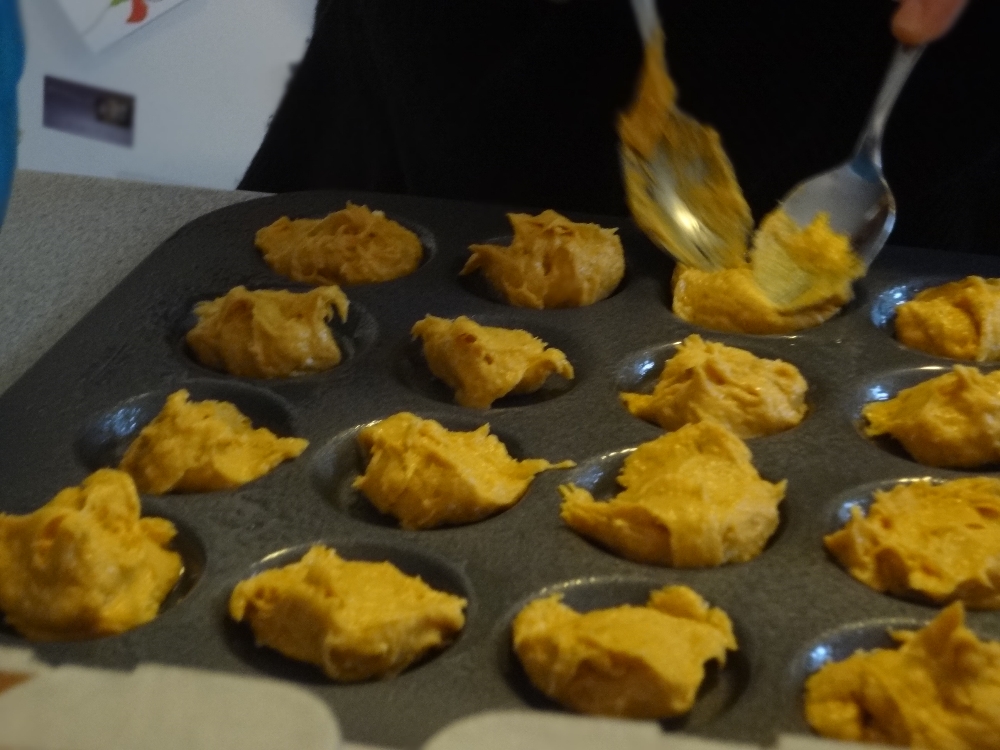
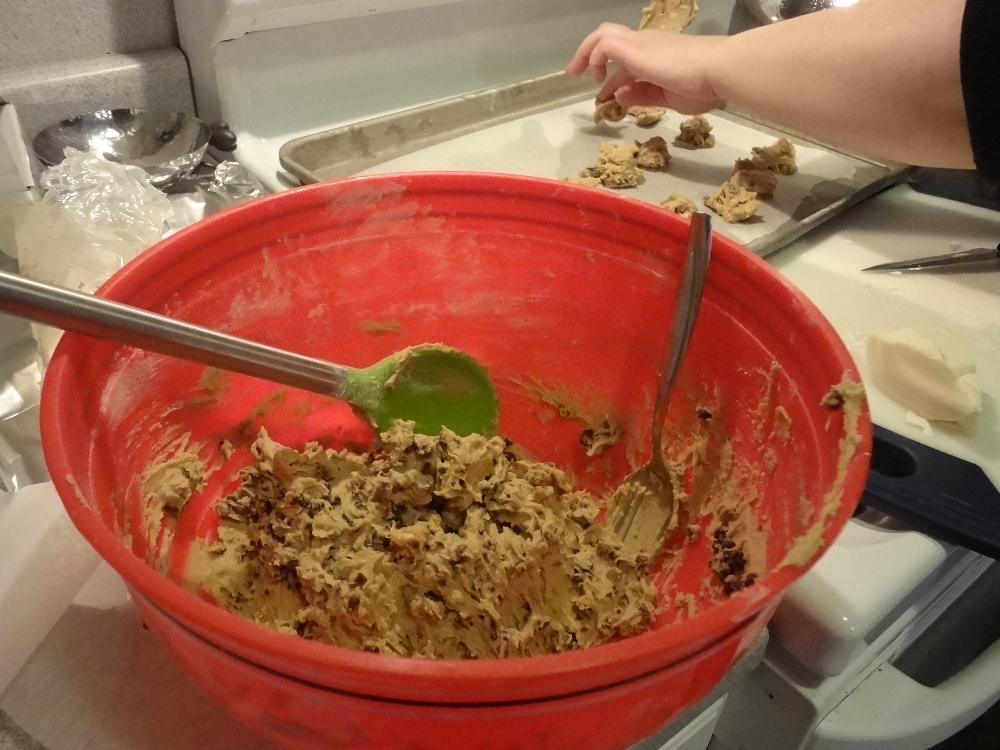
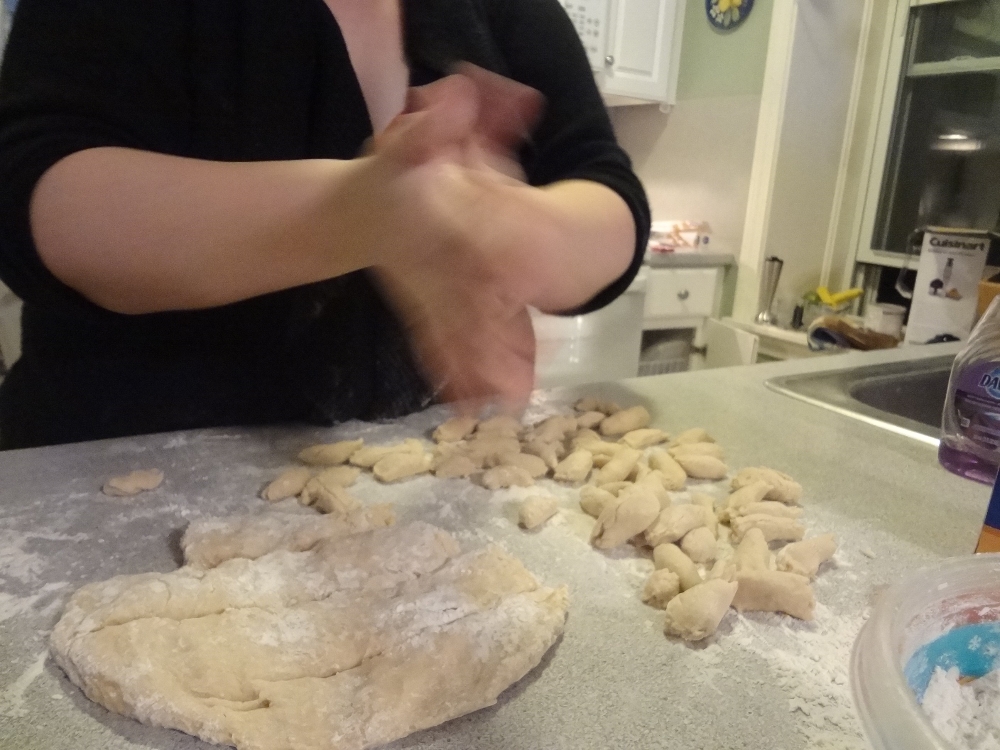
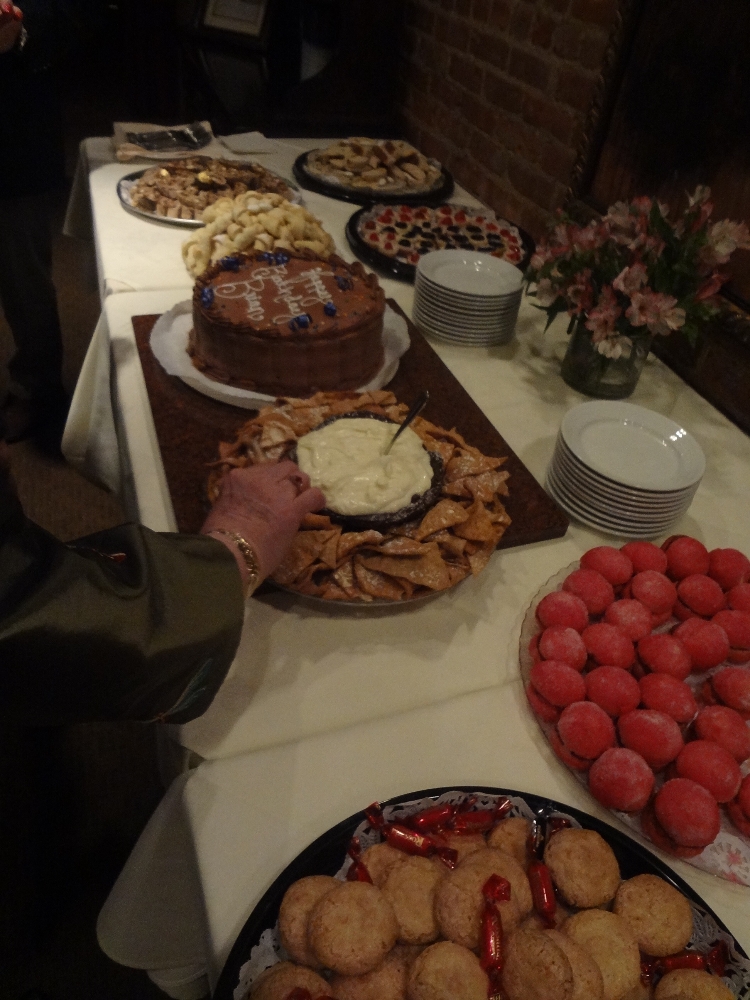
Melissa decided that she wanted to bake, and we there is no better excuse than that to throw a party! Mel spent the afternoon in our kitchen making the house smell amazing, and then a lot of wonderful people came over to eat!






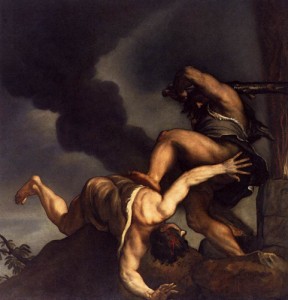
Titian
Cain and Abel, 1542-44
Santa Maria della Salute, Venice
Please click here for a full list of articles in this series.
This is the second in a series of posts about Stories in Art. The first one was about Adam and Eve, and of course, after that comes the story of Cain and Abel (Genesis 4). The story of Cain and Abel is incredibly short and incredibly fascinating, but paintings of Cain and Abel are actually kind of boring. Stories about women in the hands of male painters are way more interesting, but we need to get through two important stories before we can get back to the interesting paintings. This is a short post about brothers: the sons of Adam and the sons of Noah.
Cain and Abel were brothers. God favored Abel, so Cain killed Abel. I know very little about the very complicated relationships between brothers so I won’t say anything here about competition, favoritism, jealousy or the inability of primitive men to express their emotions and deal with their feelings non-violently. Nope, I won’t say anything here about that, but I will show you a painting of Cain killing Abel. By itself, this painting is really not that interesting, but Titian painted this for Venice’s Santa Maria della Salute, and he paired it with two other scenes of men raising their arms ready to strike. Click on this image, then click on ‘Other works at Santa Maria della Salute’ to see this painting paired with David poised to strike Goliath and Abraham poised to sacrifice Isaac.
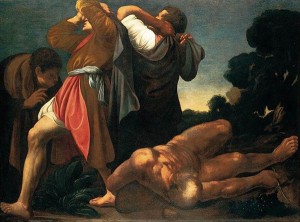
Carlo Saraceni
Drunkenness of Noah
Private collection
The Book of Genesis is full of stories that make us wish we could ask the authors a few follow-up questions and The Drunkenness of Noah (Genesis 9:20) is certainly one of them. We all know Noah’s story: God told Noah to build an ark, Noah and his family spent 40 days on a boat with two of every animal and then had to rebuild after the flood. The story is rich with vivid imagery, but some artists opted to focus on a strange but important scene that happens after all that. Noah built a vineyard, and he got so drunk that he took his clothes off. His son Ham saw this and told his brothers Shem and Japheth about it. Instead of doing nothing and talking about it like Ham had done, Shem and Japheth went to their father backwards so they couldn’t see him, and they covered him up. This painting by Saraceni does a wonderful job of contrasting Ham with his brothers. By depicting Shem and Japheth with their arms blocking their eyes, it calls attention to the important difference between how the brothers handled the situation.
These are very simple stories about right and wrong that illustrate what not to do. God punished both Cain and Ham harshly by sentencing them to hardships and favoring the descendants of their brothers. In doing so, God established the line of the chosen ones from among the brothers who didn’t do wrong. The descendants of Cain all died in the flood, and the descendants of Ham (the Canaanites) became slaves to the descendants of his brothers. Cain’s brother Seth became the ancestor of Noah, and Noah’s son Shem becomes the ancestor of Abraham, David and Jesus.
We’ll revisit the theme of brothers again when we get to Jacob. Until then, we have the incredibly creepy paintings of Lot and his daughters to look forward to.
~ § ~ § ~ § ~
Previous article: Adam and Eve | Next article: Lot and his Daughters
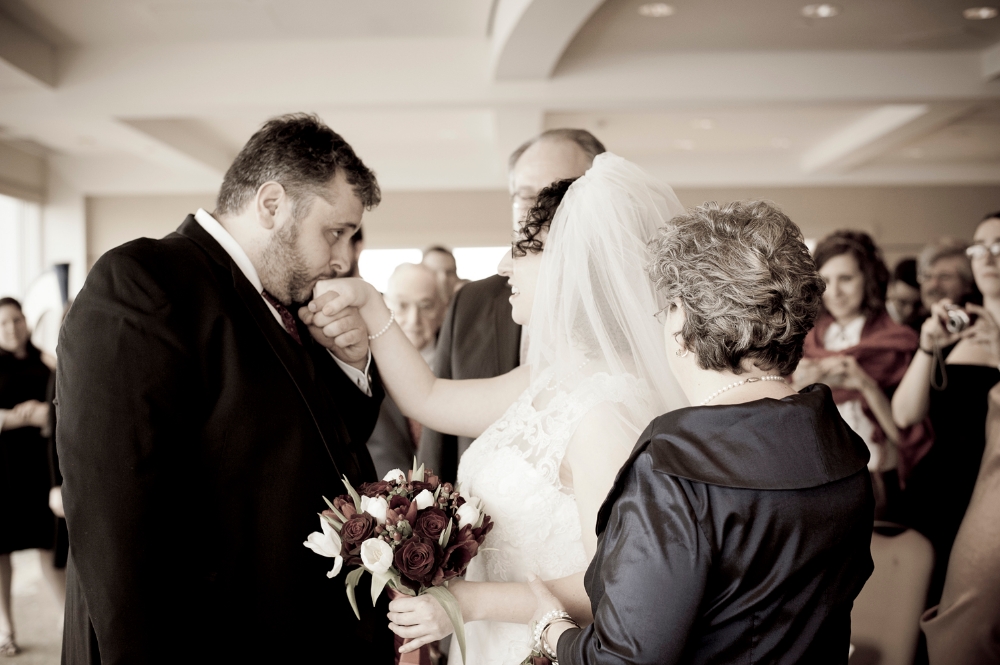
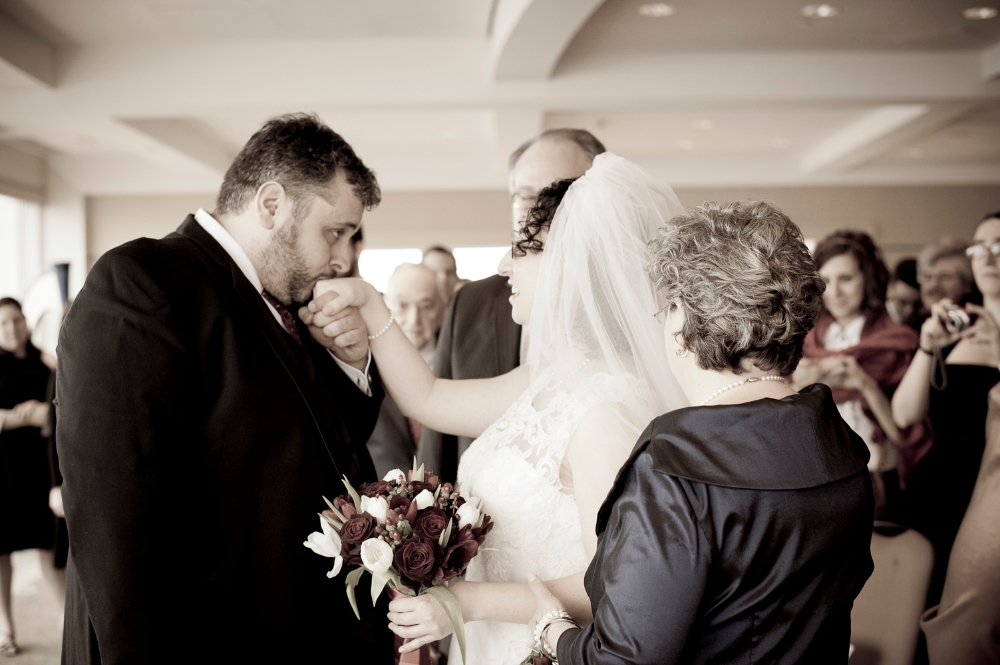
Photo by Maureen Cotton – www.maureencotton.com.
It will be hard to beat 2012. Our wedding in March was perfect, our honeymoon in October was incredible, and the rest of 2012 was filled with our wonderful friends and family, and lovely little adventures. We are truly fortunate.
I went through my photoblog entries and picked out a few of my favorites:


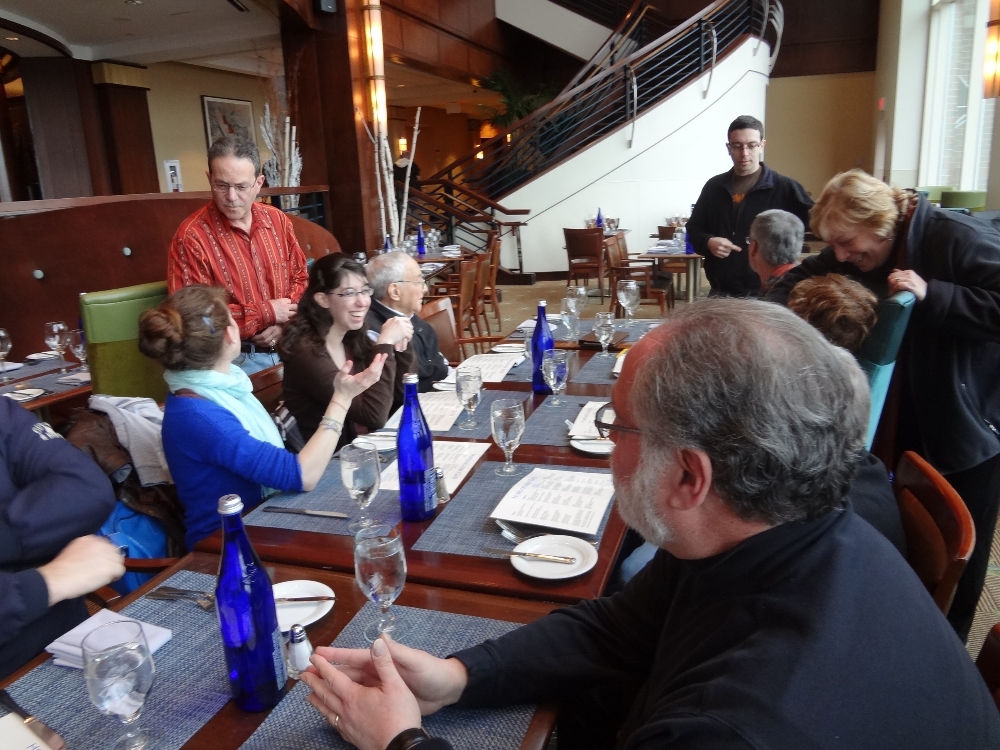




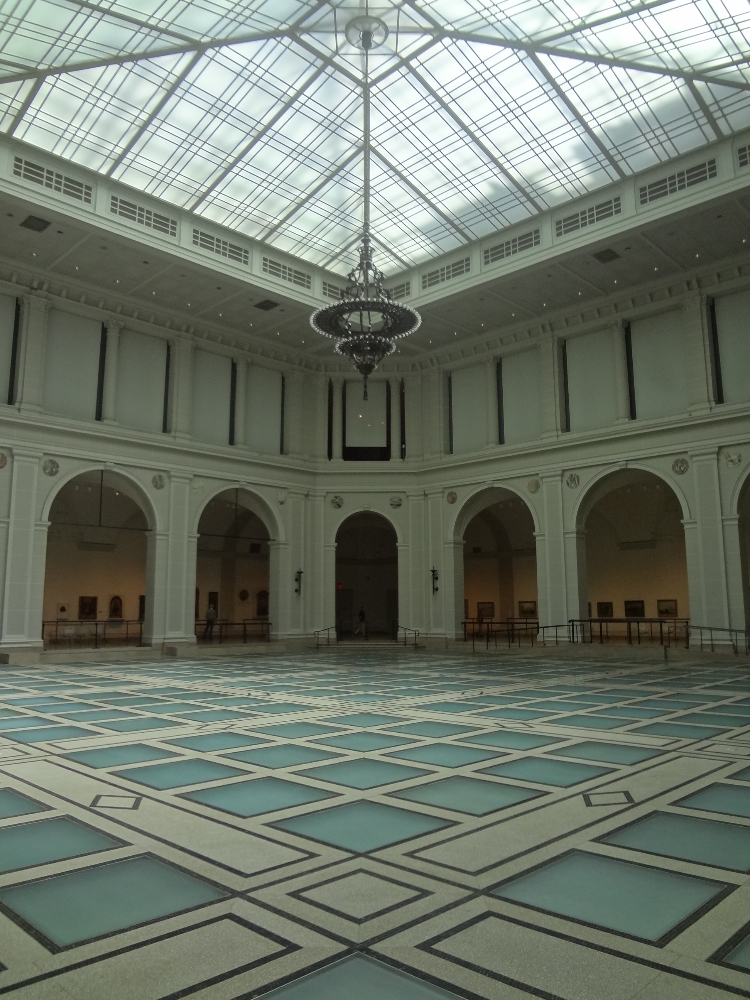









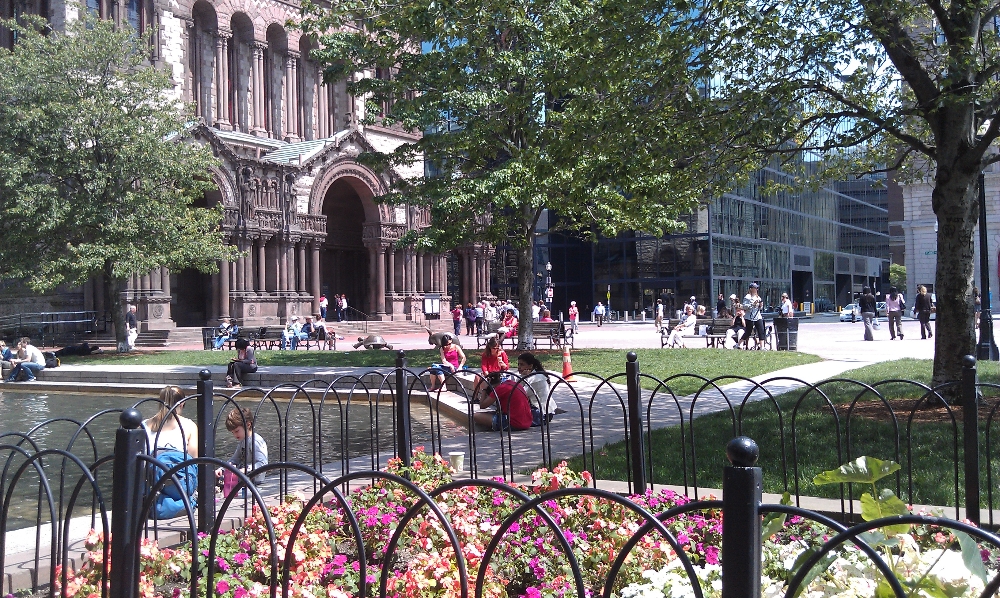













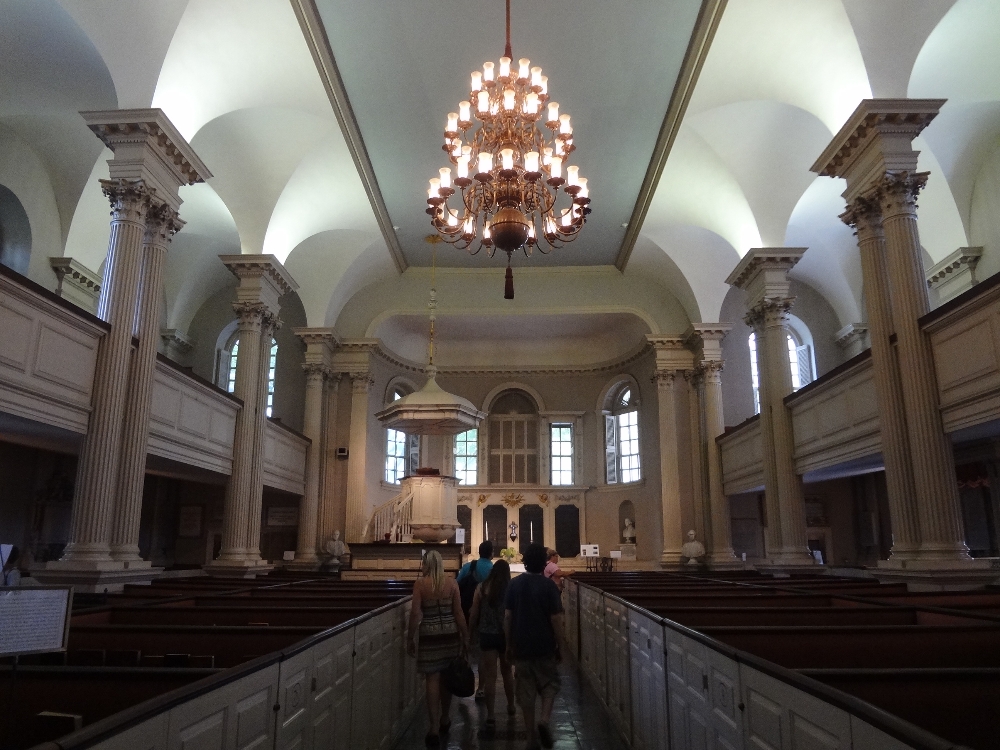



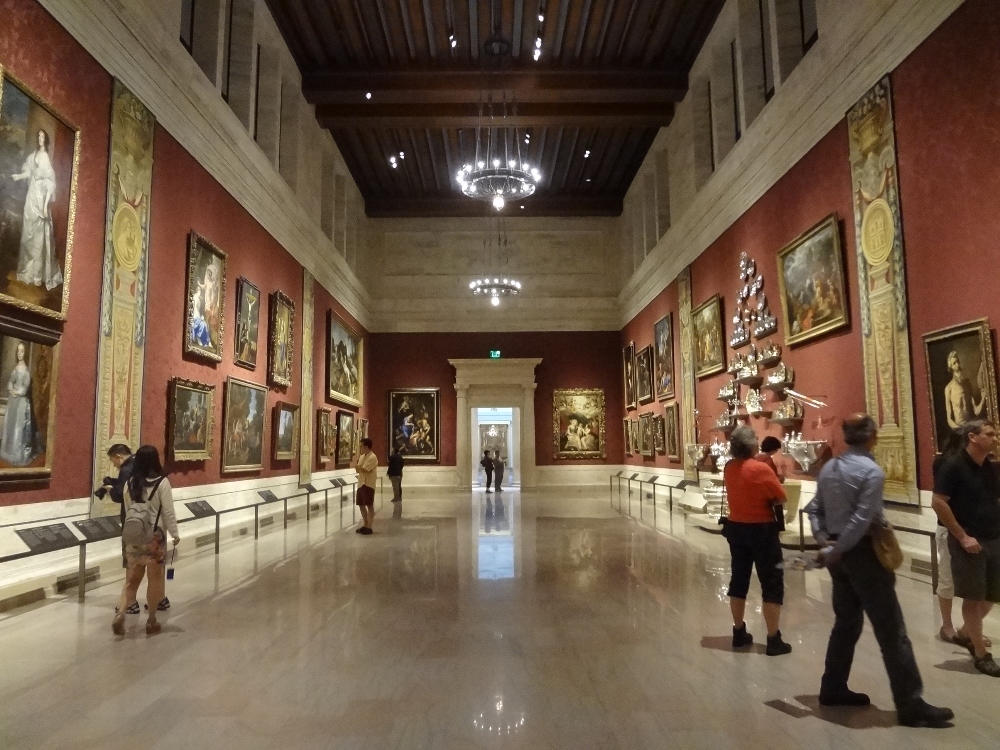





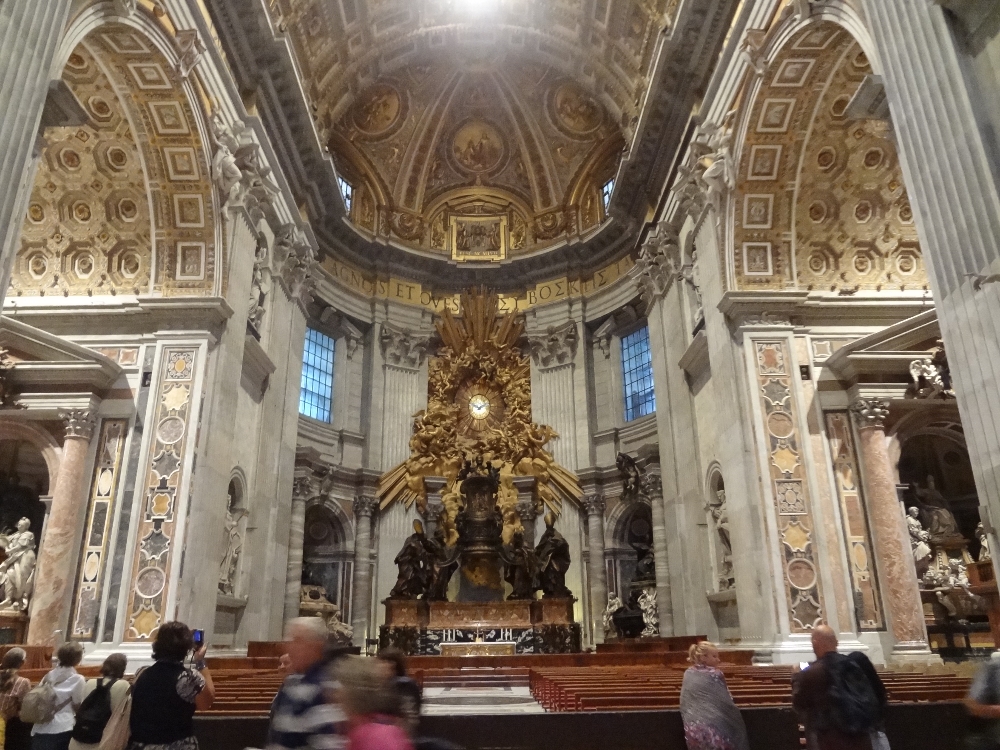
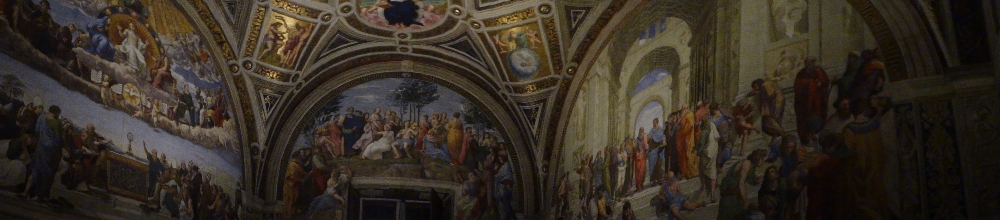
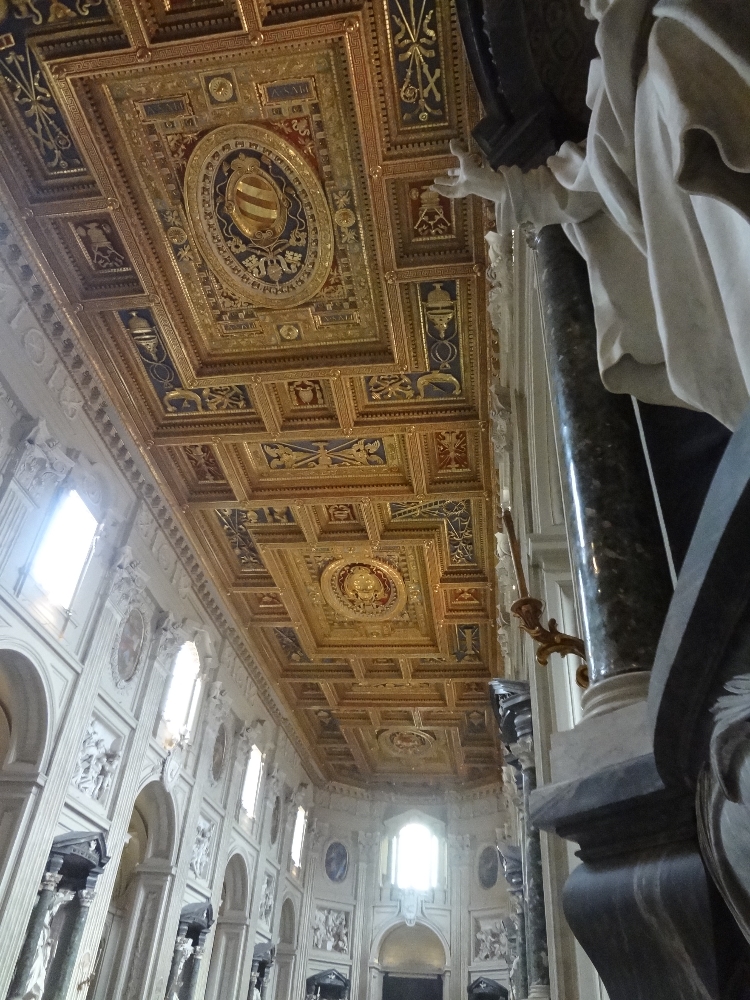
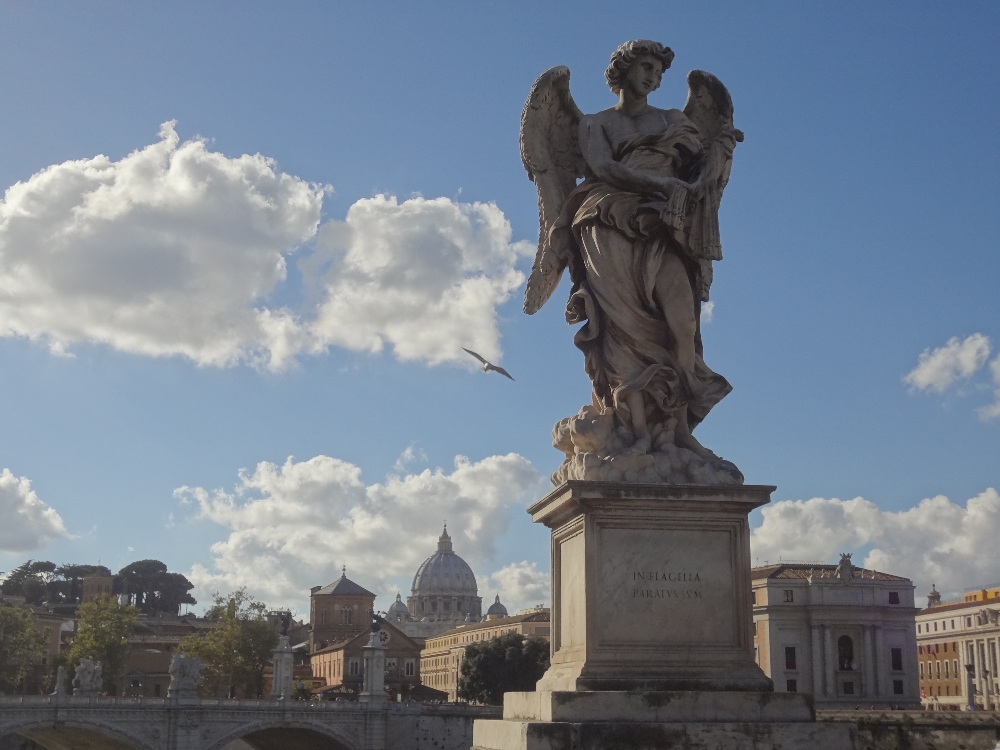
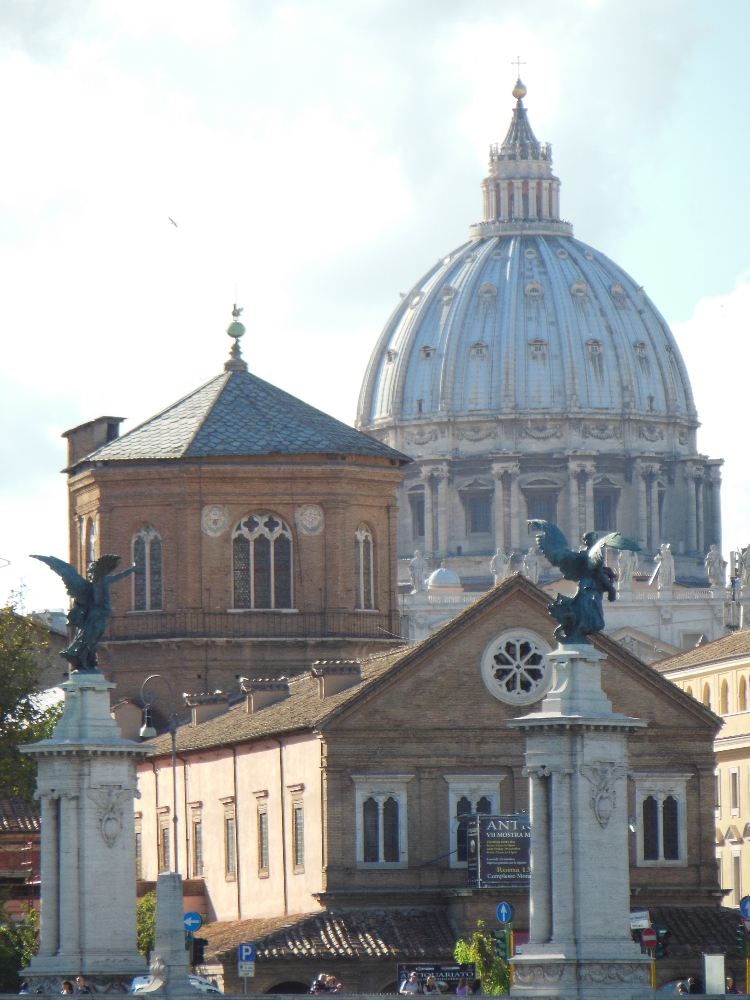
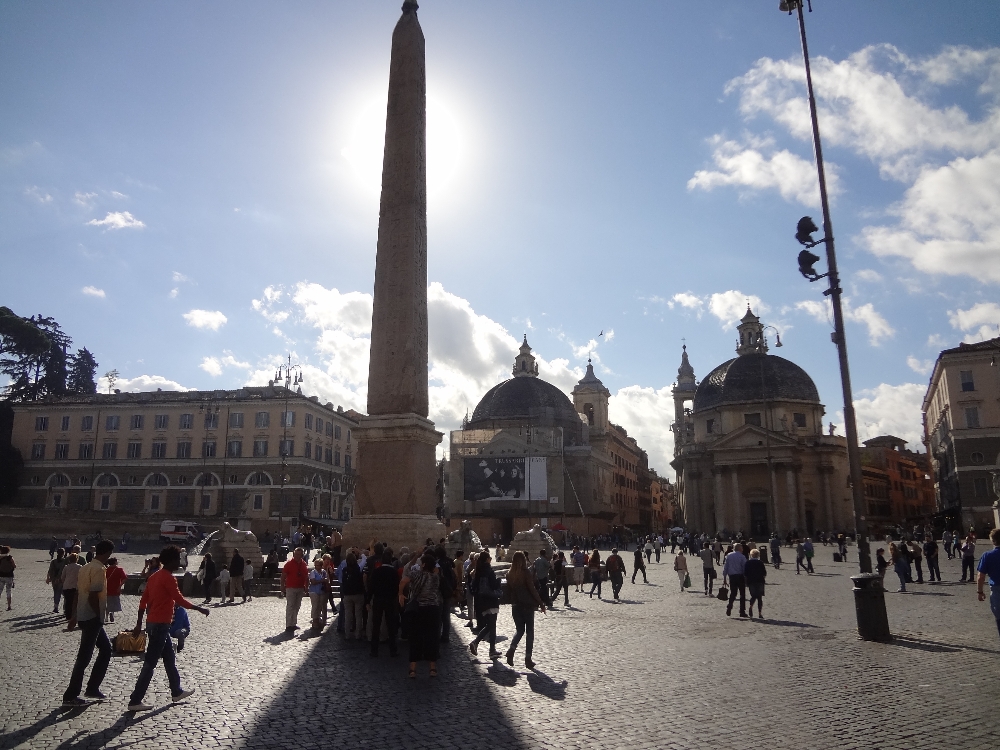
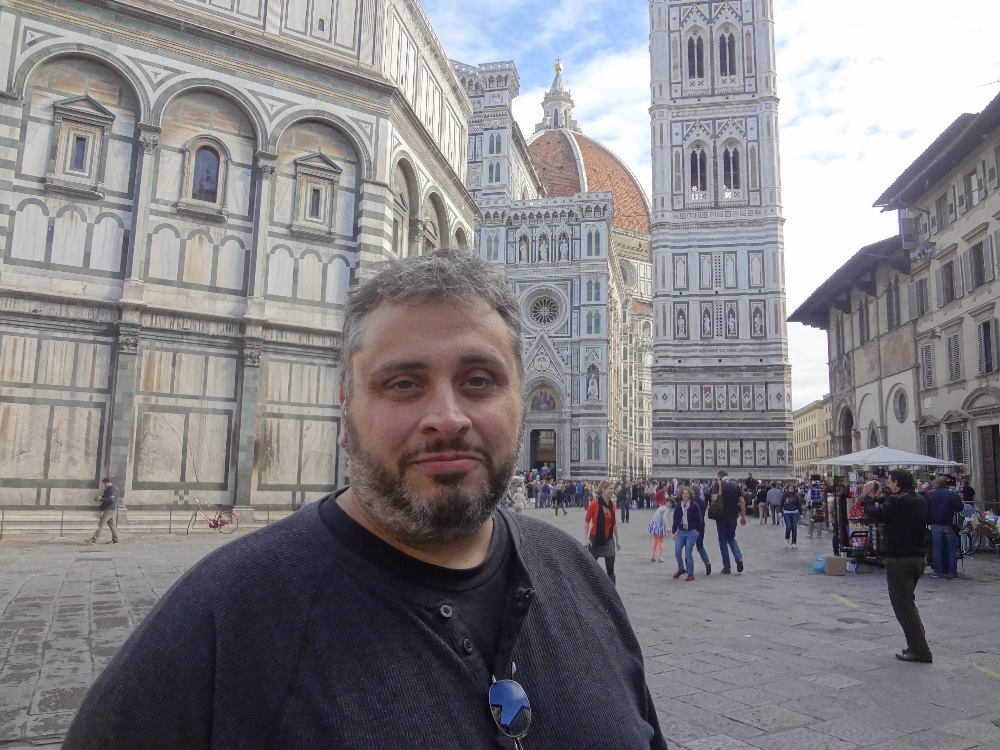

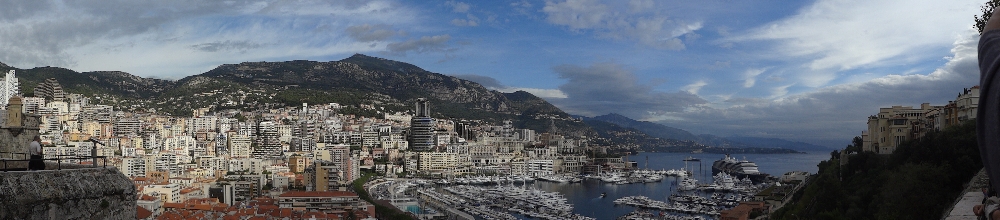
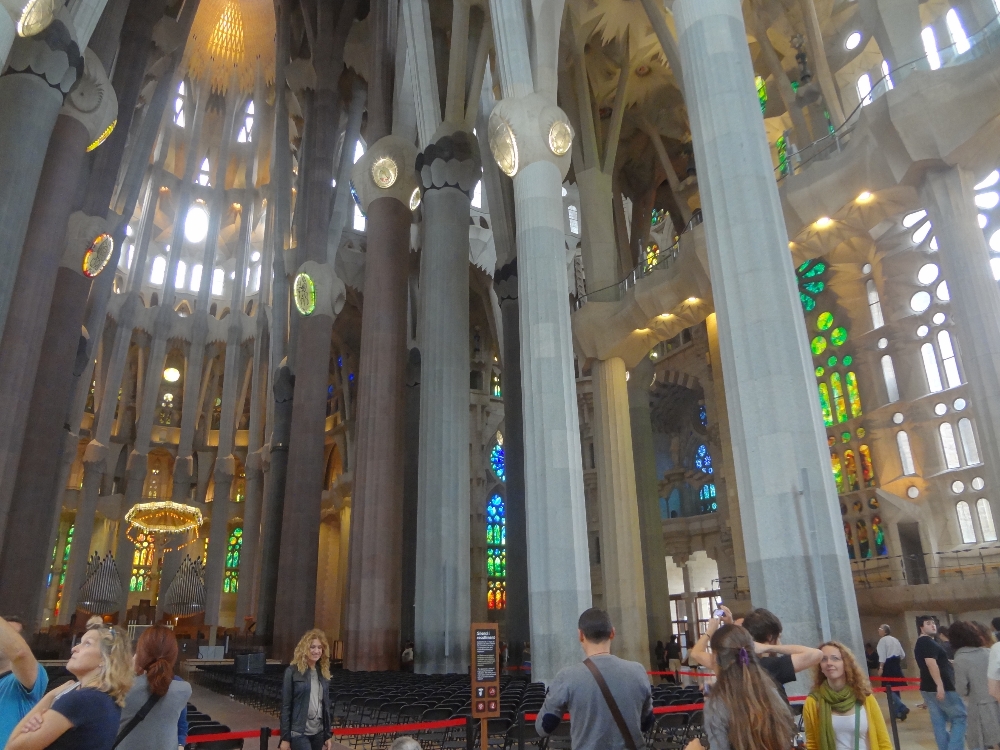
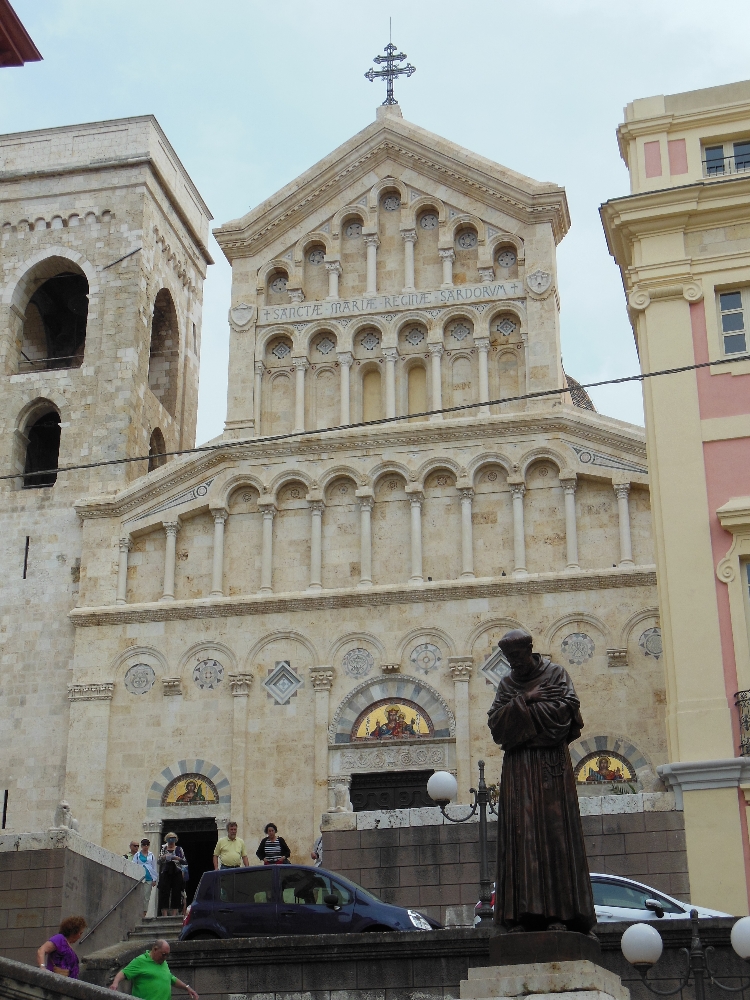


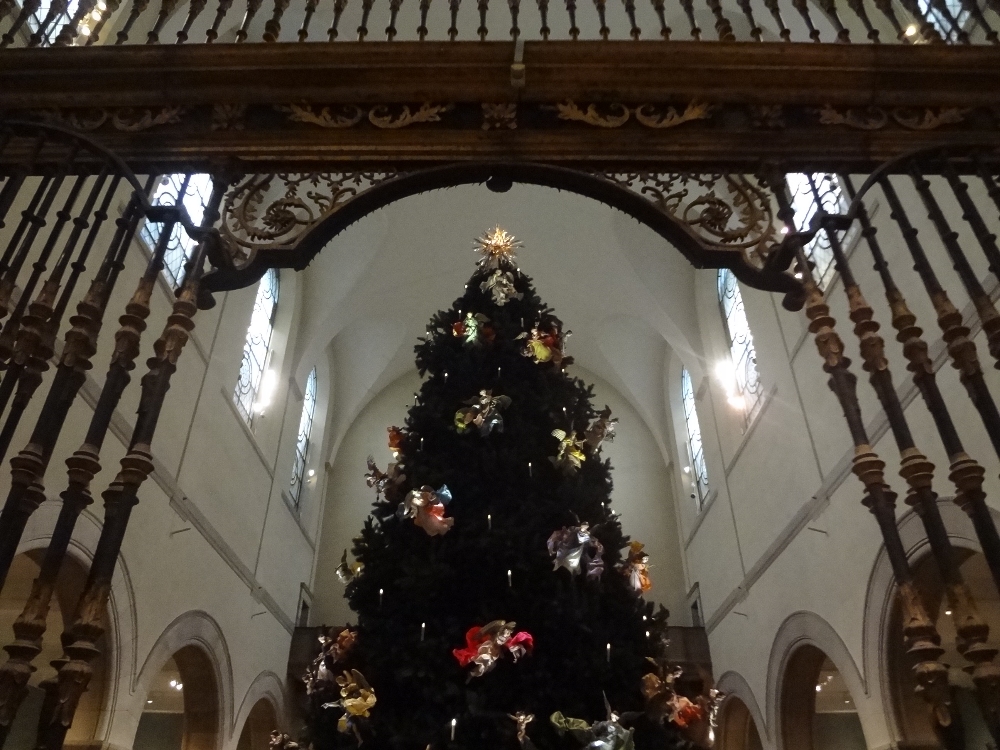
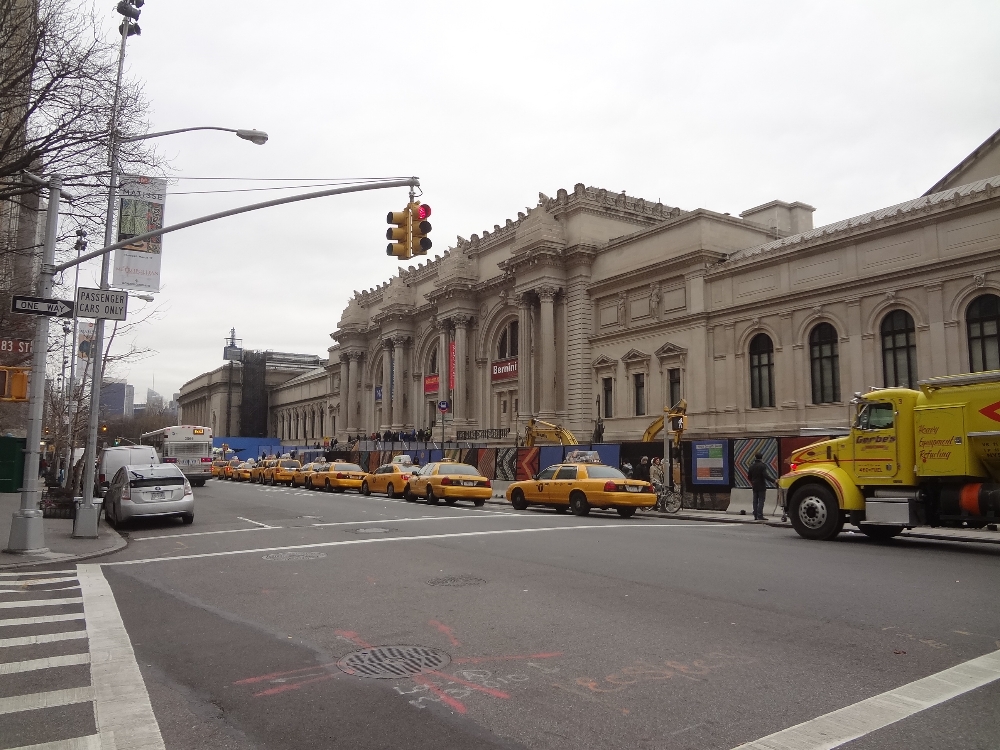
Five years ago, Brian and I spent the day after Christmas at the Met, and we did the exact same thing this year. Several hours of gallery after gallery after gallery – it was wonderful. It doesn’t need to be said that the Met has an incredibly spectacular collection, and I felt like every time I turned around or entered another room, I ran in to old friend. (Yes, I know I’m a nerd).
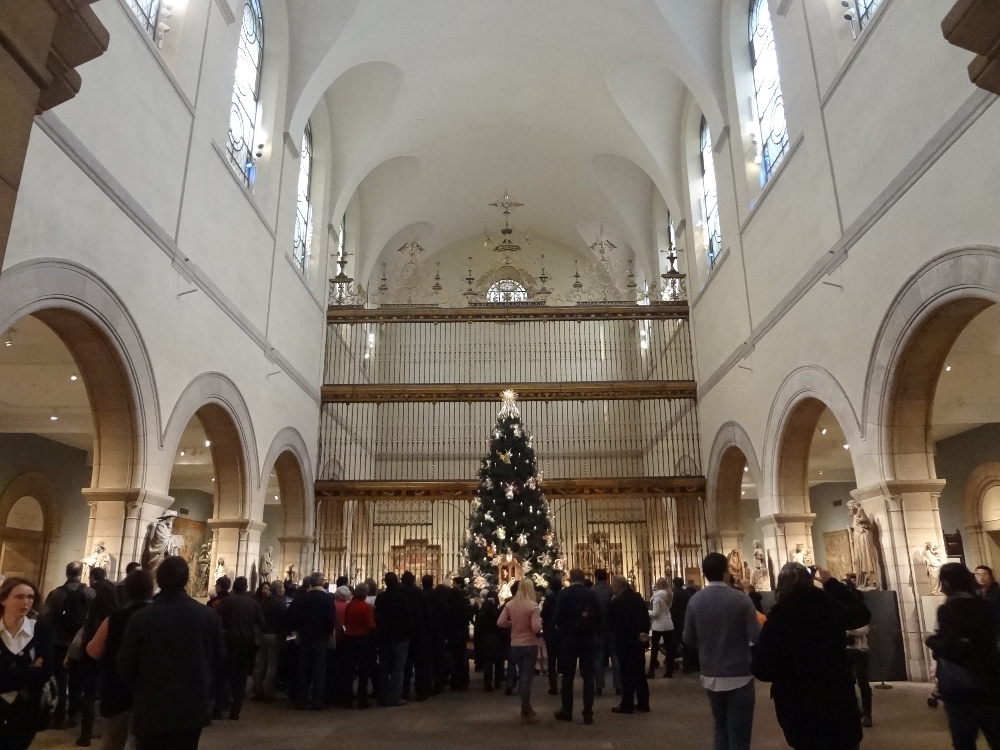
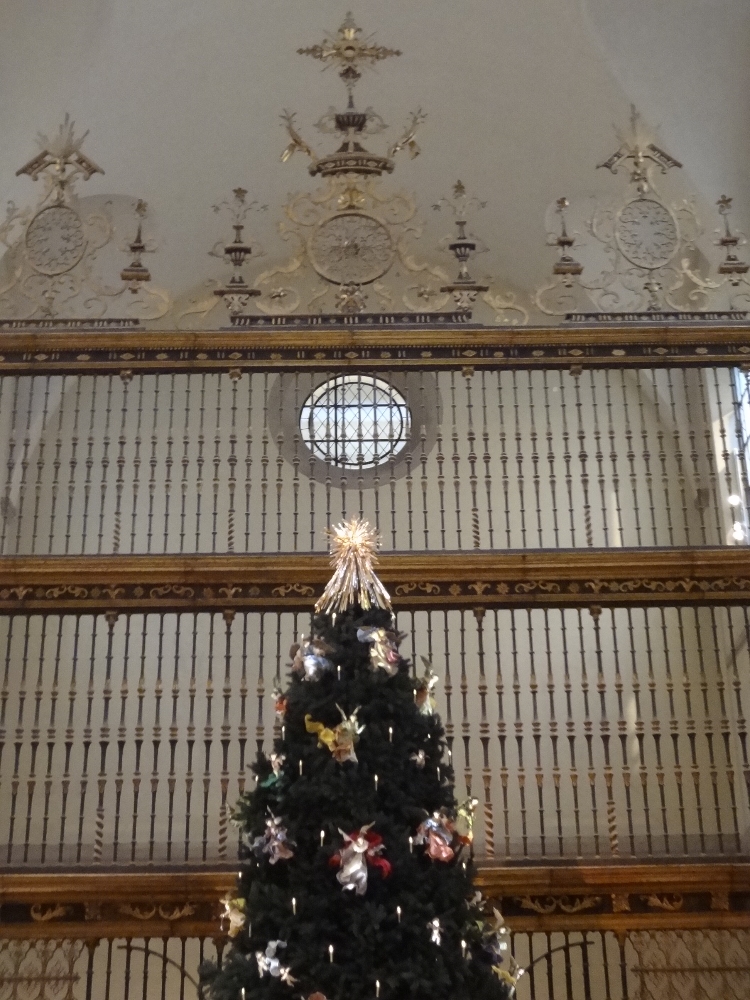
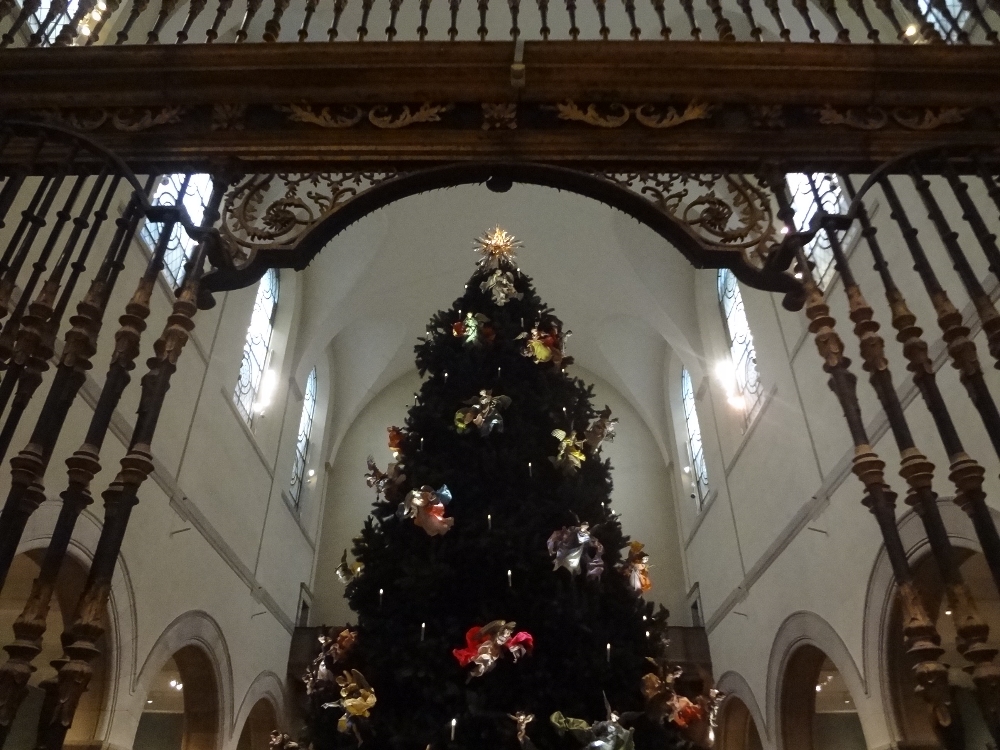
Every year, the Met has a spectacular Christmas display in one of the Medieval galleries and I always love seeing that. They were also showing an exhibit of Bernini’s clay sculptures. Bernini sculpted many of the famous monuments that we just saw in Rome two months ago, so it was pretty incredible to see his ‘sketches’.

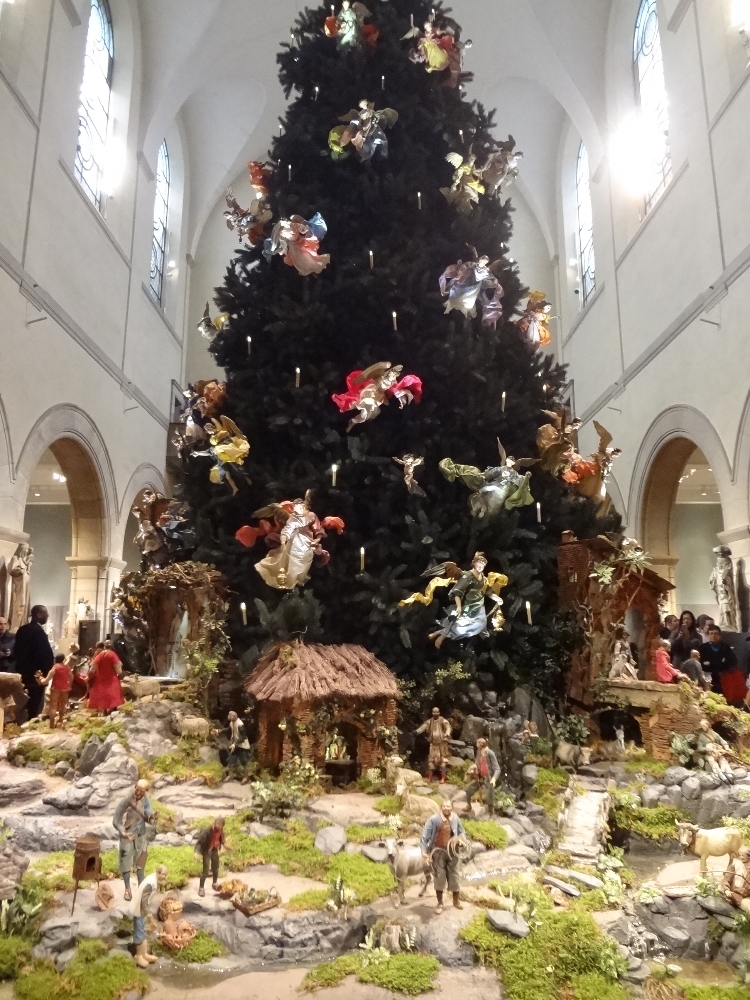
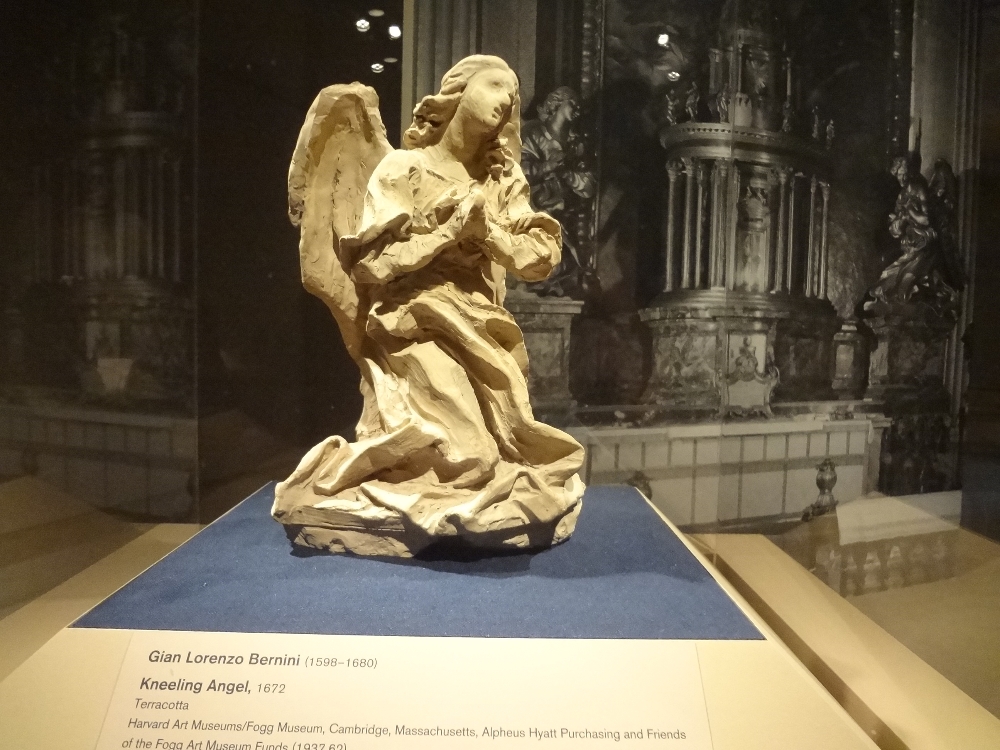
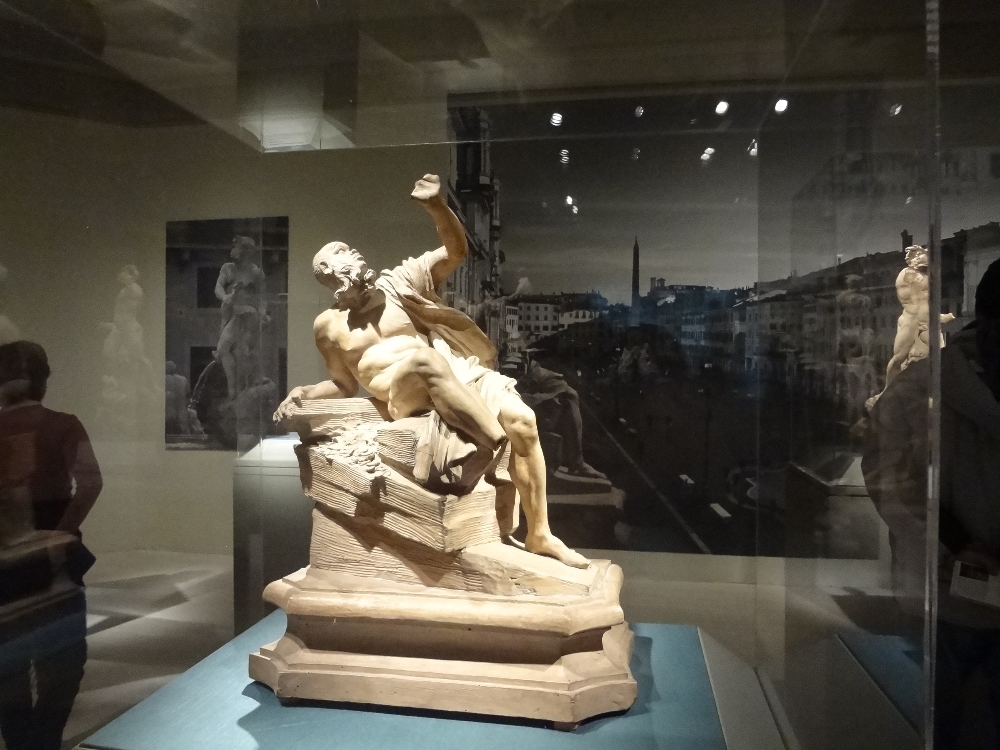
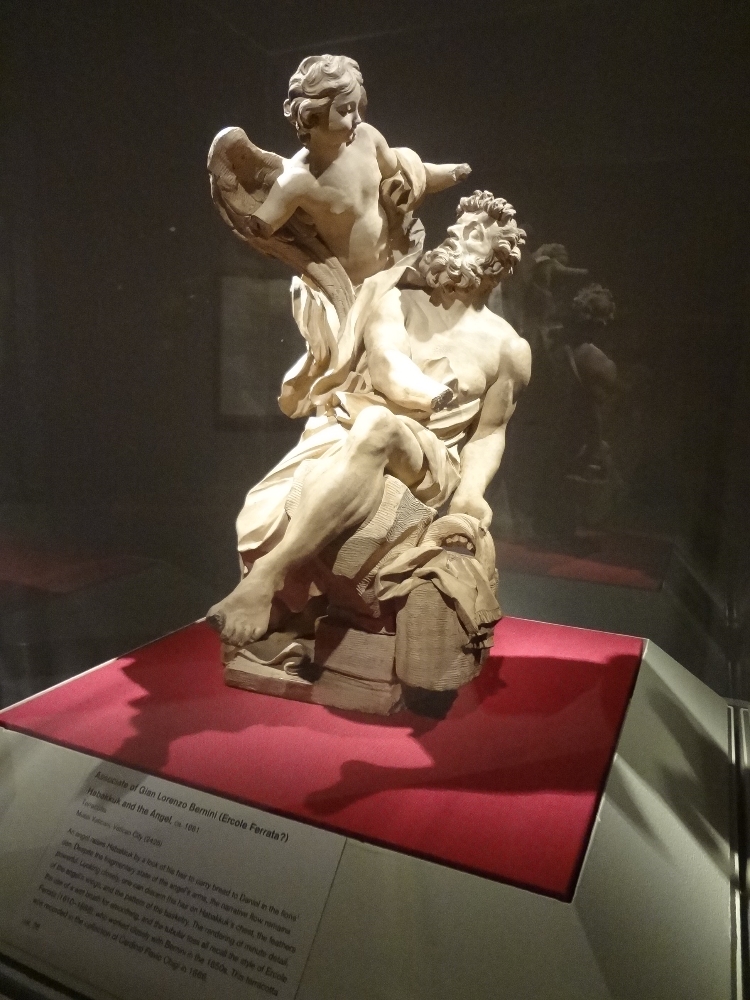
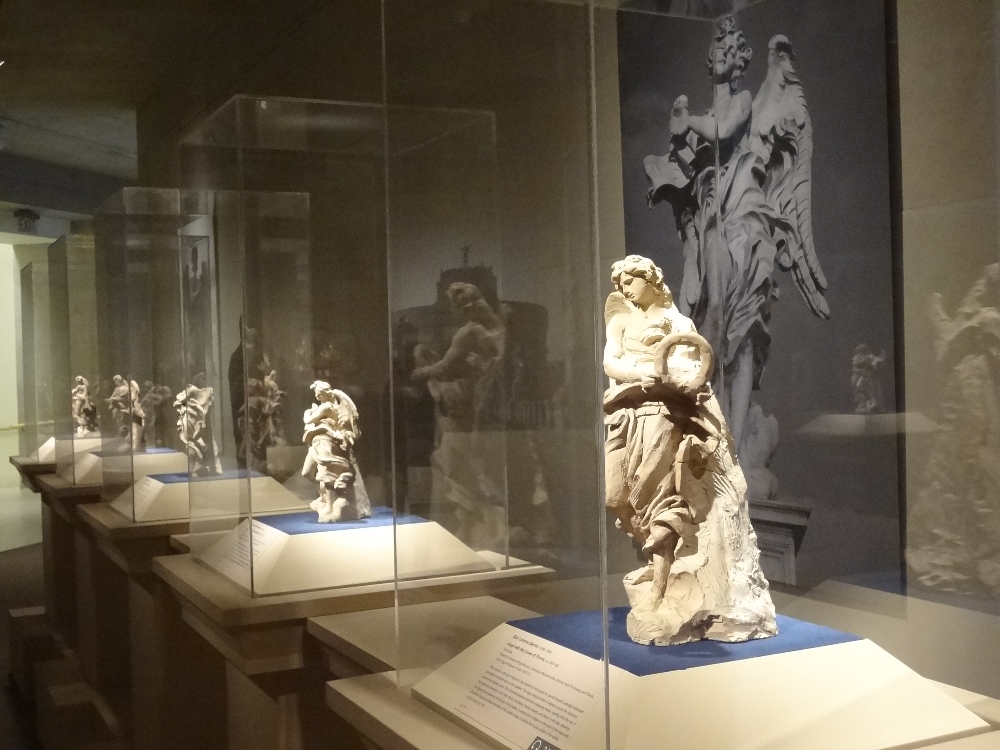
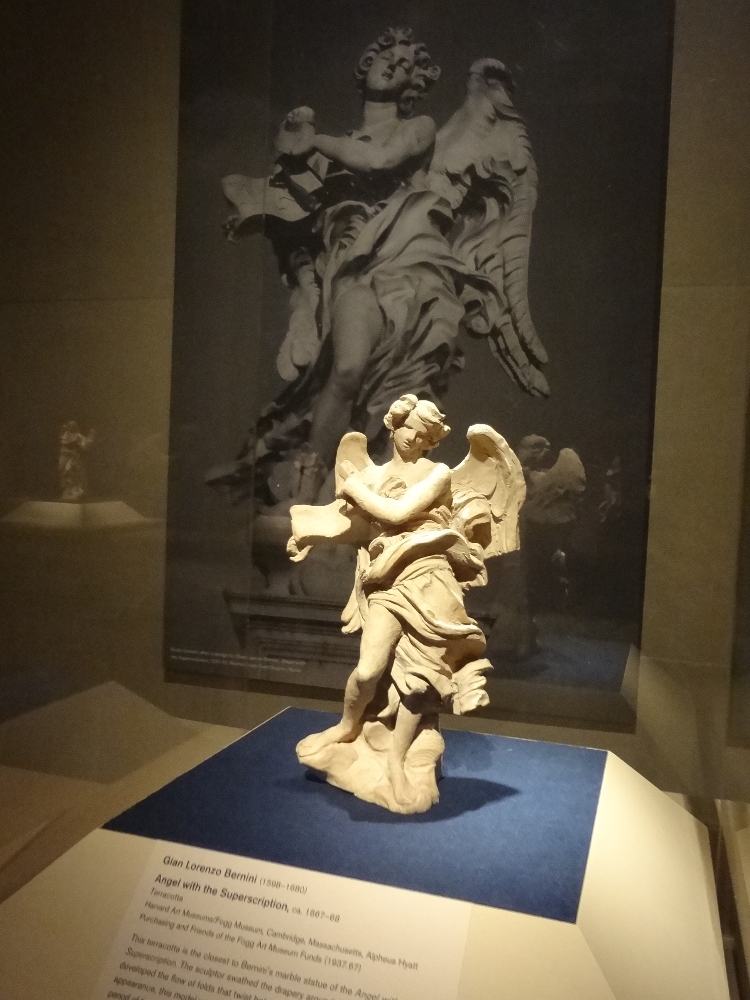
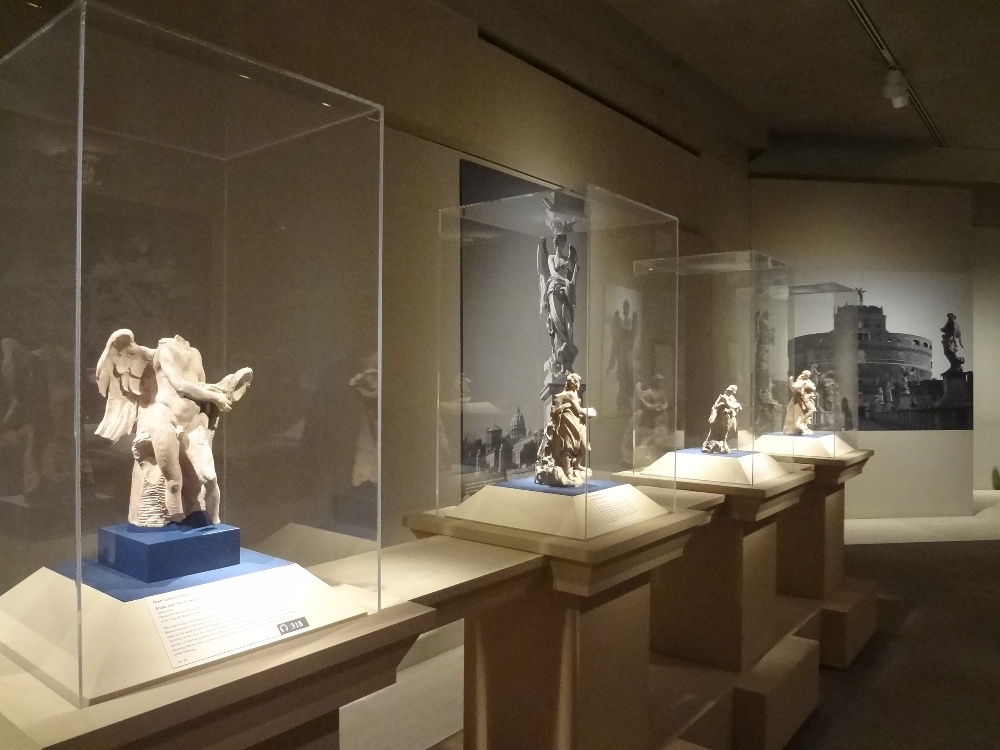
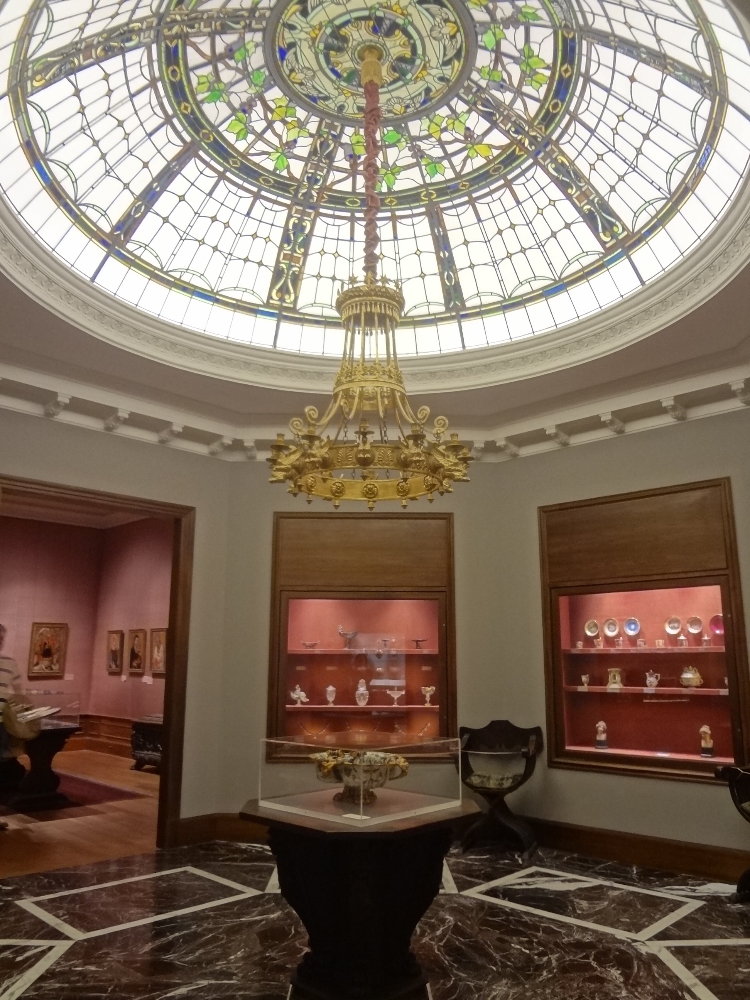
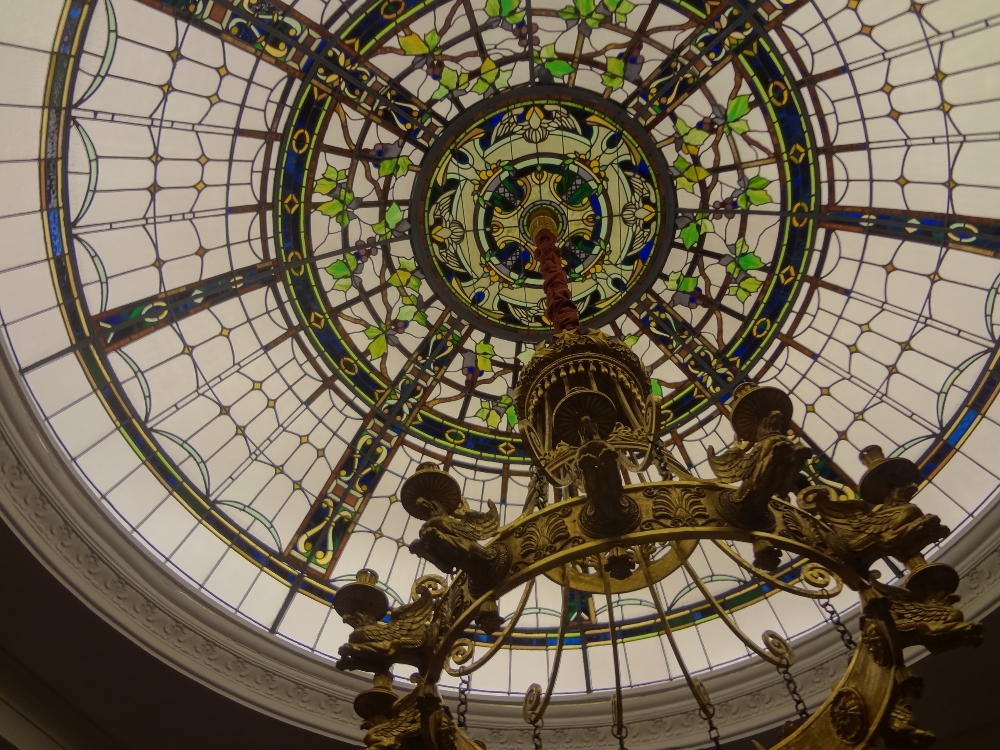
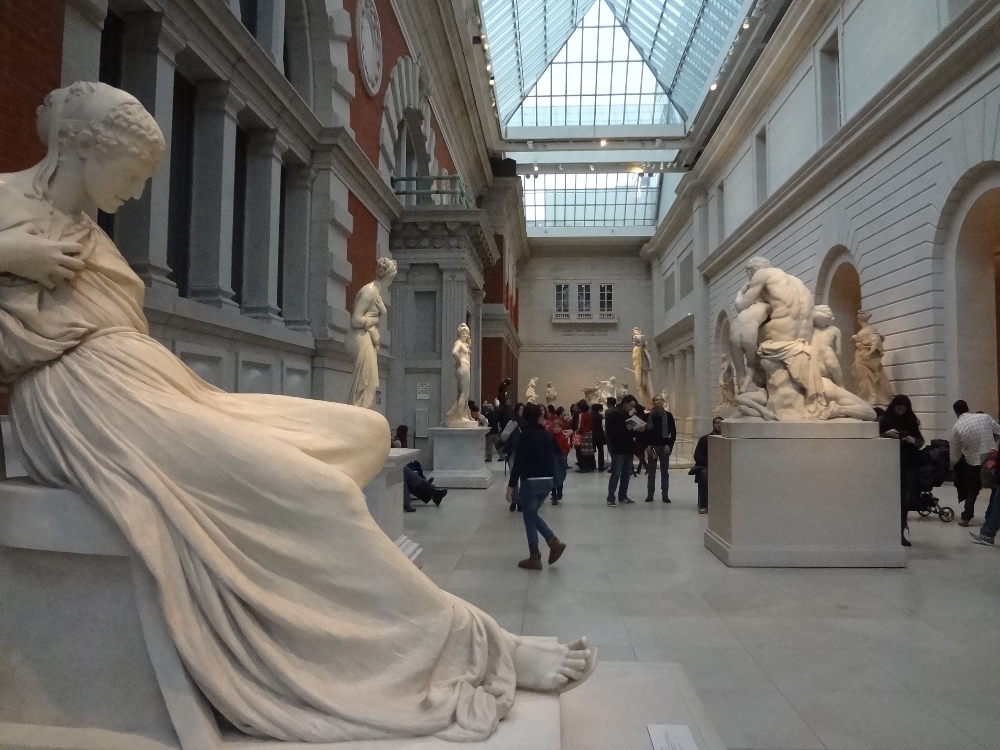
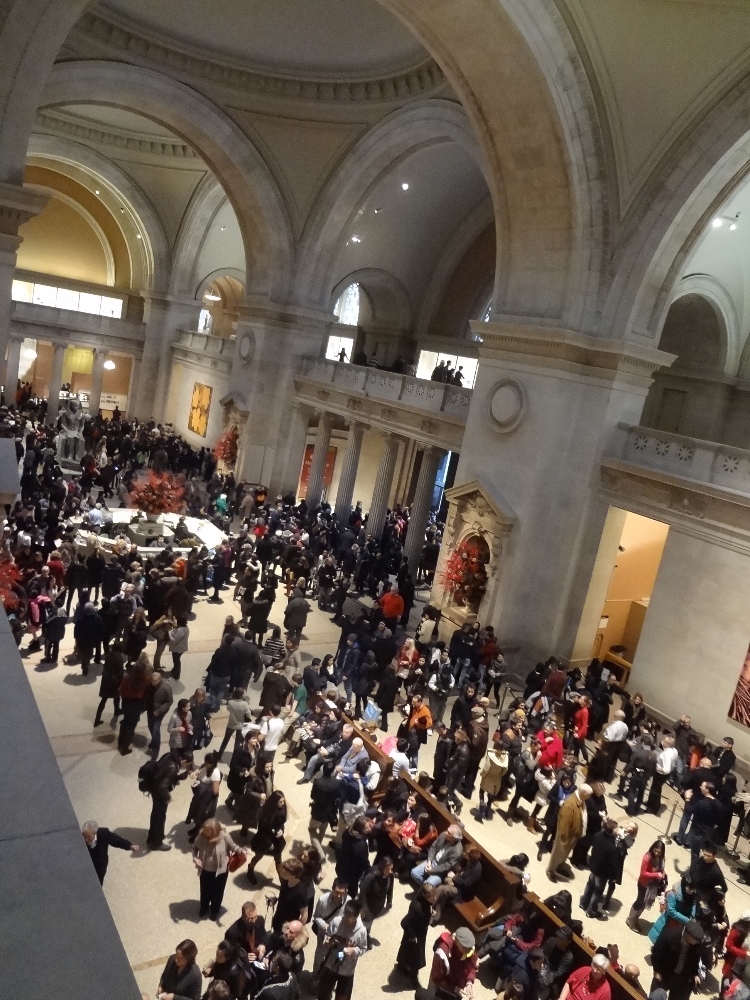
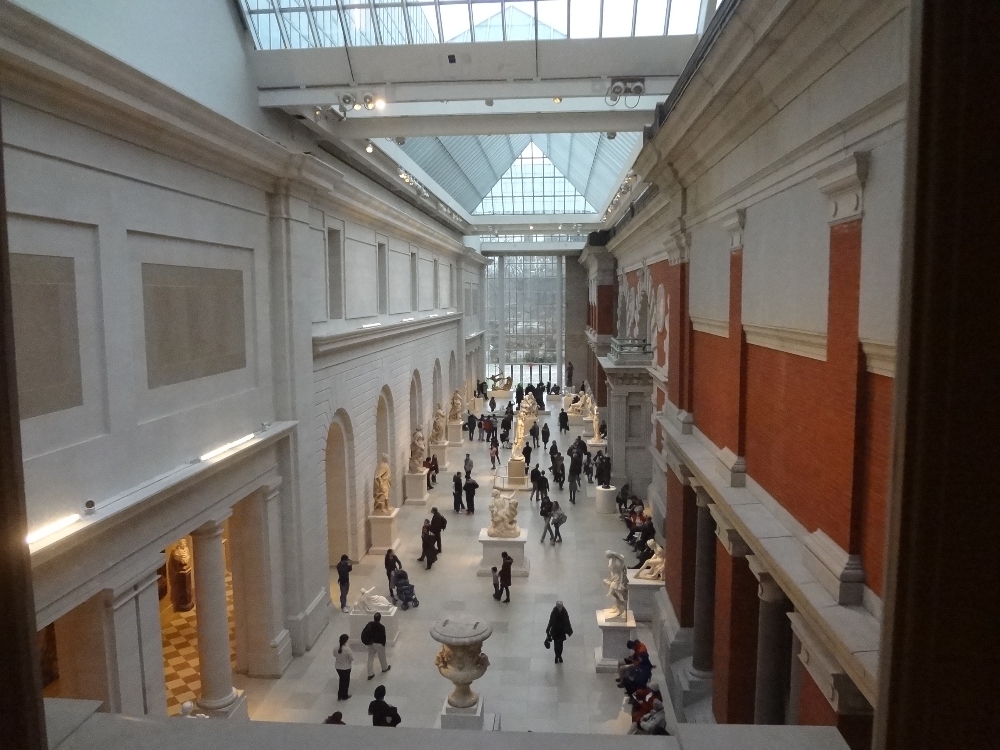
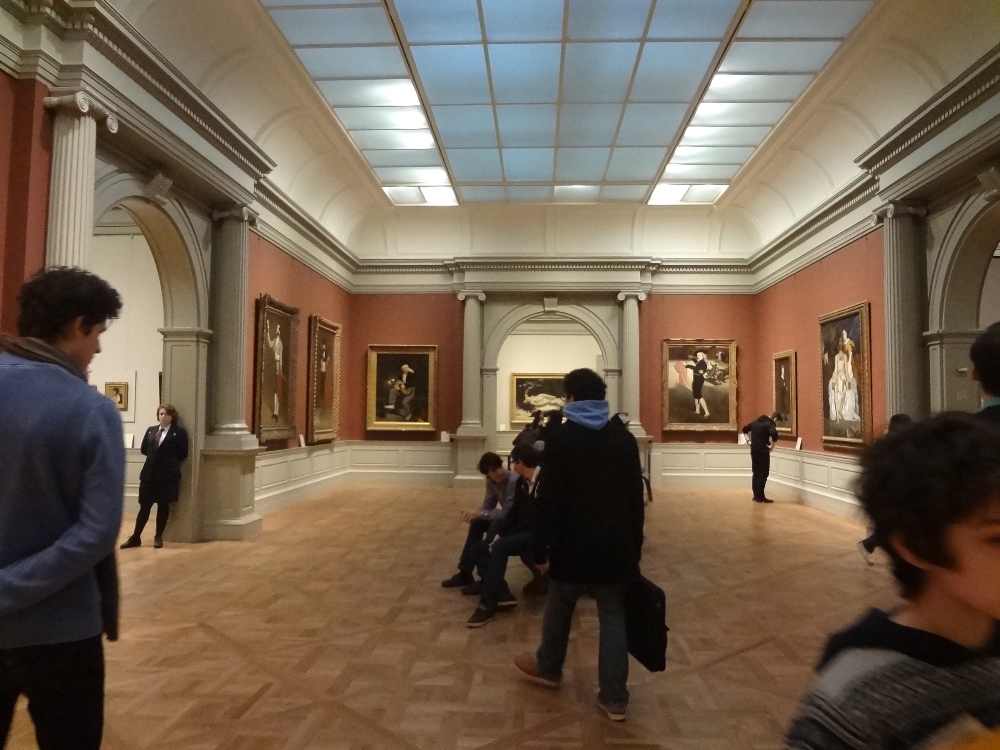
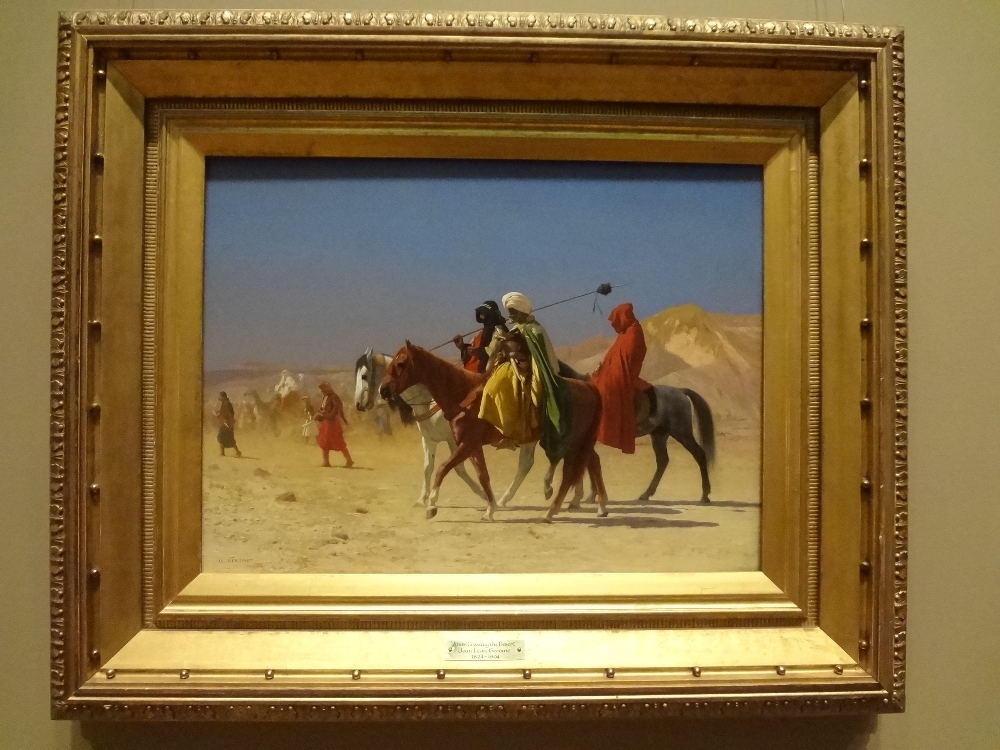
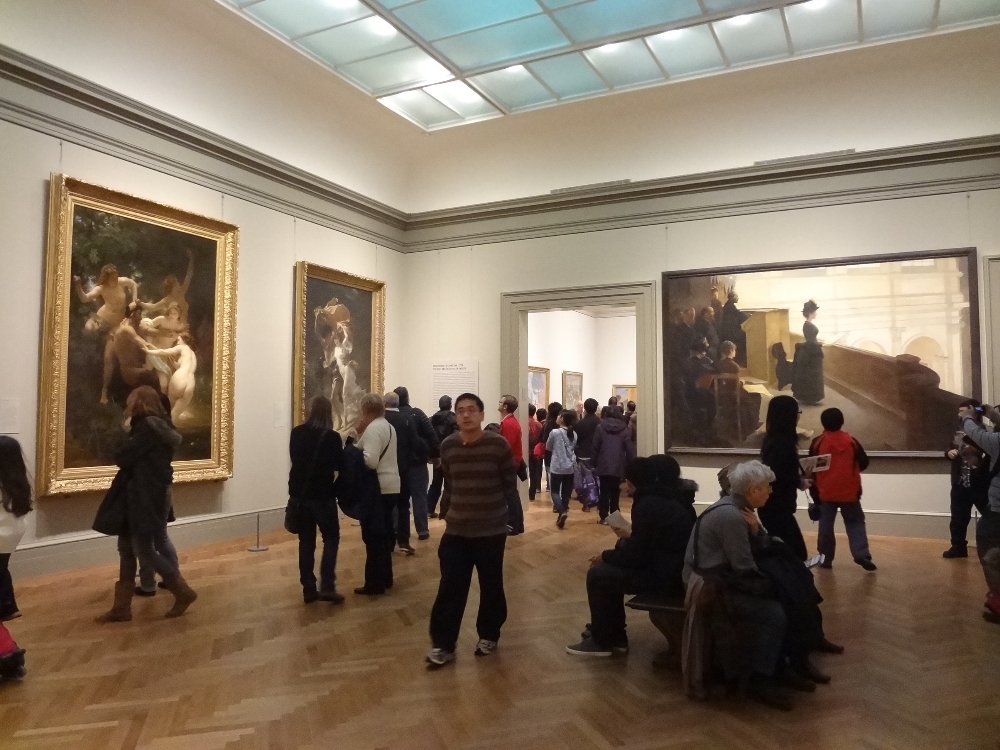
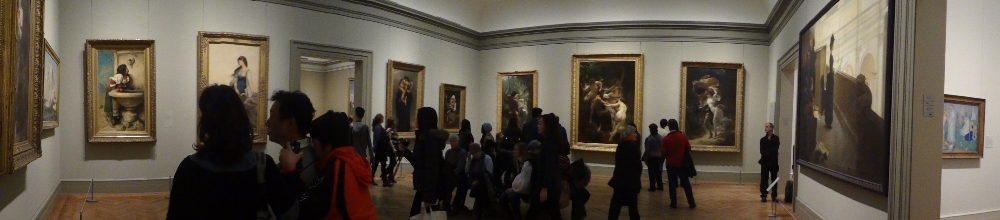
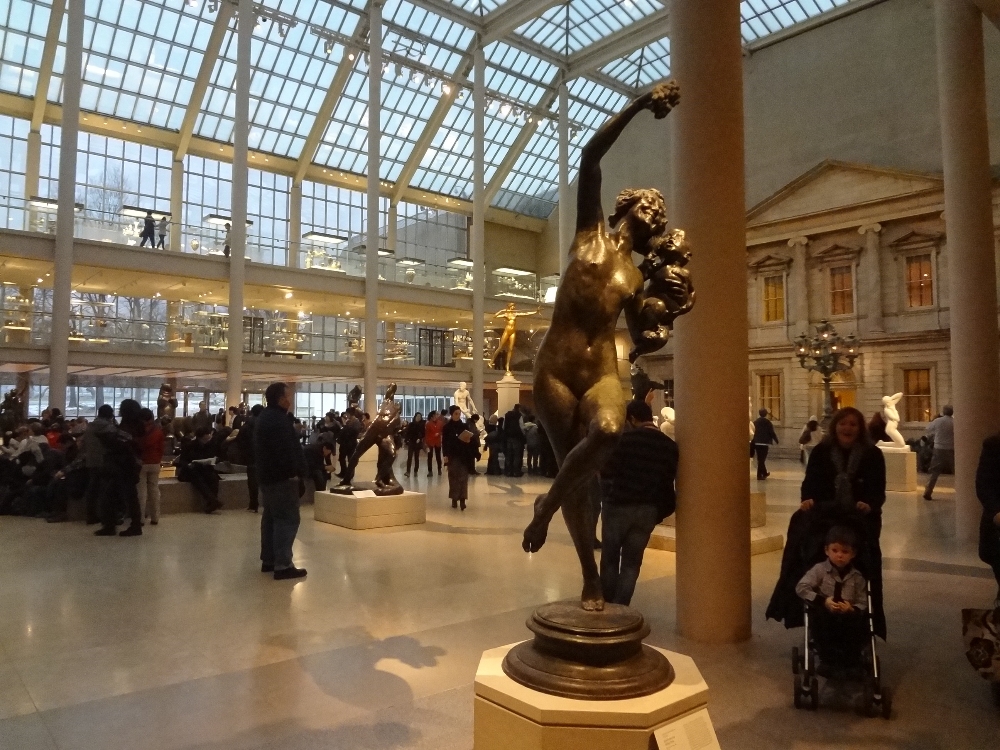
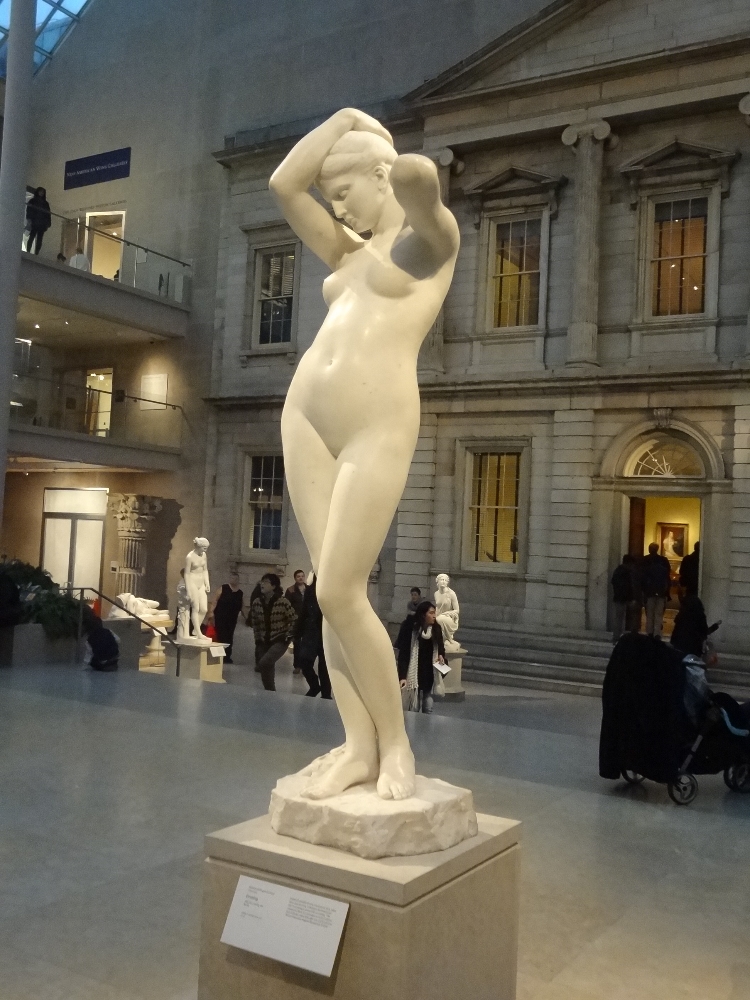
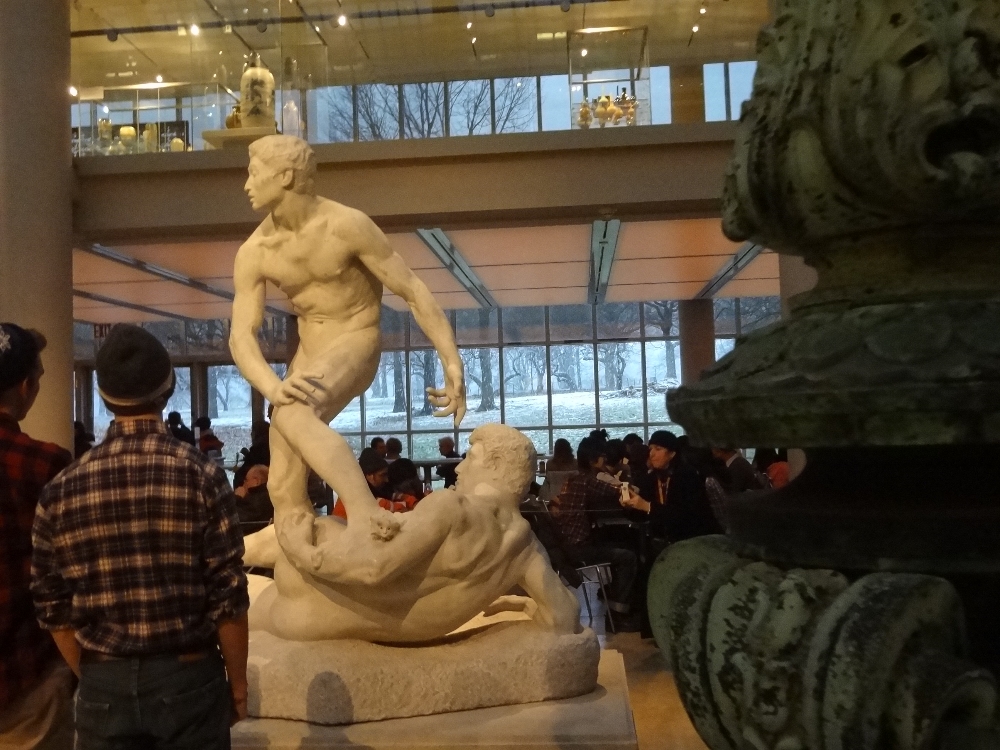
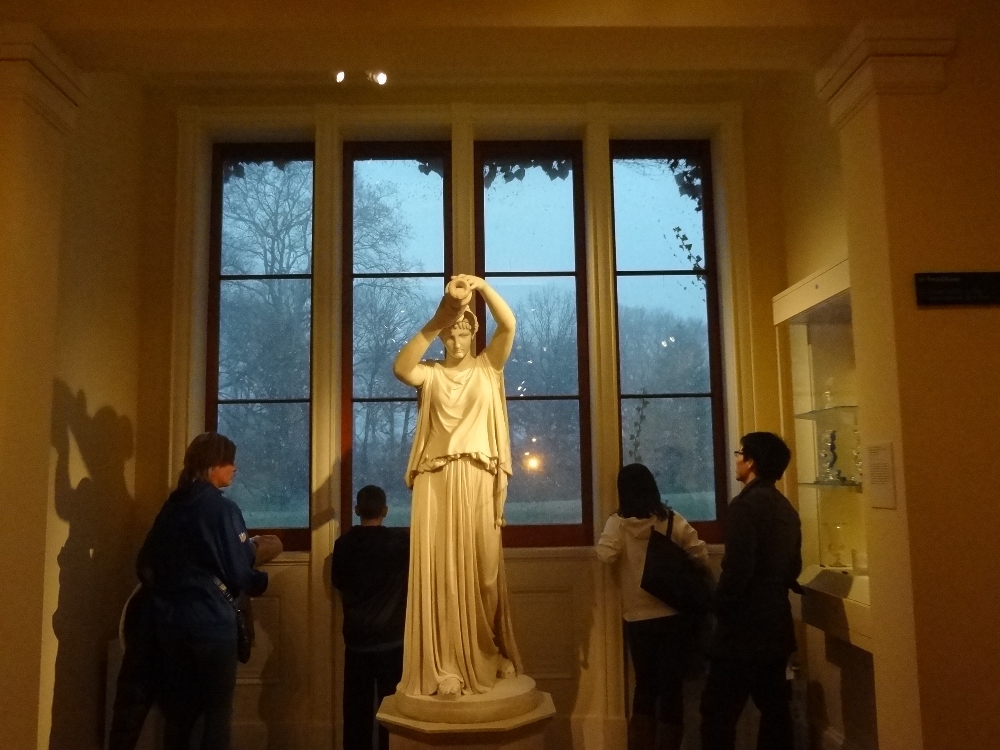
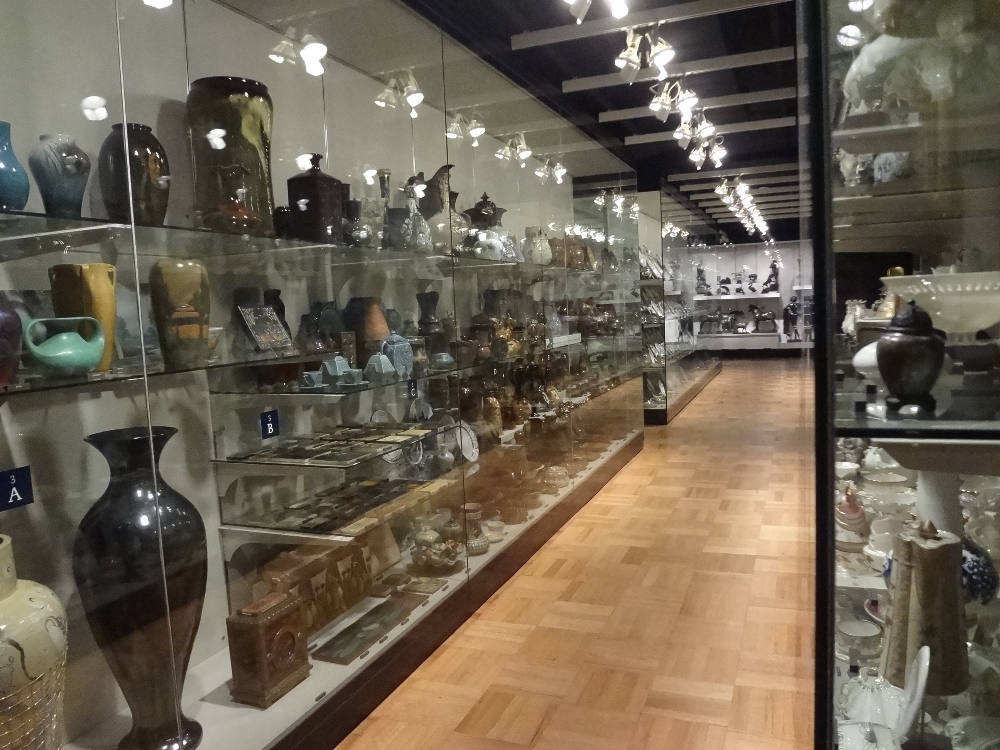
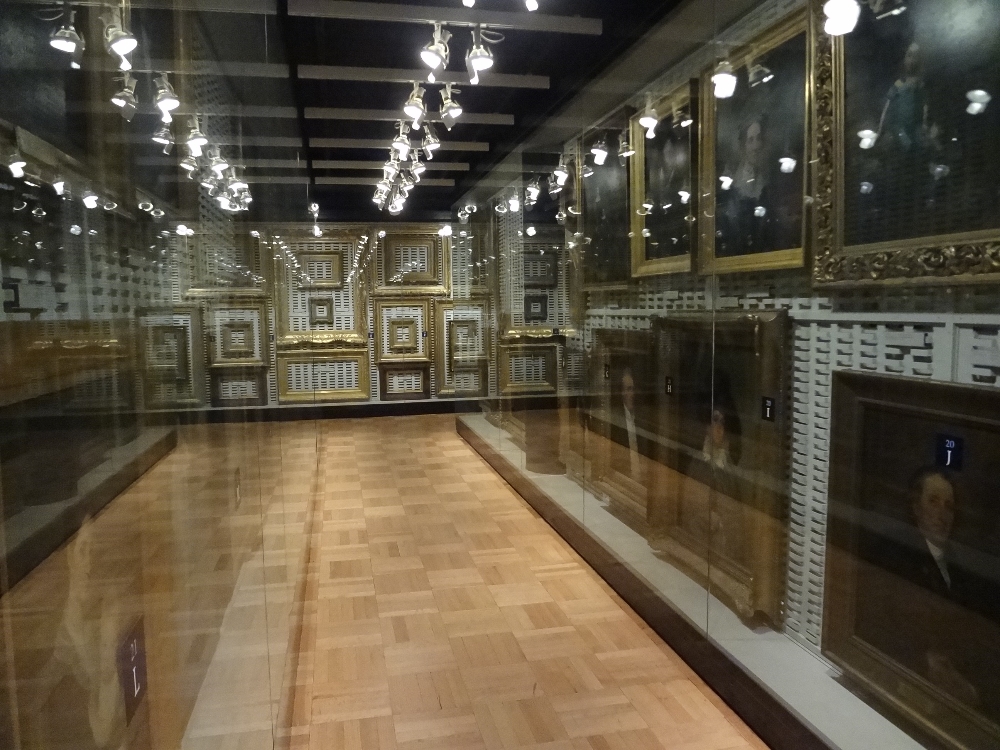
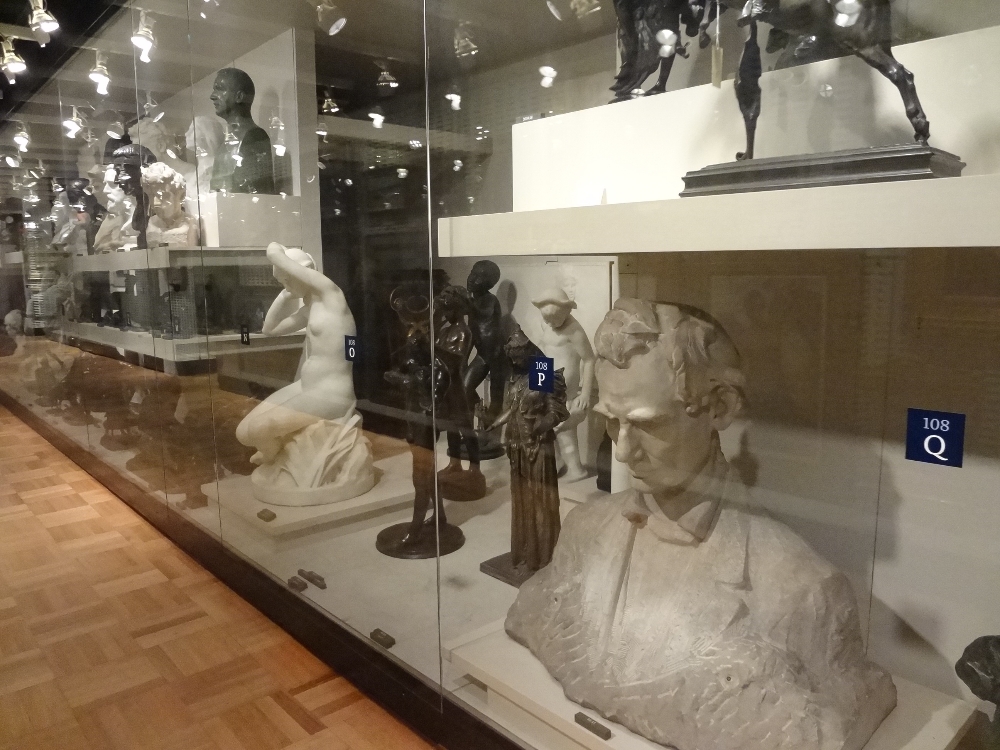

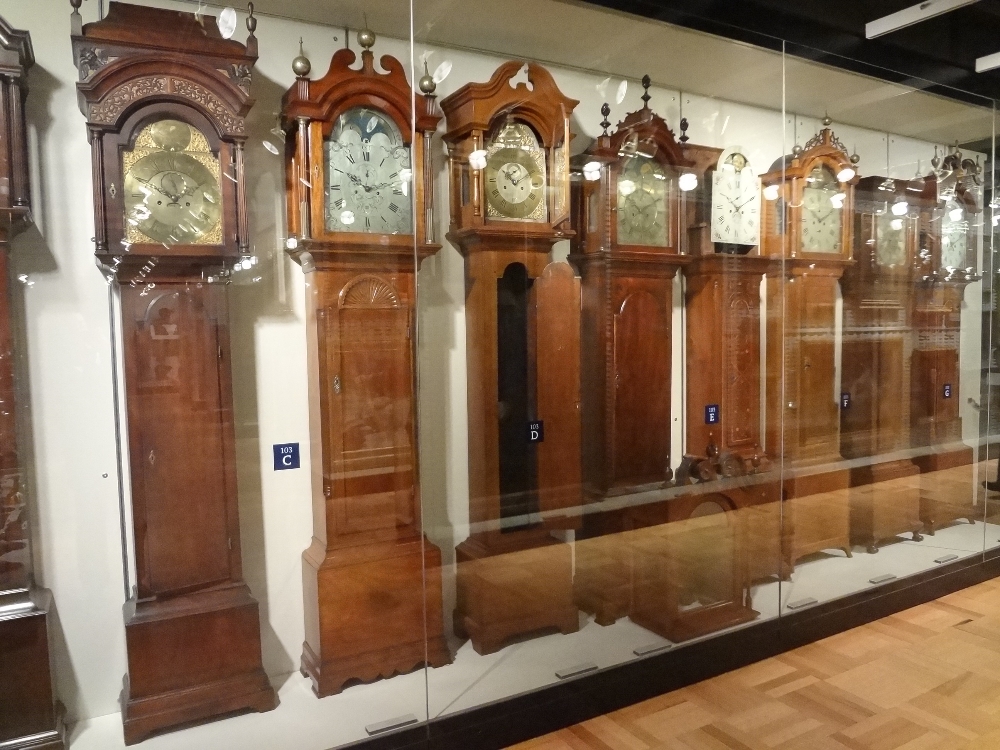
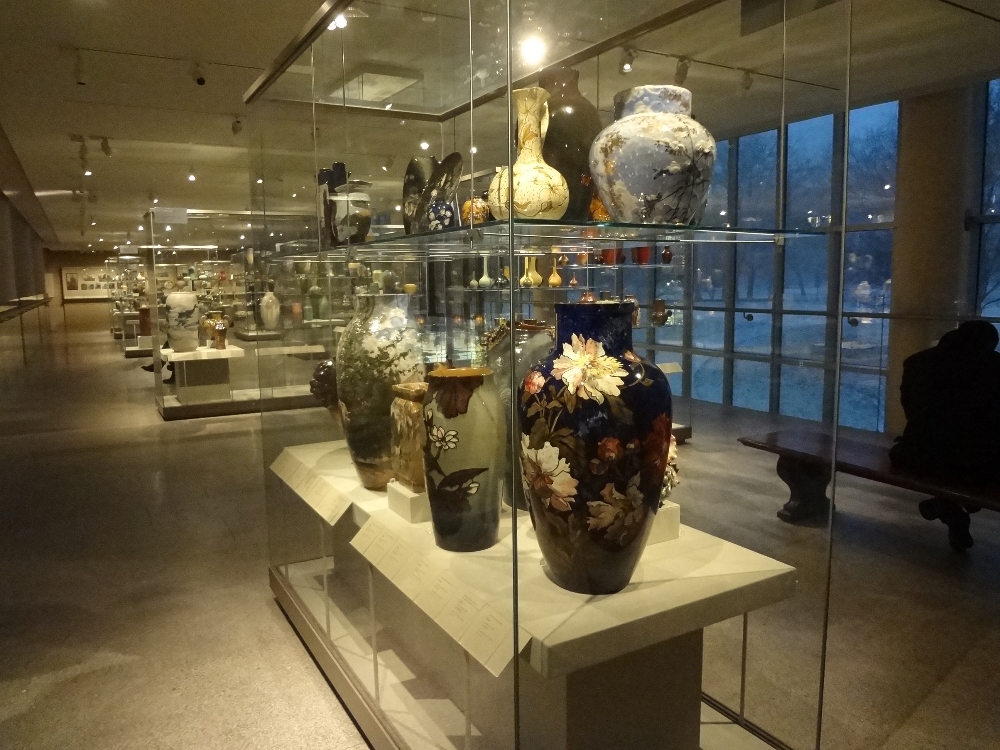
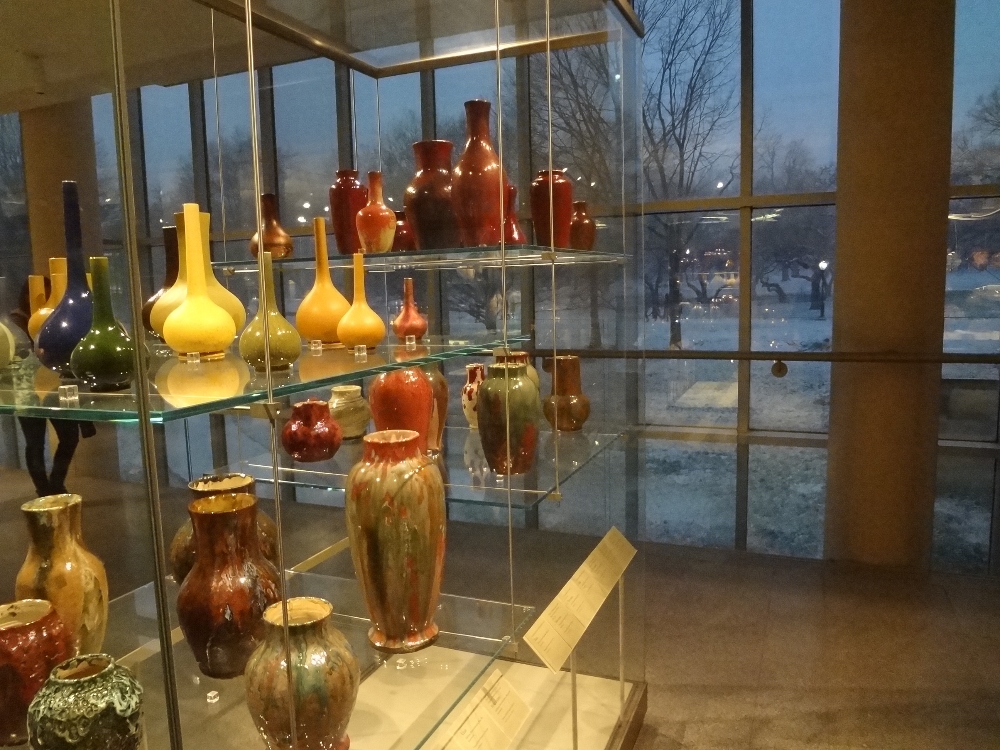
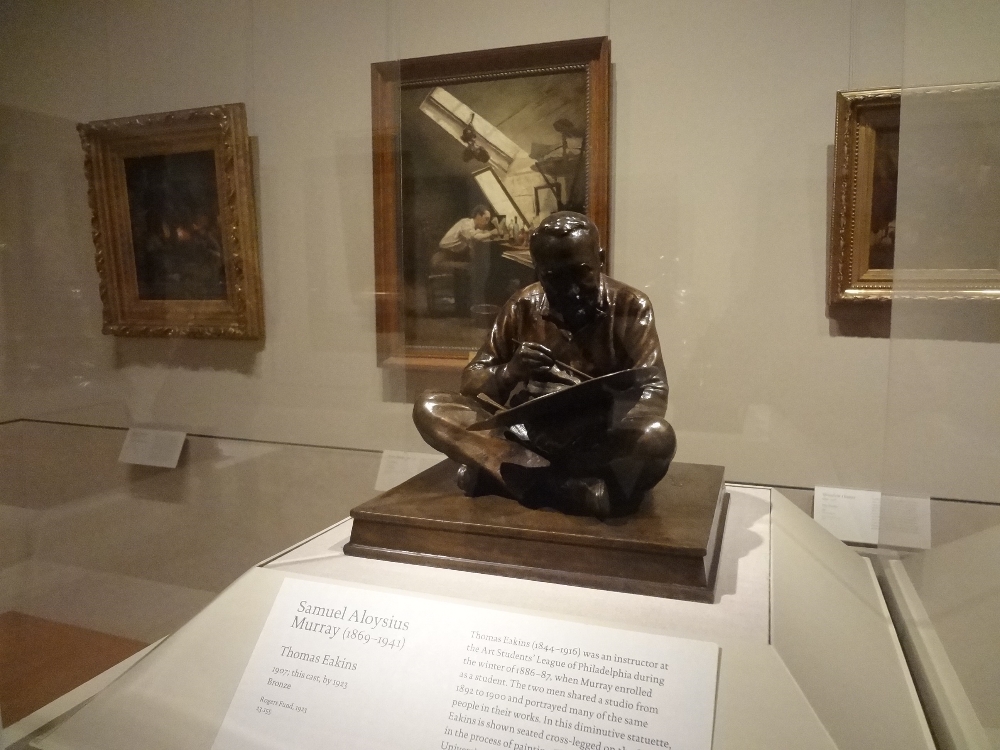
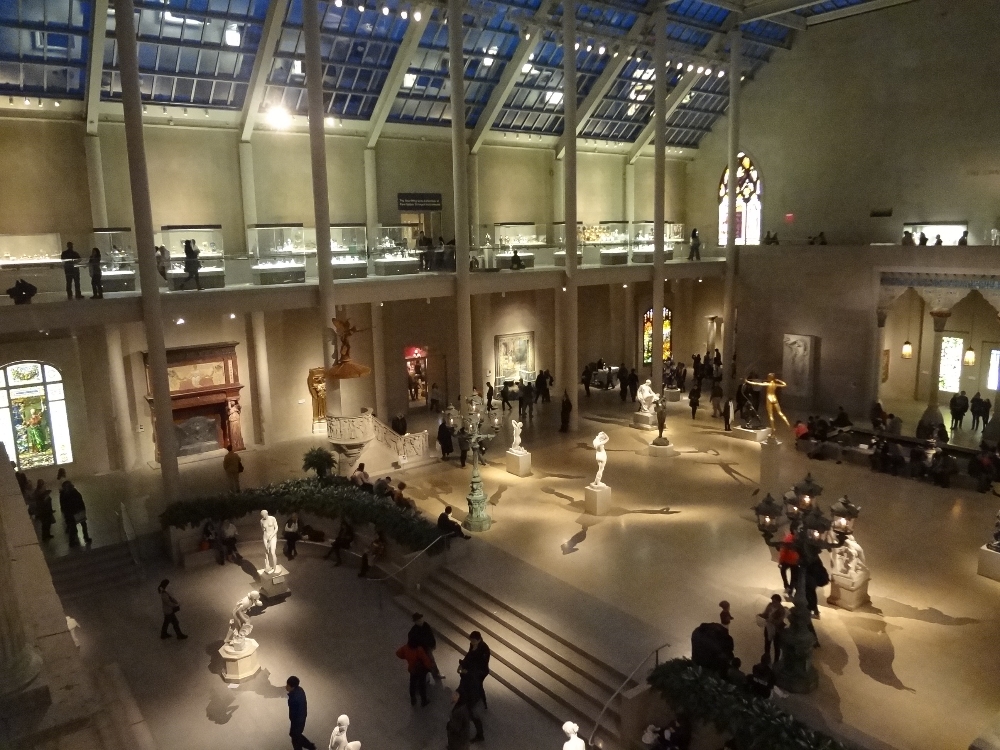
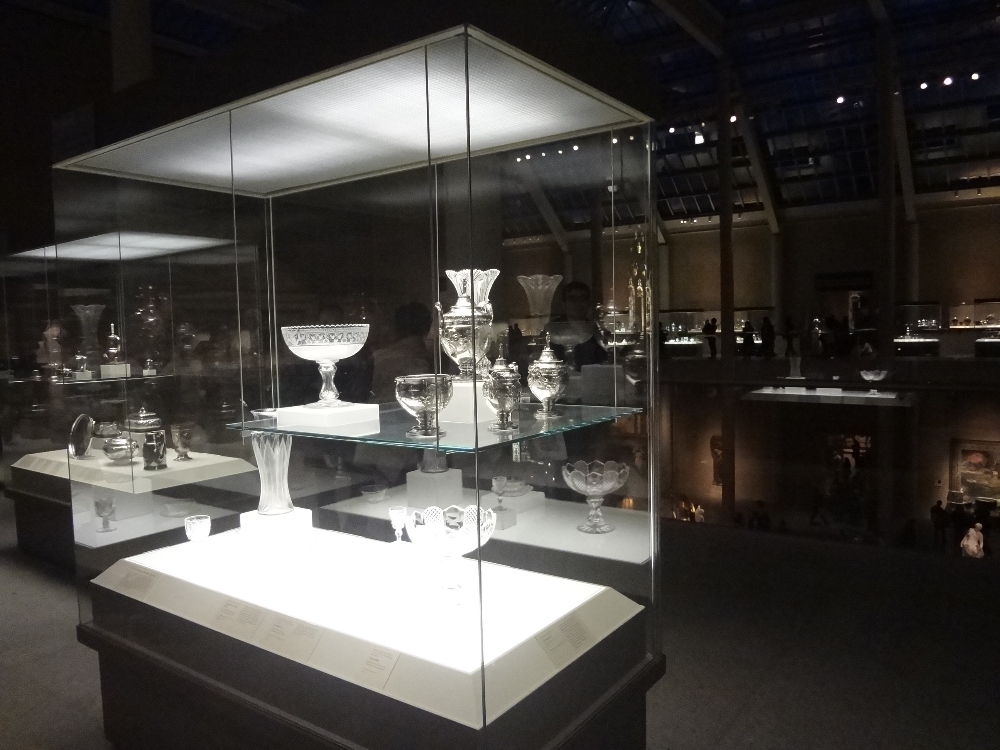
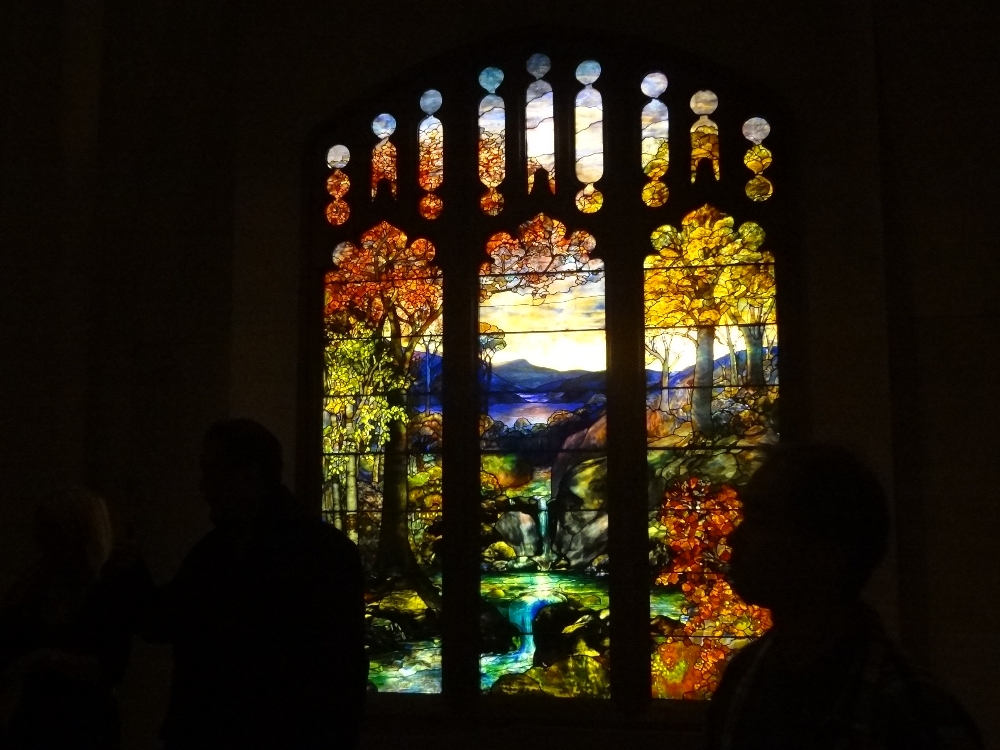
Photoblog entry from our visit to the Met in 2007

Spinach noodles in peanut sauce with garlic, onions, carrots, chicken and my newest favorite ingredient, ginger

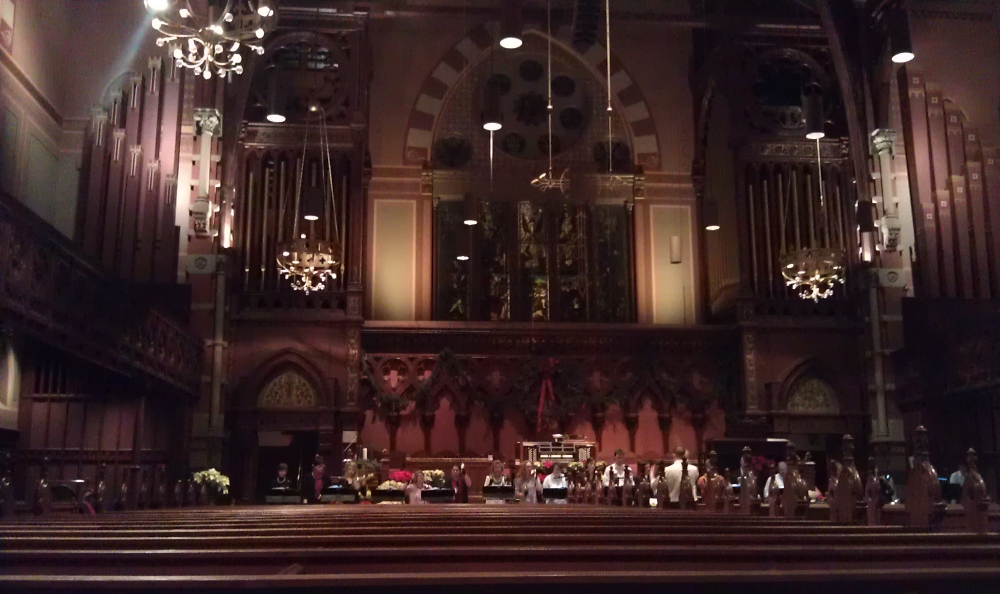
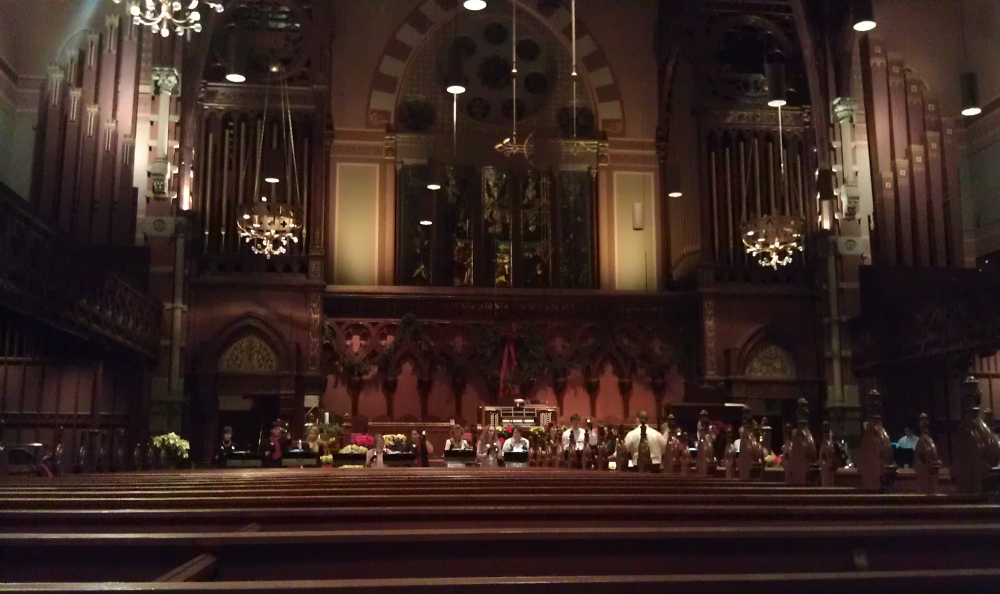
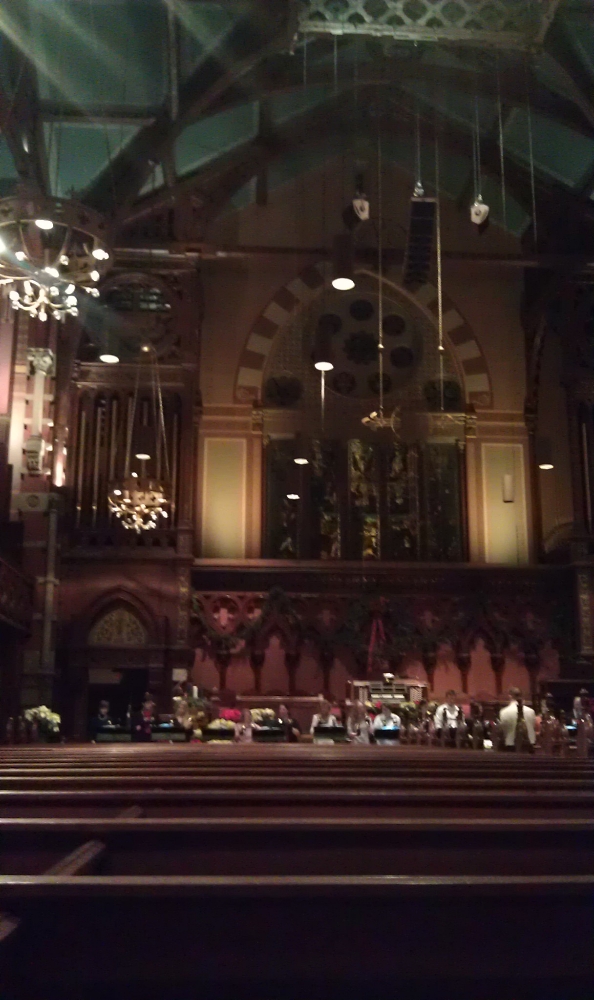
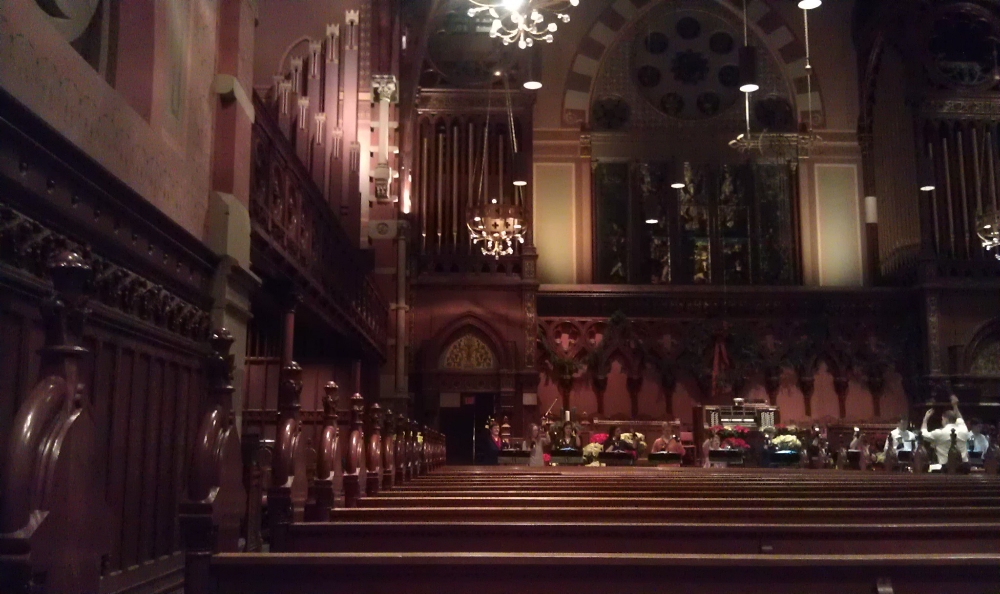
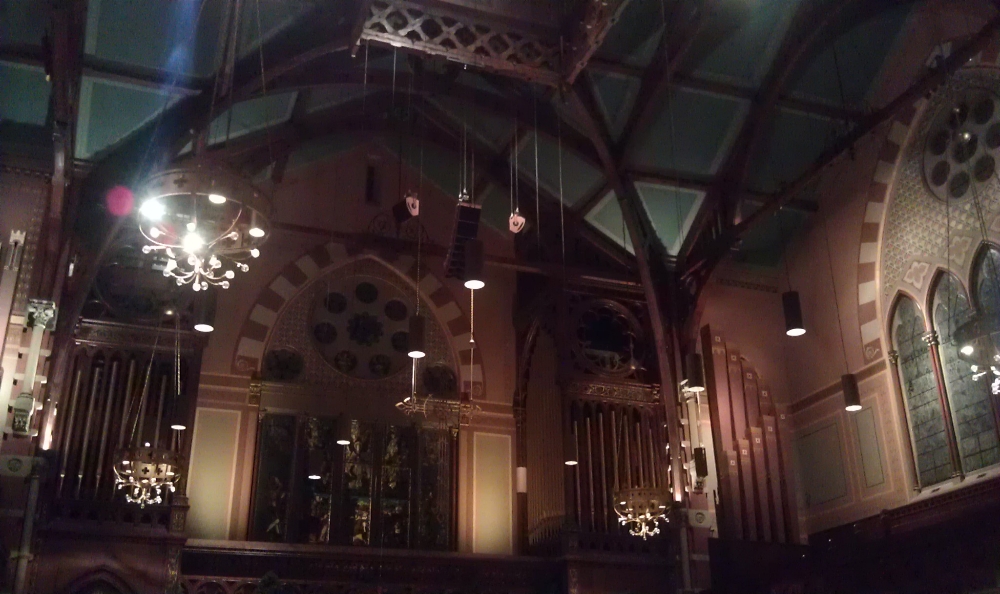
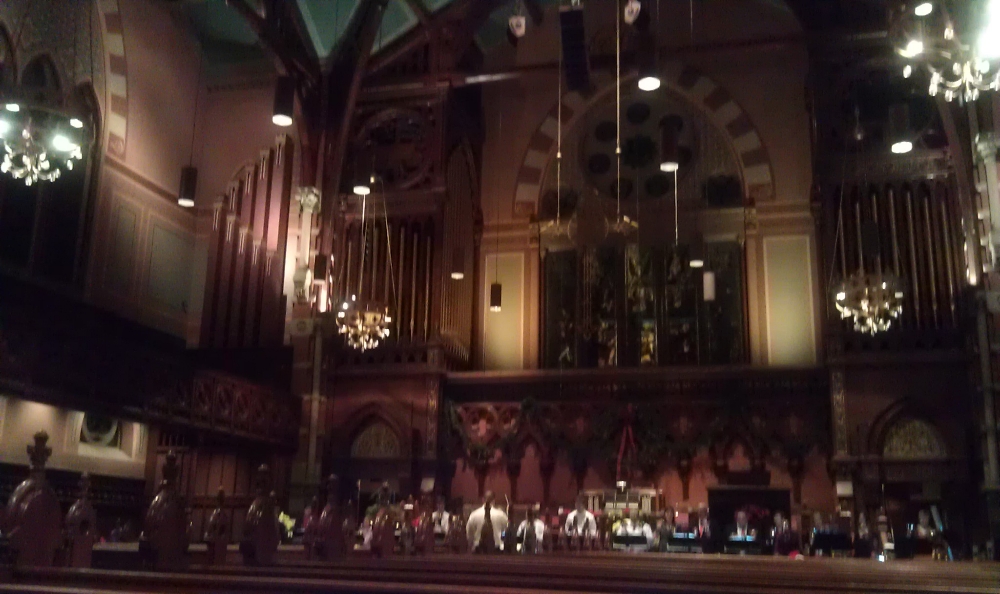
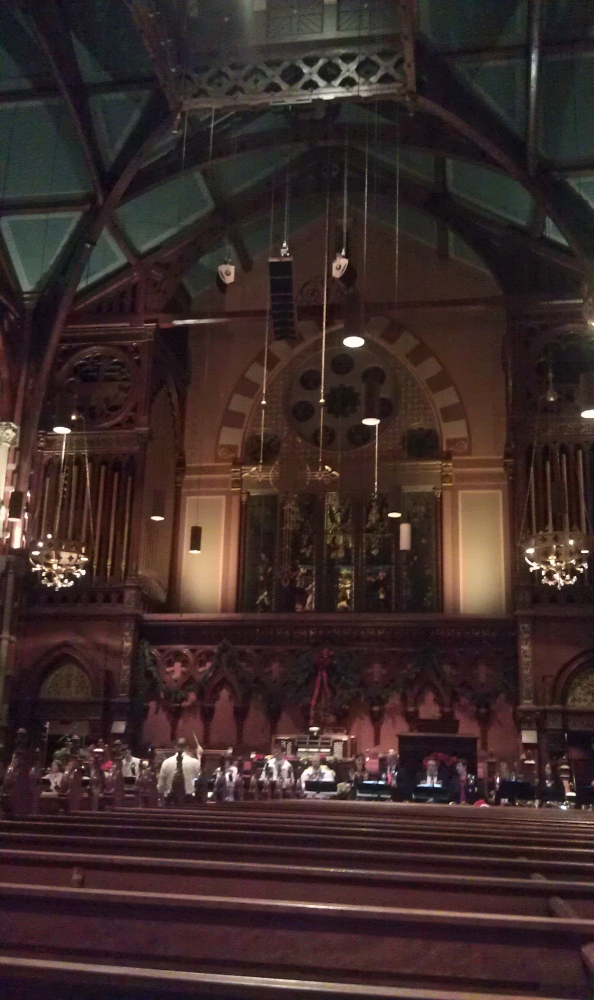
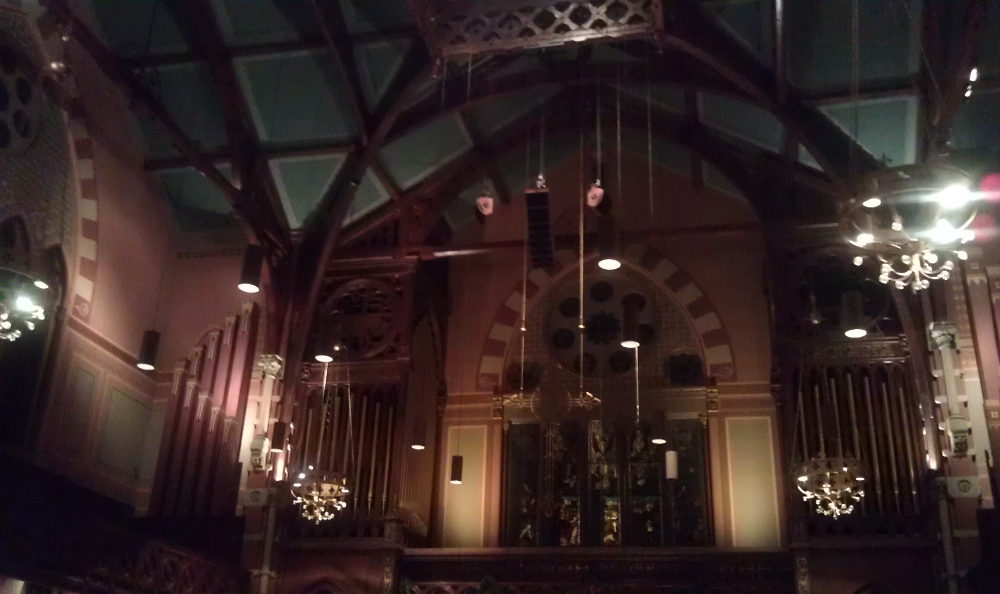
[Not a valid template]I was need of some peace on earth and good will towards men, so I went to a favorite familiar spot, Old South Church, for some uplifting music. The Old South Ringers were rehearsing for their Christmas handbell concert.
Click here for a sample of this ridiculously beautiful music.

Nine years ago, I painted the mansion where the parents of these two little girls were married. It was a wedding gift from the brother of the groom, and I was honored to be able to help commemorate their wedding day. I was even more honored when he contacted me nine years later and commissioned another painting!
His brother and sister-in-law are now the proud parents of two beautiful daughters, and this painting was commissioned for his brother’s 40th birthday. I promised to have it finished in time for Christmas, and nothing keeps me motivated like a deadline, so I spent several lovely weekends painting for many, many hours at a time
This blast from my past got me thinking about where I was in my life when I painted that mansion. It was the summer after I graduated from college, I was living at my parents’ house, painting in their basement and job-searching. I had no idea what I was doing, but a year later, I was working in the registrar’s office at a college, living with nice strangers in Brighton and working on another commission.
Life is good.
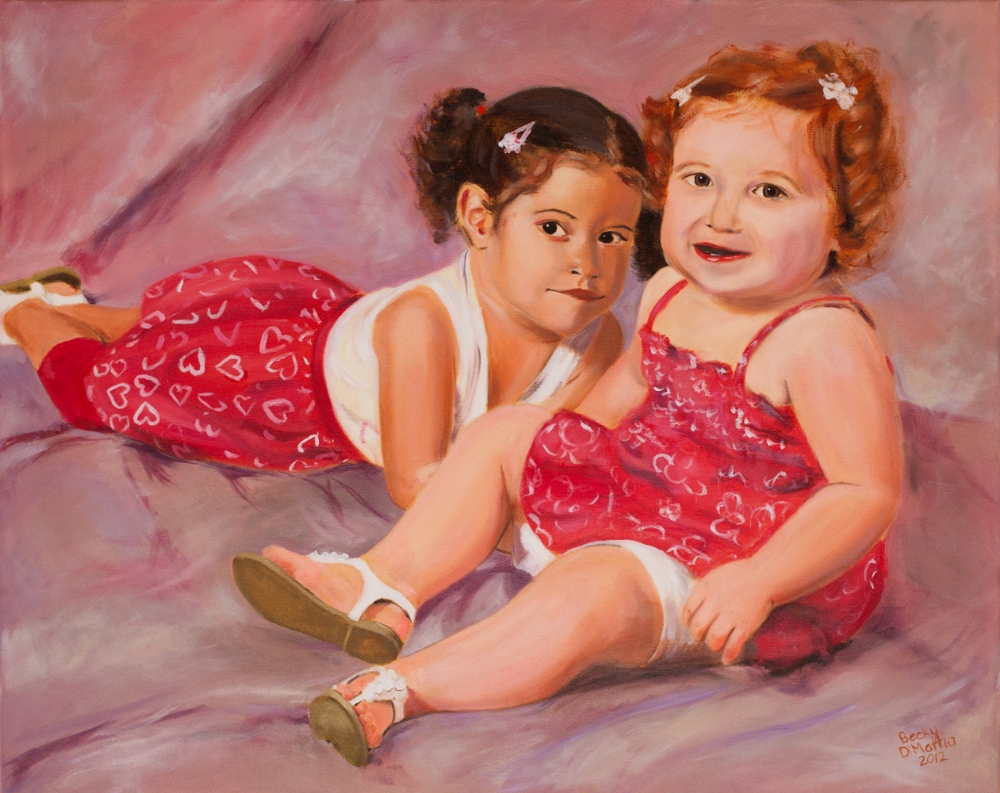
Sisters, oil on 24×30″ canvas, December 2012
Please click here for a full list of articles in this series.
Disclaimer: This post has nudity, and that’s something to be ashamed of. Just ask Eve.
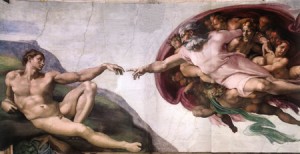
Michelangelo’s Creation of Adam, Sistine Chapel Ceiling, 1508-12
I like to think of myself as a weekend art historian. I’m no scholar, but I know a few things, and I love love love studying art history. This is my blog, and I can be a big nerd if I want to, so I’m going to.
This is the first in a series of monthly posts about paintings that tell stories, drawing from my ‘Stories in Art‘ project. As the great Maria von Trapp once said, “Let’s start at the very beginning, a very good place to start.” Sorry to start things off with a really corny quote, but as you will see, artists always quote stuff they love.
Adam and Eve
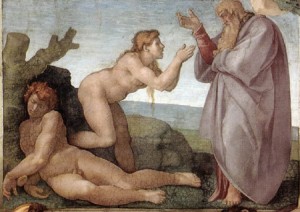
Michelangelo’s Creation of Eve, Sistine Chapel Ceiling, 1508-12
“In the beginning” God created the world, including the first man and the first woman. If you read through a few more books of the Old Testament and do the math, this happened about 6,000 years ago, which doesn’t make any sense AT ALL, but we can talk about that later.
Anyway, Genesis chapter 2 tells the story of Adam and Eve, and we turn to our old friend Michelangelo for some visual references. First, the Creation of Adam, and then the Creation of Eve from one of Adam’s ribs. Then, in chapter 3, things got weird. Anyone who has had some trouble following instructions can identify with this part of the story. God said don’t eat, and Eve ate. Thanks Eve.
This began a long history of paintings that illustrate a simple but destructive notion: “women can’t be trusted.” Check out this painting by Johann Loth (below). This celebration of skin tones tells a simple story: She’s hot, but she’s trouble.
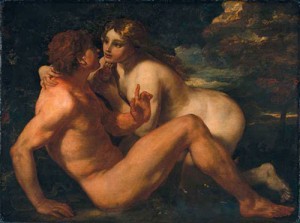
Johann Carl Loth’s Eve Tempting Adam, National Gallery of Canada, Ottawa, 1655
Click on Loth’s painting on the right, then click on Loth’s name (top left) to see some of his other images of strong female biblical characters turned into dangerous temptresses. Thanks Loth.
So, Adam and Eve got kicked out of the Garden of Eden, and this scene (known as “The Expulsion” in art history) became important to a series of artistic “quotations”. When a writer tries to show that he is well-read, he makes reference to well-known literary masters. It’s the same thing with art history. In the Renaissance and Baroque eras, when an artist was trying to make a name for himself, he would deliberately make the viewer think of a famous masterpiece by incorporating a well-known scene into his work.
In a little chapel in an out-of-the-way church in Florence, the early Renaissance artist Masaccio frescoed the scene of The Expulsion (1426-7) (below). It may look ‘primitive’ to us, but at the time, the scene’s raw emotion was so captivating, that other artists began to ‘quote’ this scene. In Ghiberti’s Gates of Paradise (1425-52), a similar version of this scene can be found in the bottom-right of the Garden of Eden panel (below). Michelangelo’s scene on Sistine Chapel Ceiling (1508-12) is also reminiscent of his fellow Florentine’s depiction.
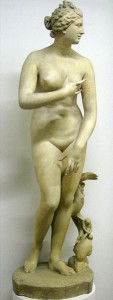
The Medici Venus, Galleria degli Uffizi, Florence
Masaccio was also quoting a previous master, and Michelangelo’s Expulsion was also famously quoted. One of the most influential sculptures from antiquity is a sculpture of Venus where the Goddess of Love covers herself with her arms rather than standing triumphantly like a male god. Masaccio recognized that this gesture of modesty applies perfectly to Eve and her revelation that nudity is shameful.
This ancient Greek sculpture was known by many Roman copies, so Masaccio could have easily been aware of it. In fact, it’s possible that he was familiar with the most famous copy, The Medici Venus, owned by the Florentines for many centuries.
Fast forward to 1610 when the Baroque era was in its infancy, and so was the career of Artemisia Gentileschi. If male artists quote other artists to show that they know what they’re doing, then female artists needed to do so twice as much, especially when the live in a ‘library’ like Rome. Gentileschi’s father took his young talented daughter all over Rome to see the famous frescoes, especially the Sistine Chapel Ceiling. In one of Gentileschi’s early works, Susanna and the Elders (1610), she quoted Michelangelo’s Expulsion by reversing Adam’s defensive gesture. Susanna was spied upon while bathing, and in the same way that Masaccio saw Eve in a sculpture of Venus, Gentileschi saw Susanna in Adam’s anguished objection to being expelled.
Don’t get me started on Susanna, but it was not her fault that those guys were spying on her and they deserved their punishment when the truth was finally discovered (Thanks Daniel). Same as with depictions of Eve, artists have spun Susanna’s story to make it look like she was far from innocent. This brings us full circle back to Eve, her ‘mistake’, and the notion that women can’t be trusted because they are temptresses who are just trying to lure you into big trouble. Biblical stories of women were spun by artists to downplay the importance of the woman’s role in the story, and to draw attention to the horrible fate of man if he trusts a woman. Suckers.
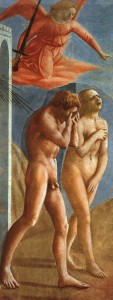
Masaccio’s The Expulsion from the Garden of Eden, Brancacci Chapel, Santa Maria del Carmine, Florence, 1426-7
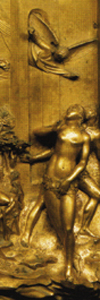
Lorenzo Ghiberti’s The Expulsion, detail from the ‘Garden of Eden’ panel on the Gates of Paradise, Baptistry of St. John, Florence, 1425-52
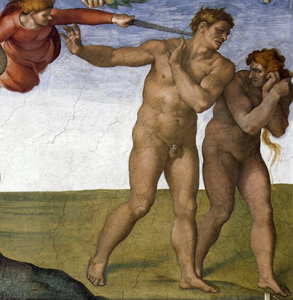
Michelangelo’s “The Expulsion”, Sistine Chapel, Vatican City, 1508-12
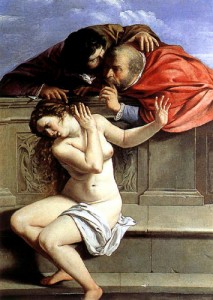
Artemisia Gentileschi, Susanna and the Elders, Schloss Weissenstein, Pommersfelden, 1610
~ § ~ § ~ § ~
Next article: Cain and Abel