B&B
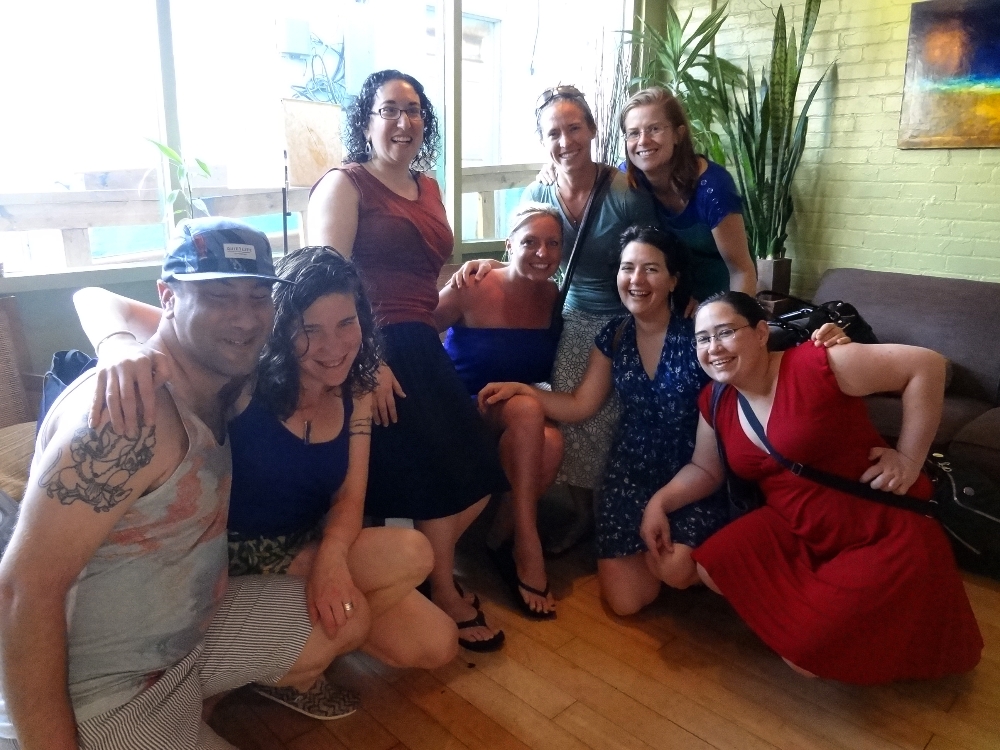
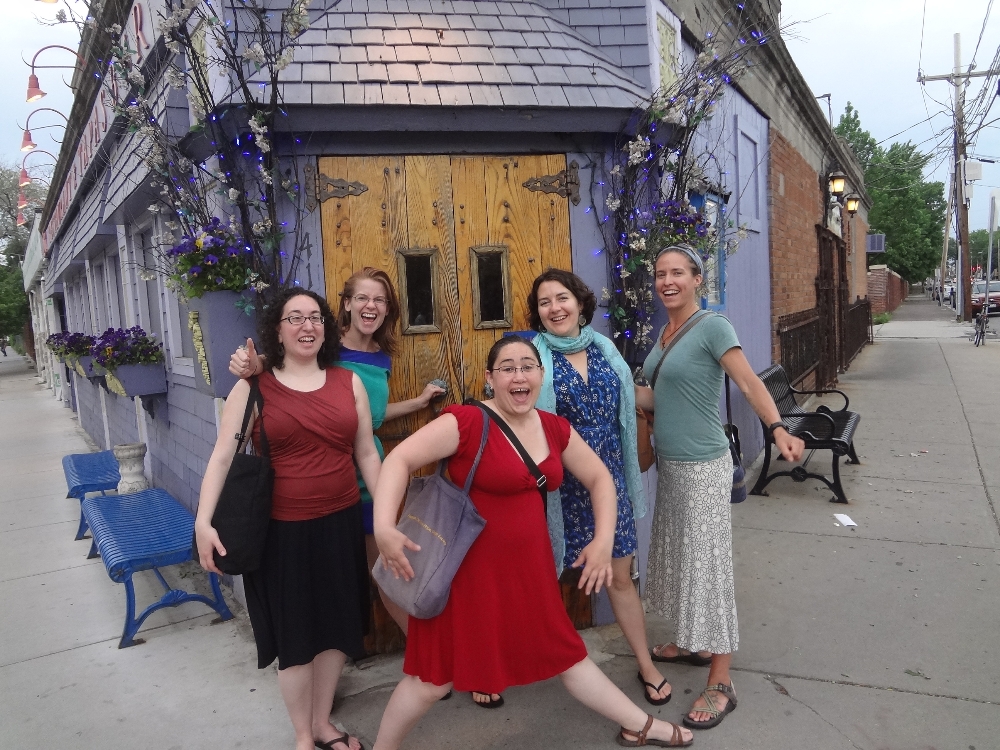
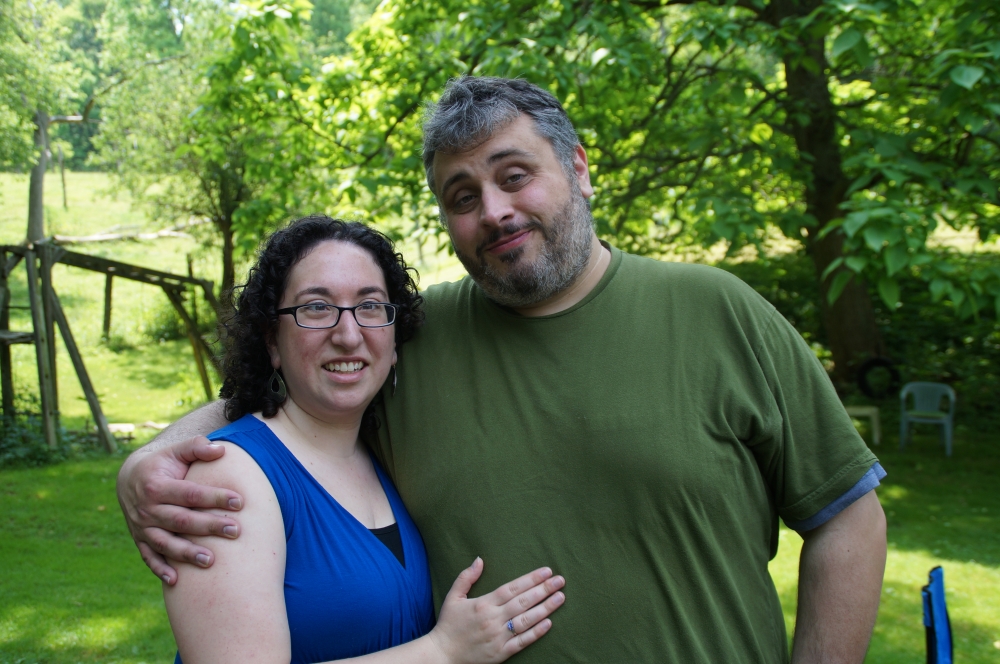
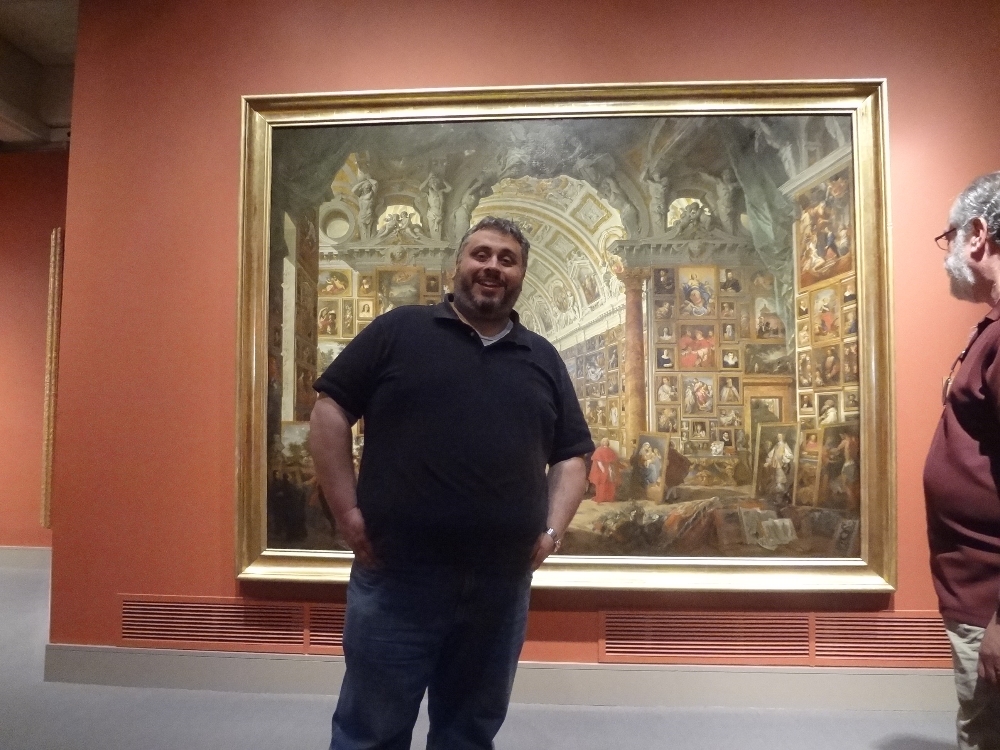
Saturday, June 22nd, 2013Thanks Alex for taking a few great photos of us in State College, PA
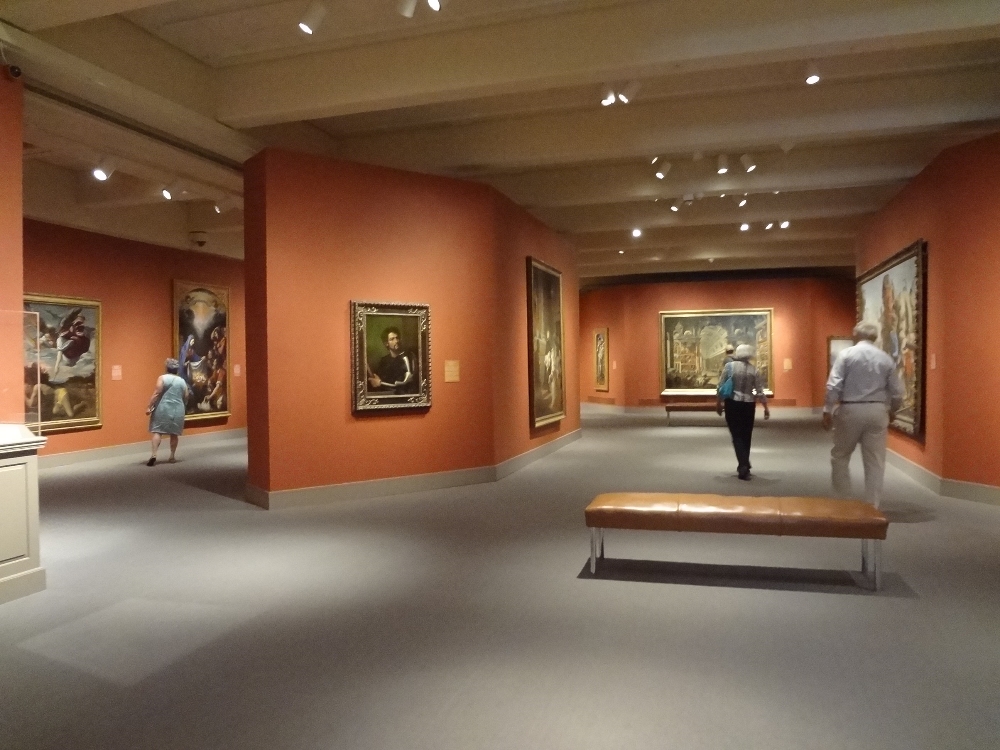
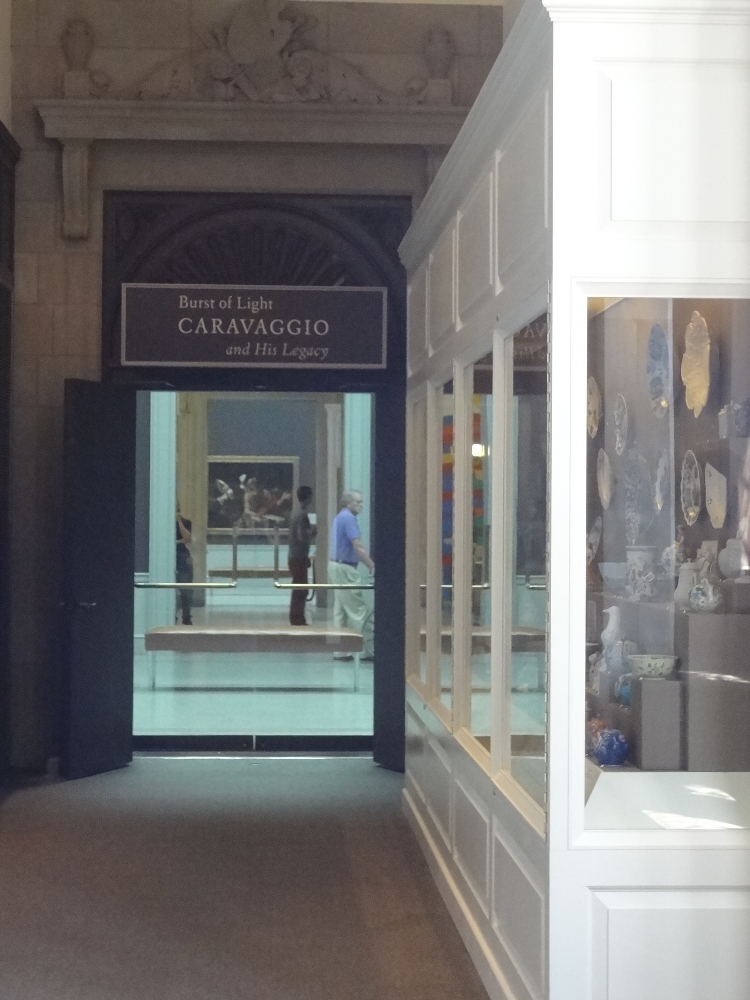
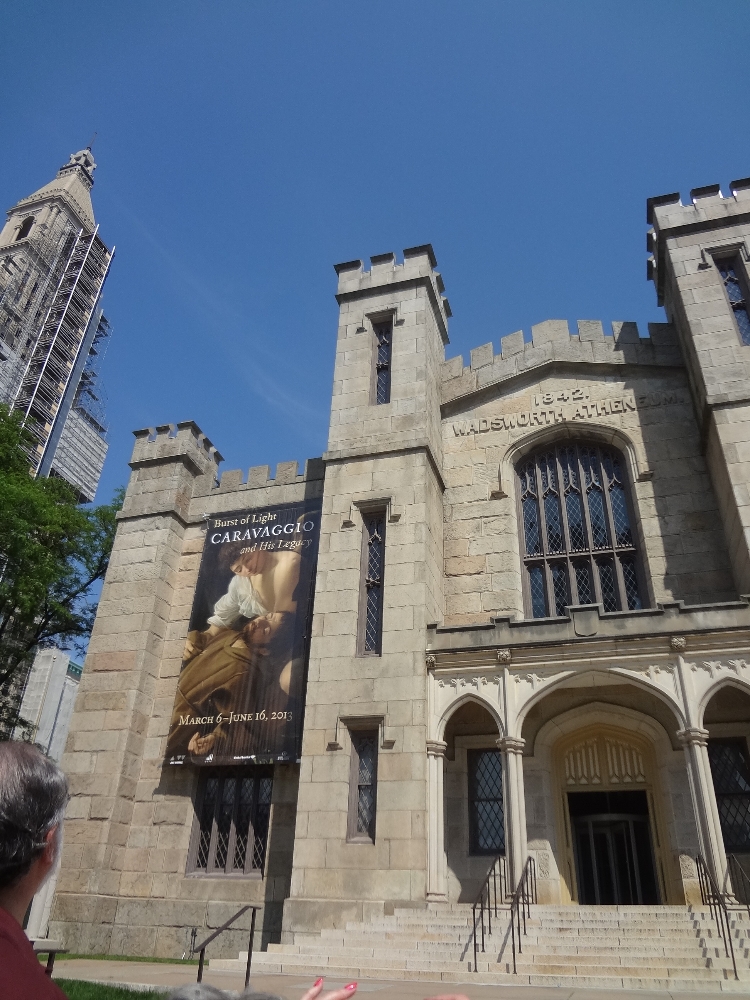
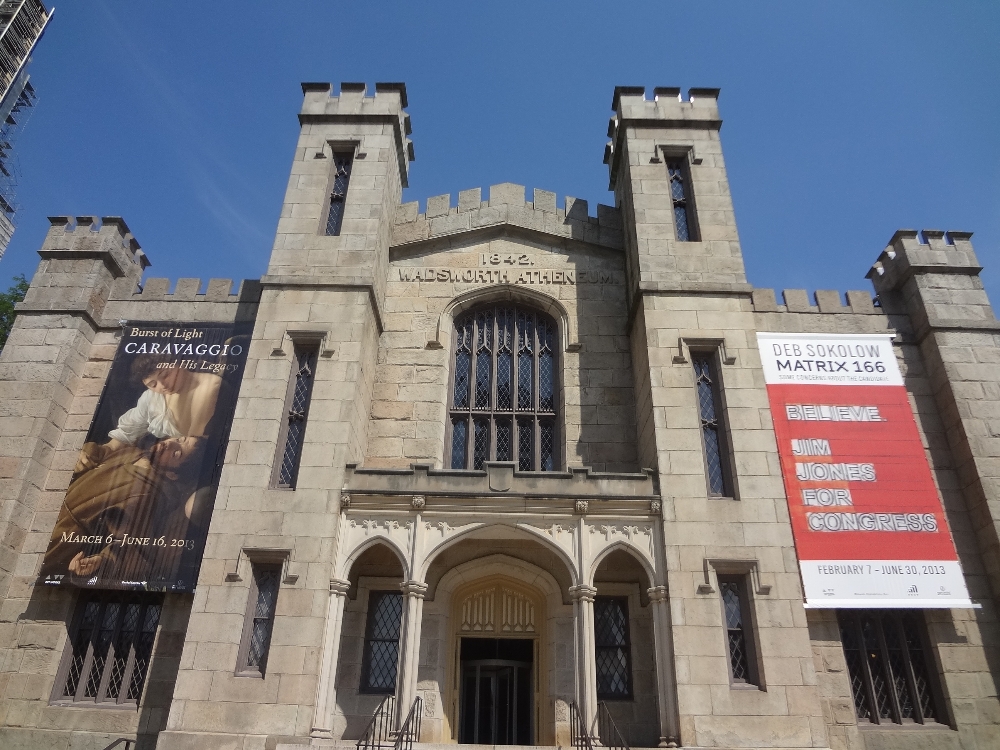
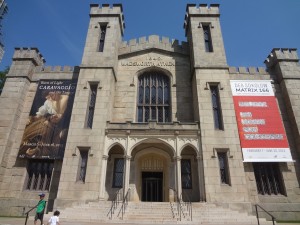 There are two Baroque paintings in the collection of the Wadsworth Atheneum Museum of Art that I think are worth the entire two hour trip from Boston to Hartford to see. When I first visited the Wadsworth about 10 years ago, the entire Baroque section was being renovated. When I visited again in 2011, I got to see one of them and it was truly a treat. The other was in storage. This time, I finally got to see the painting I had been trying to see, and it was gorgeous.
One painting is Orazio Gentileschi’s Judith and Holofernes. Like so many others, Gentileschi painted in the style of Caravaggio, and he was among the few who truly mastered Caravaggio’s rich colors, dramatic shadows and intense emotion.
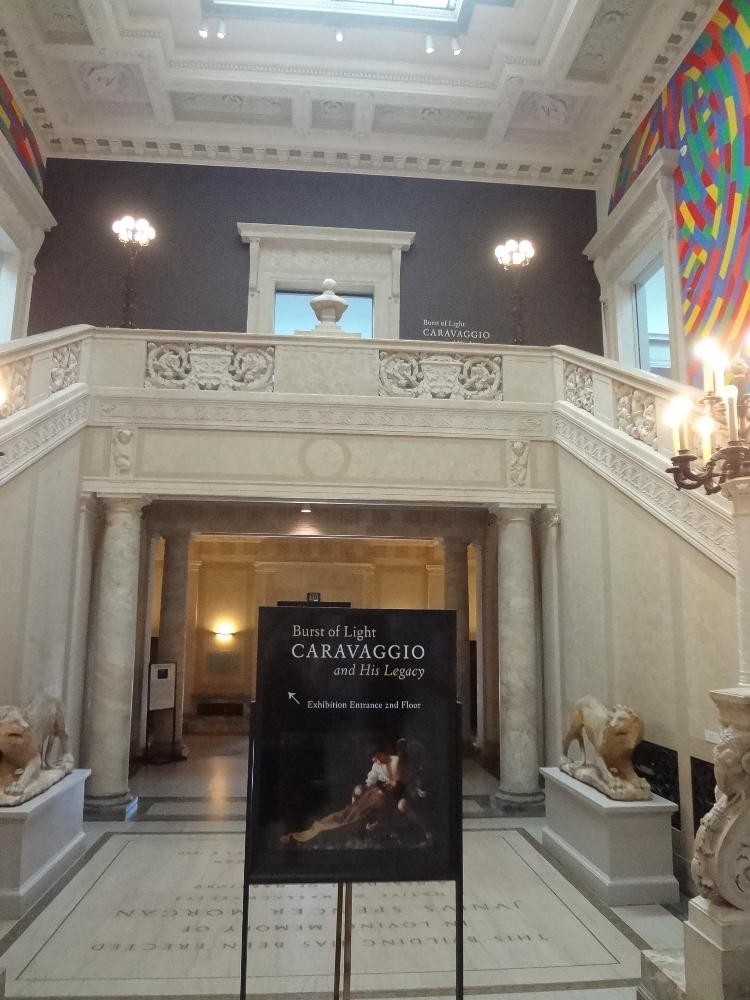
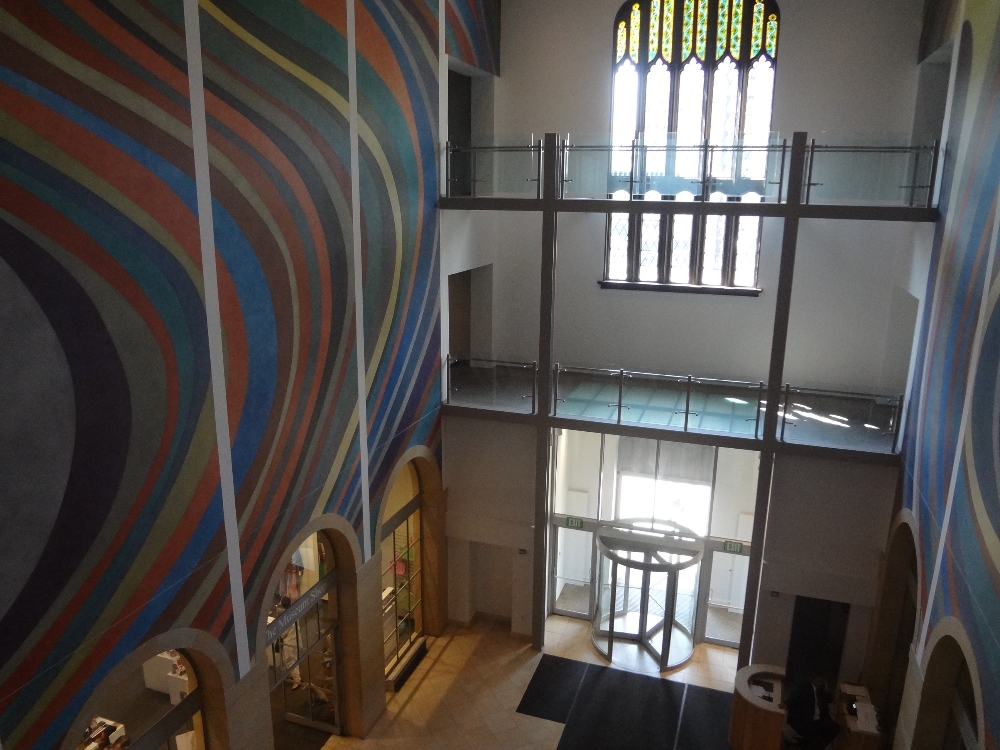
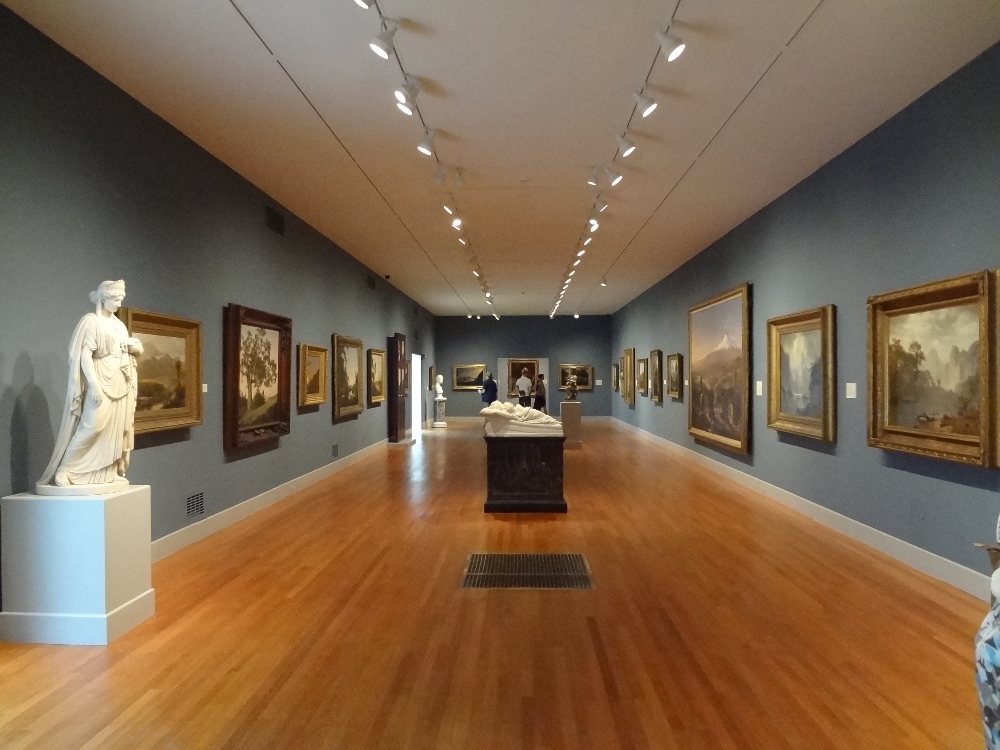
The other painting is Caravaggio’s St. Francis of Assisi. There are only a handful of paintings by Caravaggio in American collections, so it’s a treat to see works by the master on home soil. The Wadsworth worked an entire exhibit around these two paintings (Burst of Light: Caravaggio and his Legacy), so obviously, I have been dying to see this since it opened in March. We finally found a free weekend to head down to Hartford and we had a wonderful afternoon.
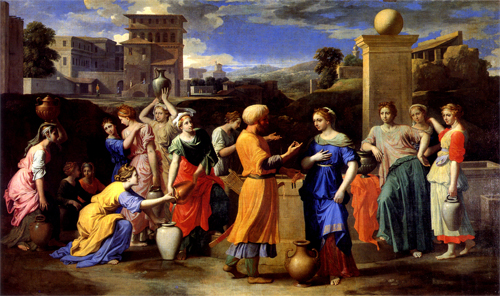
Nicolas Poussin, Rebecca at the Well, 1648, Musée du Louvre, Paris
This is my sixth article in a monthly series of articles about paintings that tell ancient stories, drawing from my Stories in Art project. Please click here for a full list of articles in this series.
~ § ~ § ~ § ~
After the death of Abraham’s wife Sarah (Genesis 23), the focus of the story shifts to the next generation: their son Isaac and his wife Rebekah. In Genesis 24, Abraham sends his most trusted servant to find a wife for our second patriarch, and that scene is the subject of one of my favorite paintings.
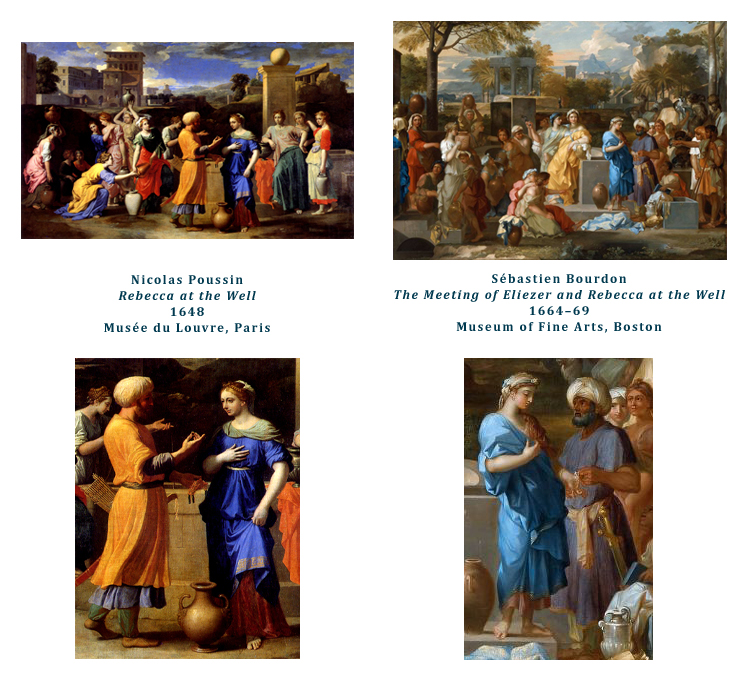
In 2007, when I started my Stories in Art project that forms the basis of this series of articles, I chose Nicolas Poussin’s Rebecca at the Well to feature in the site’s design. To me, this painting is a crystal clear example of a painting that makes a lot more sense once you know the story.
|
On the surface, it’s a fairly simple scene. A man approaches a group of lovely women, he speaks to the most beautiful woman, and offers her a gift, which she accepts graciously. It’s a pleasant scene and Poussin used this gathering of lovely women as an opportunity to show off his skills with flowing drapery and vibrant colors.
But if you know the story of Eliezer’s journey to find a wife for Isaac, the scene takes on new meaning. This may appear to be a commonplace scene of a man flirting with a beautiful woman, but it is in fact a scene of a loyal servant making an admirable decision. When Eliezer arrived at the well in Abraham’s homeland, he prayed to God to make his journey successful, and he asked that the woman he was searching for be the woman who offered to draw water from the well for his camels.
This is a quiet yet earth-shattering moment in the early chapters of our history. Eliezer could have asked God to show him the most beautiful woman, or the wealthiest woman, or the woman most likely to bear healthy sons, but instead, he asked God to help him find the kindest most generous woman to be our second matriarch. Eliezer valued kindness and generosity over beauty and wealth. If only we could all be a little more like Eliezer.
This is one of the only positive stories about a woman in the bible. Several thousand years before women were equal partners in relationships with men, stories about biblical women were about sexual violence, acts of desperation or innocent pawns among deceitful men. Refreshingly, the story of Rebekah at the Well is the story of how she was chosen to be Isaac’s wife because of her kindness and generosity. For this reason, I’m proud to be named Rebecca.
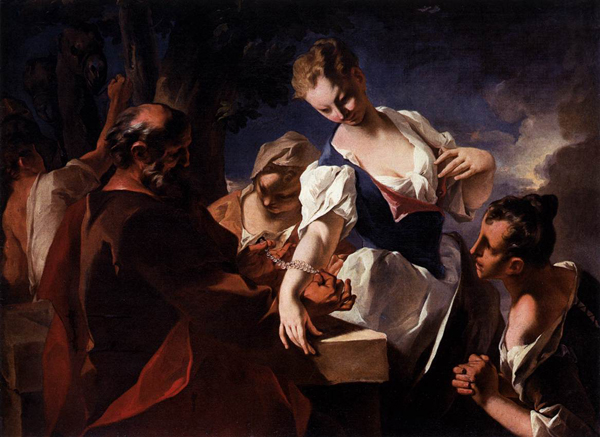
Nicola Grassi, Rebecca at the Well, c. 1720, San Francesco della Vigna, Venice
Of course, artists chose to ignore this rare positive message for women, and instead, spun the story to focus on our less flattering traits. After Rebekah offered water to Eliezer’s camels, Eliezer offered her gifts of jewelry and then asked to meet her family. By focusing on the moment when Rebekah accepts the jewels from Eliezer, artists made a selfless young woman appear vain and self-involved. In the case of Nicola Grassi’s gorgeous yet unfortunate painting on the right, she also appears rather smug and arrogant as she is singled out by the mysterious stranger. Click on the painting on the right to see more scenes like this.
This brings us back to Poussin’s scene, which also shows the moment when Rebekah accepts Eliezer gifts. One of the many reason I love this painting is because Rebekah appears far more humble in this scene than in Grassi’s. The wealthy stranger has disrupted the bustling daily scene of gathering water from the well, and for Poussin, this was a perfect opportunity to show his skills. Poussin was a master at designing a scene that is both busy and orderly, chaotic and balanced, scattered and focused.
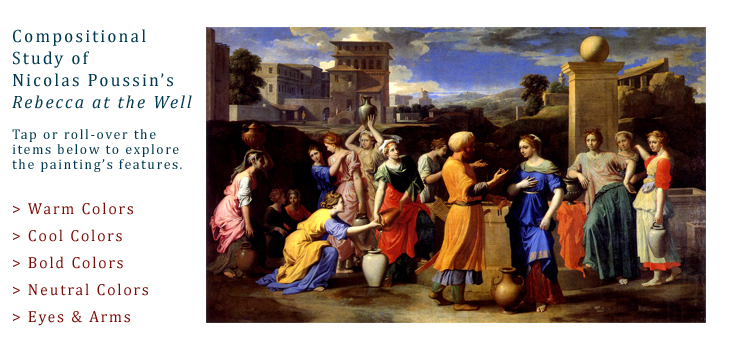
To truly appreciate Poussin’s masterful composition, I have broken down the painting in to its parts to see how Poussin balanced warm colors with cool colors, while also balancing bold colors with neutral colors. Poussin leads our eye around this scene by following the gazes of the women and the direction of their arms. Please explore this composition by rolling your mouse over the categories below.
I would have to travel to Paris to see Poussin’s masterpiece in person, but I only have to walk around the corner to see a painting inspired by Poussin. Sebastien Bourdon was a brilliant French artist who studied Poussin and drew inspiration from his compositions. Bourdon’s painting of Rebecca at the Well hangs in the finest of the galleries at the Museum of Fine Arts, Boston. Scroll down to see for yourself how Bourdon was inspired by Poussin.
~ § ~ § ~ § ~
~ § ~ § ~ § ~
Previous article: Abraham and Isaac | Next article – coming soon!
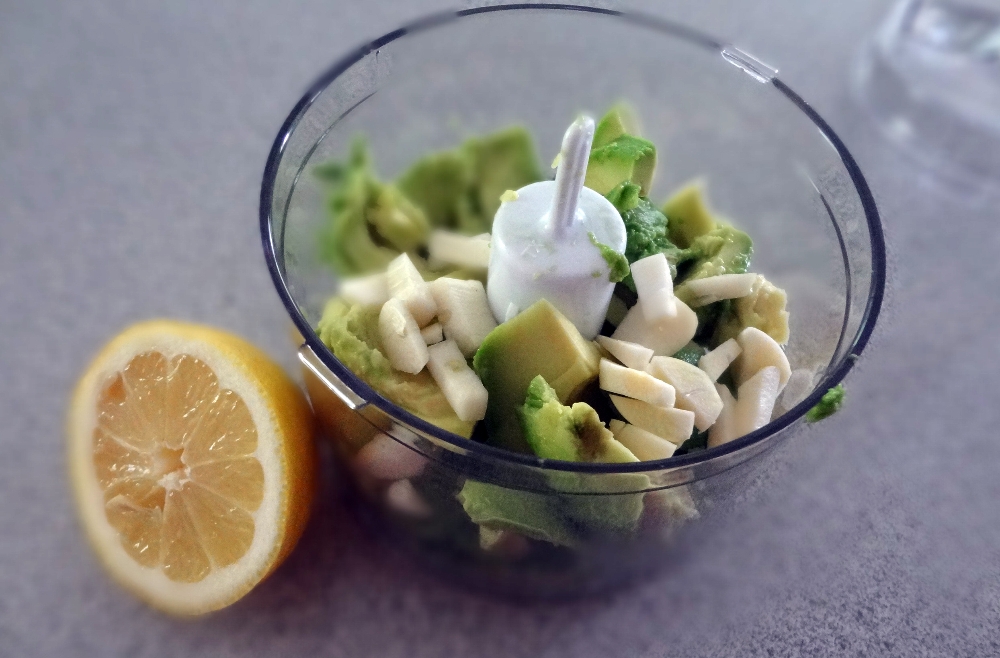
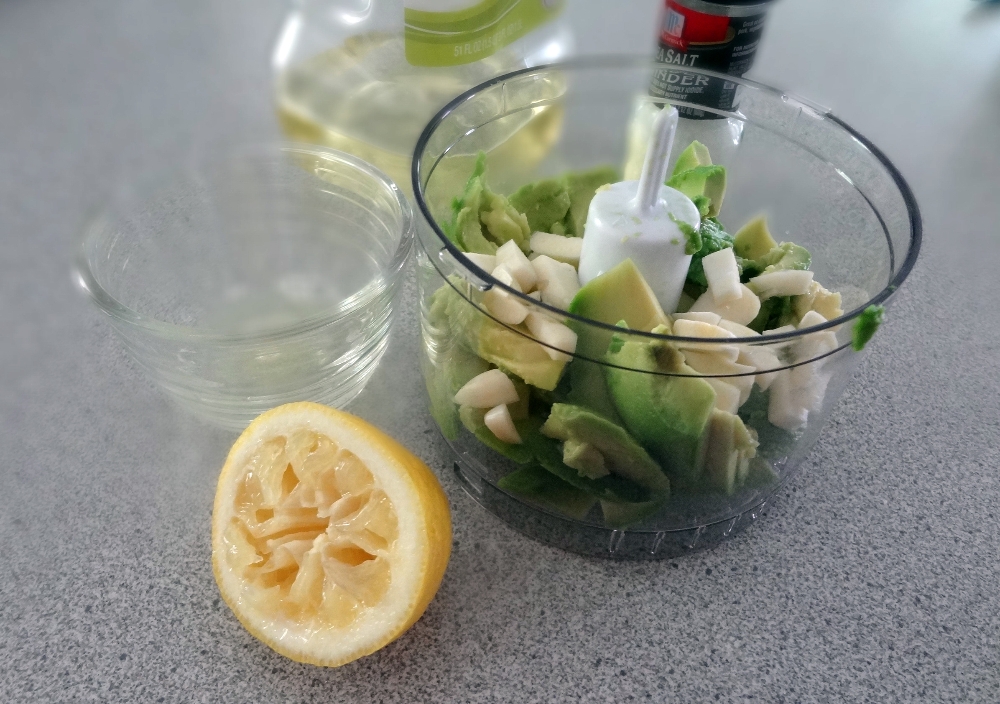
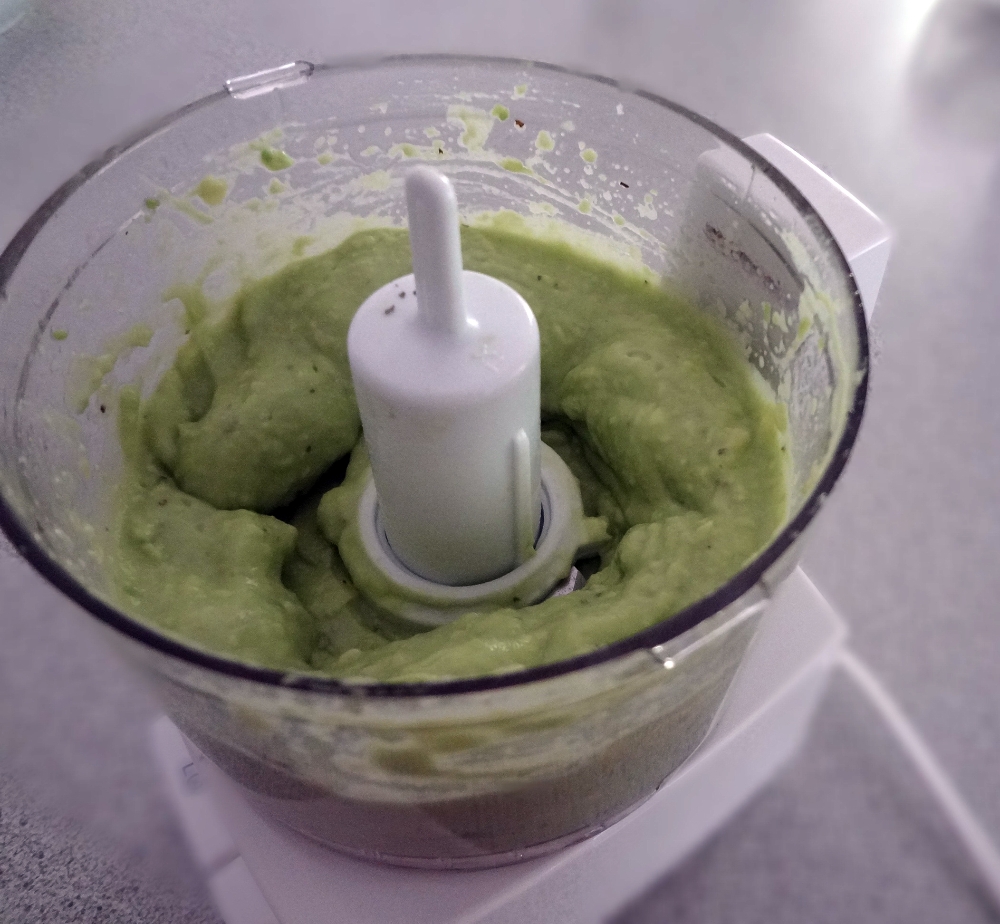
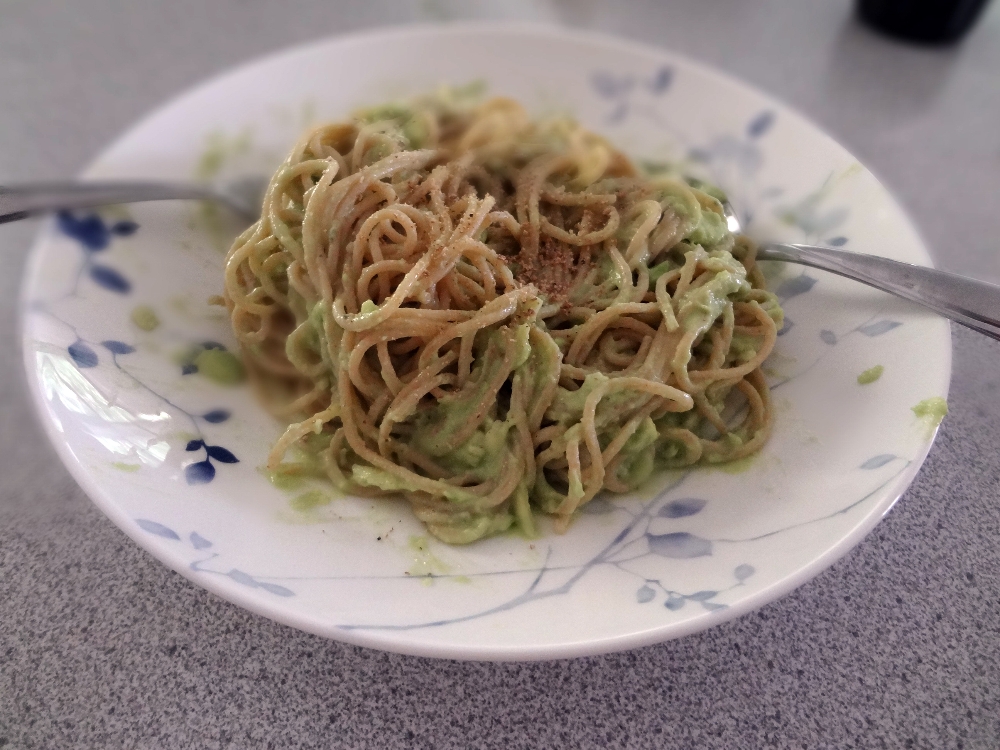
[Not a valid template]For the first time today, I tried a recipe that I found on Pinterest, and it was delicious! This recipe is perfect for a girl who loves avocados, and also loves creamy pasta sauces too much. What can I say? I was raised on mac & cheese! Creamy texture without actual cream … why didn’t I think of this? I have a few ideas for enhancing this recipe with rosemary tofu and sun-dried tomatos. More on that another time.
Click here to check out my For the Love of Pasta board on Pinterest and click here to visit the recipe for 15 Minute Creamy Avocado Pasta on the Oh She Glows blog.
 We spent the day in Deering, New Hampshire to visit the house that my aunt and uncle have right on Deering Lake. It rained for most of the day, so we spent most of the day playing games, but we decided not to let a little drizzle keep us from going out on the boat … even though it was windy and probably in the high 40s. We bundled up, and Captain John (right) gave us a tour of Deering Lake.
We also got to meet our newest cousin, Ted. Between Brian and me, three of our first cousins had babies this year, so we get to hang out with lots of adorable infants. This was Ted’s first time meeting several of his relatives, so we took lots of pictures.
Family and friends, please click here to see photos of Ted. The password is his middle name (all lowercase).



















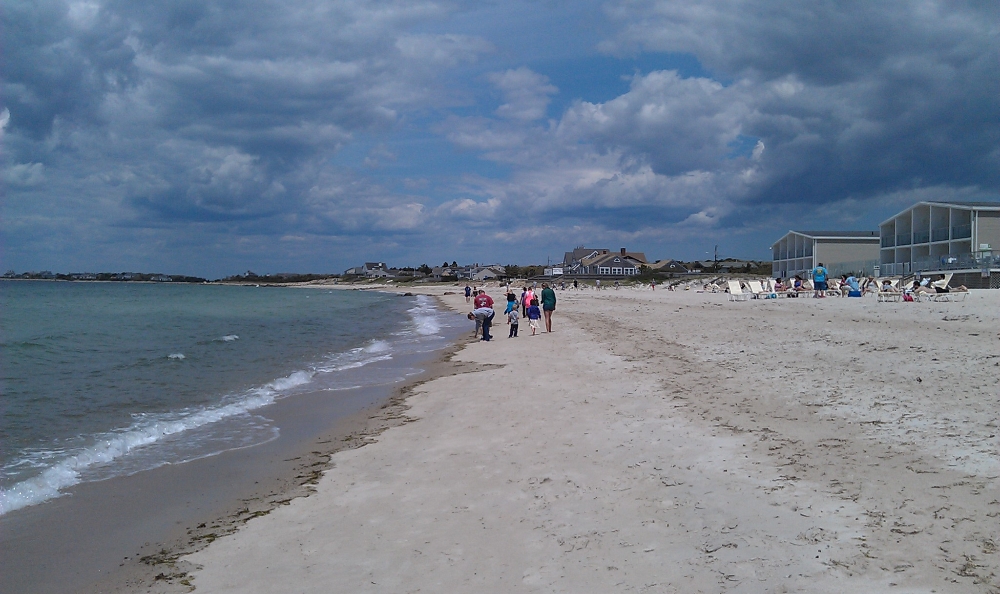
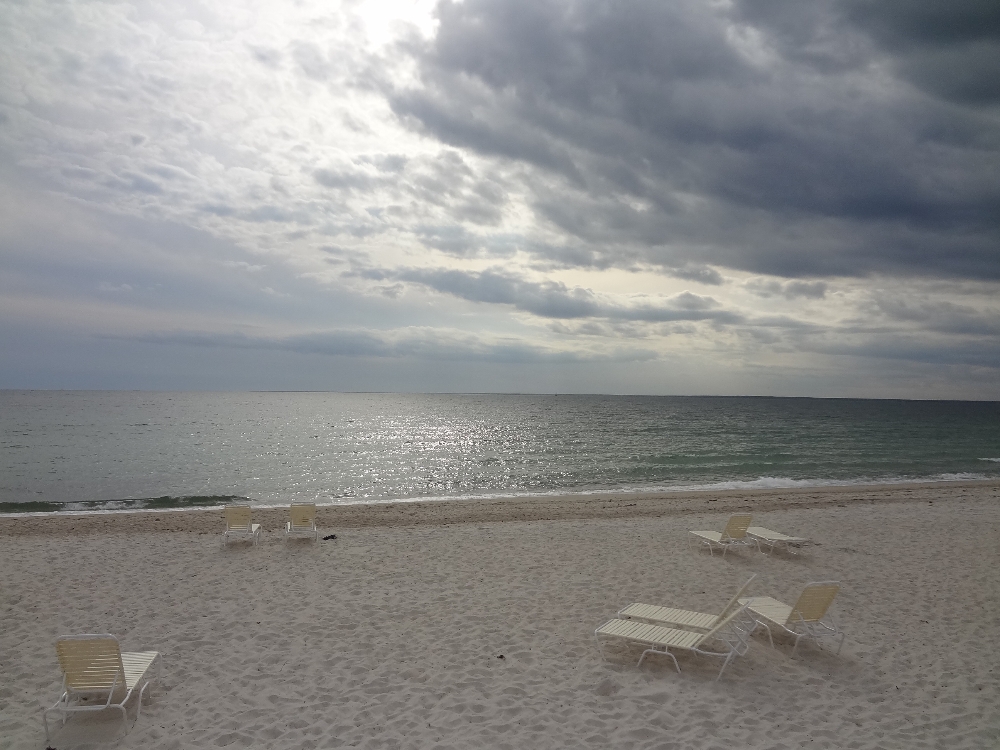
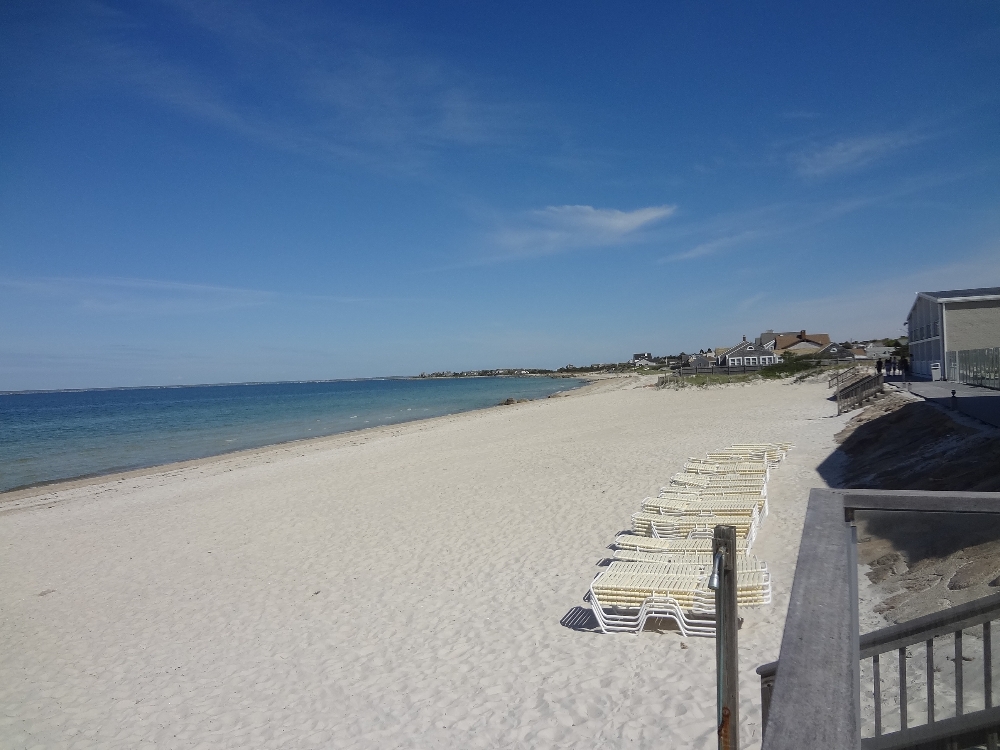
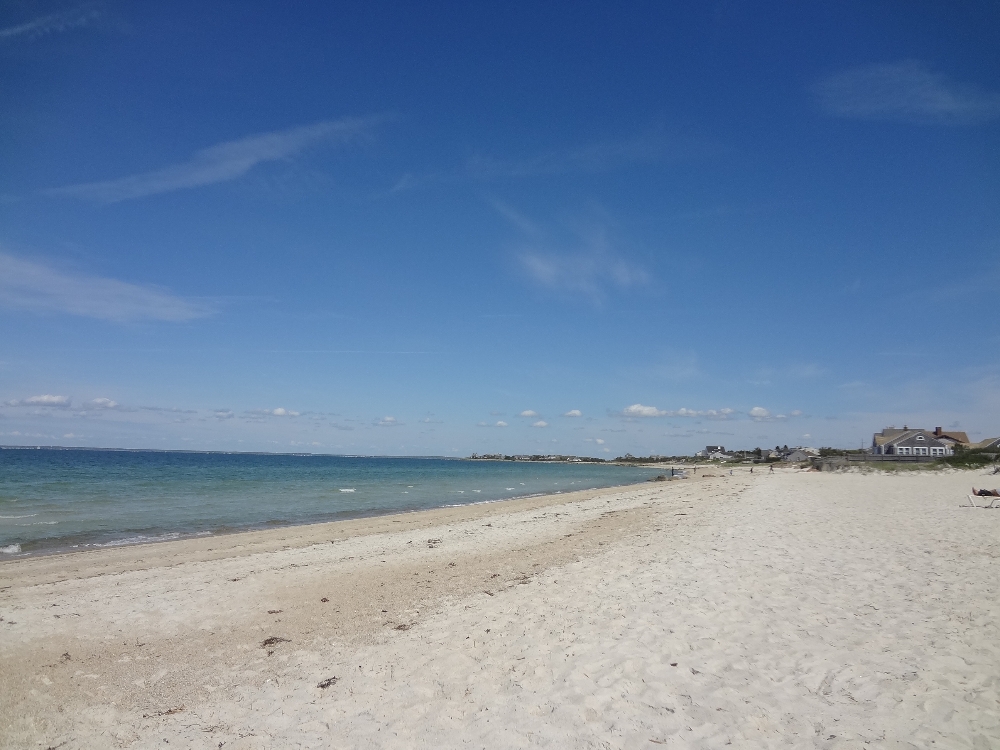
After a long Spring semester and very long weeks leading up to Commencement, we took a much-needed getaway weekend on Cape Cod. Brian found a place in Falmouth (Sea Crest Beach Hotel at Old Silver Beach) which gave us exactly what we wanted: easy access to a quiet beach where we could sit and read and listen to the ocean. It was incredibly relaxing and refreshing!
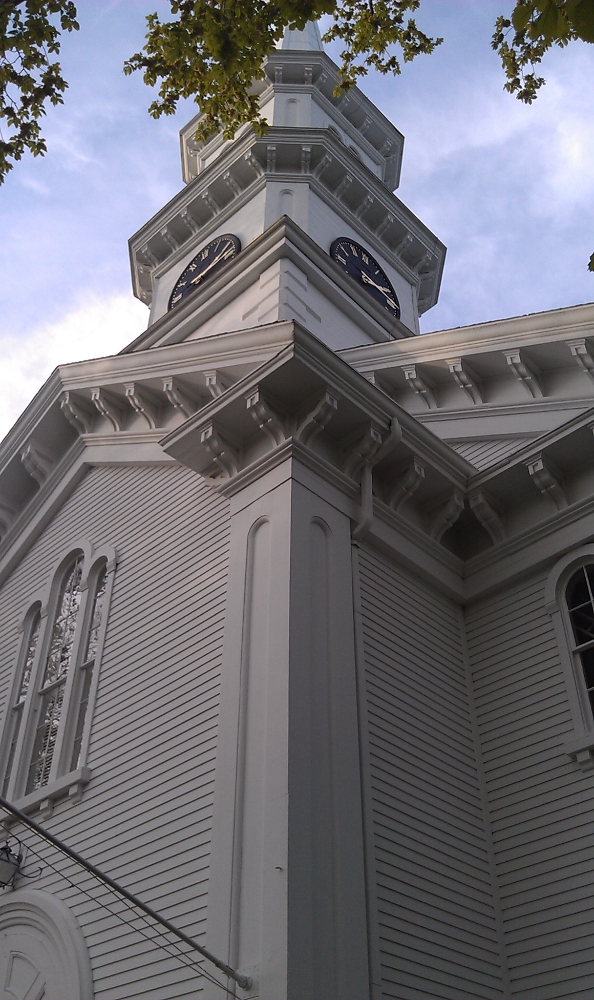
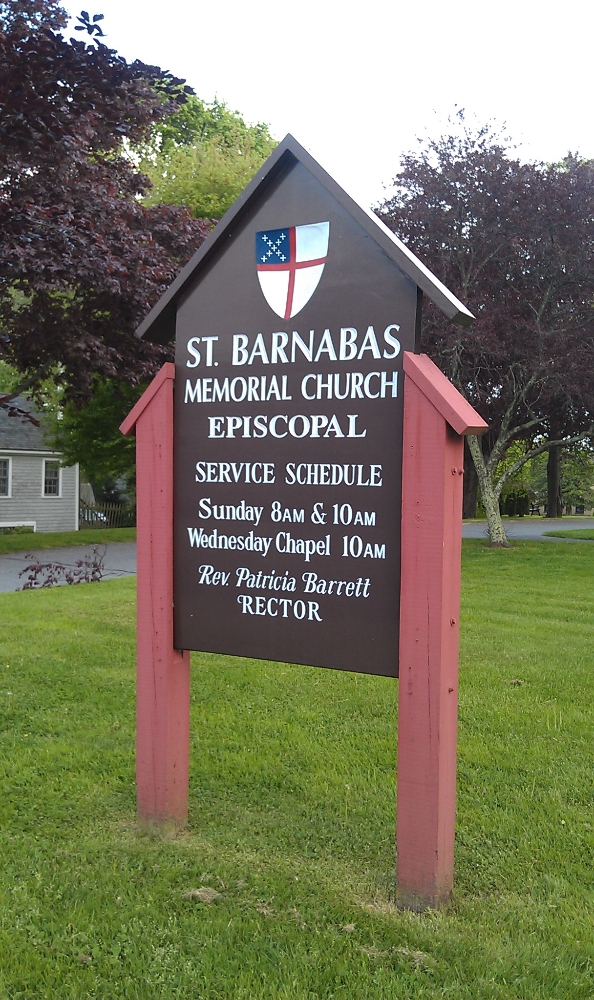
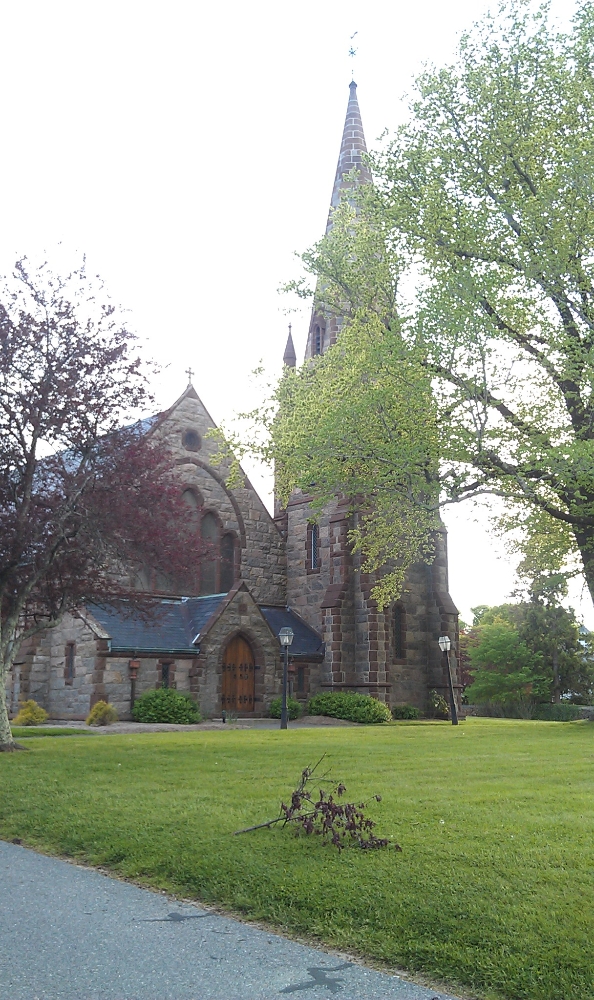
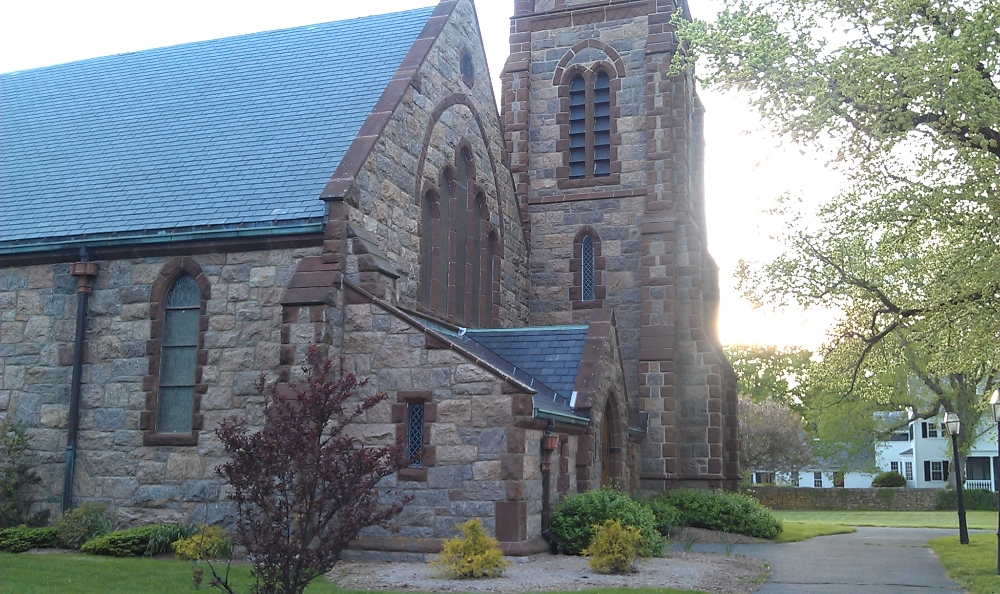
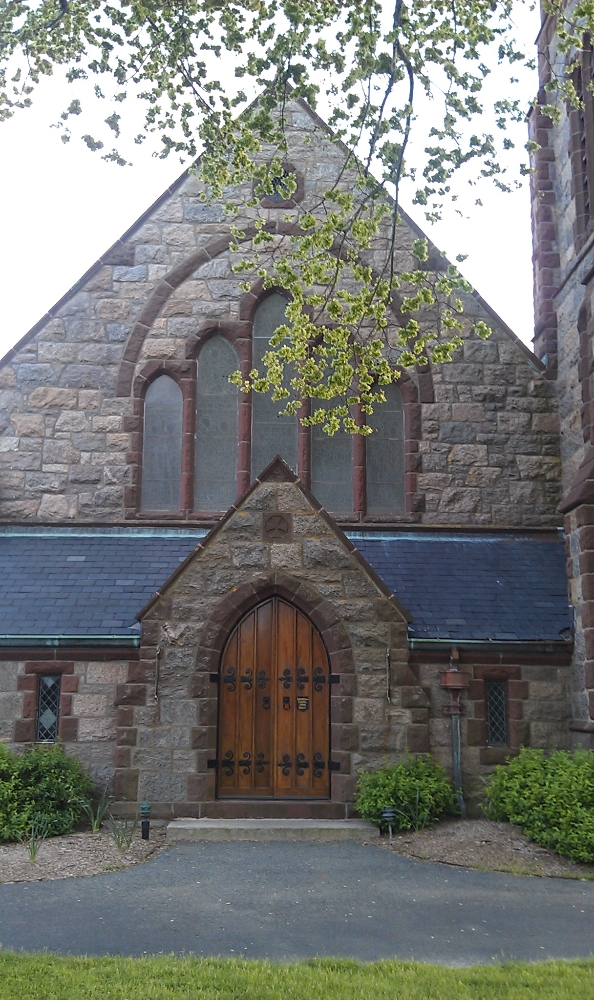
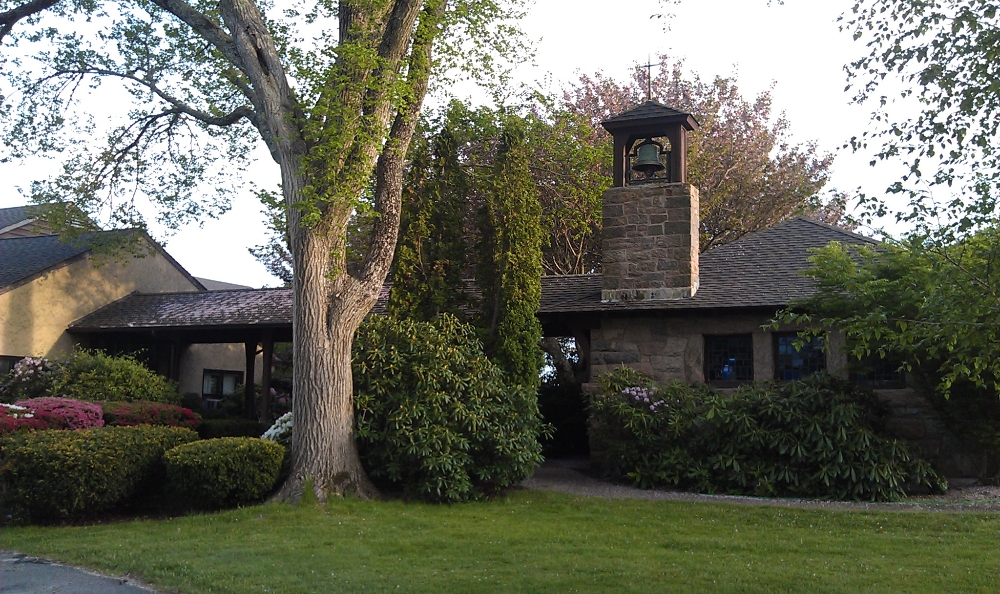
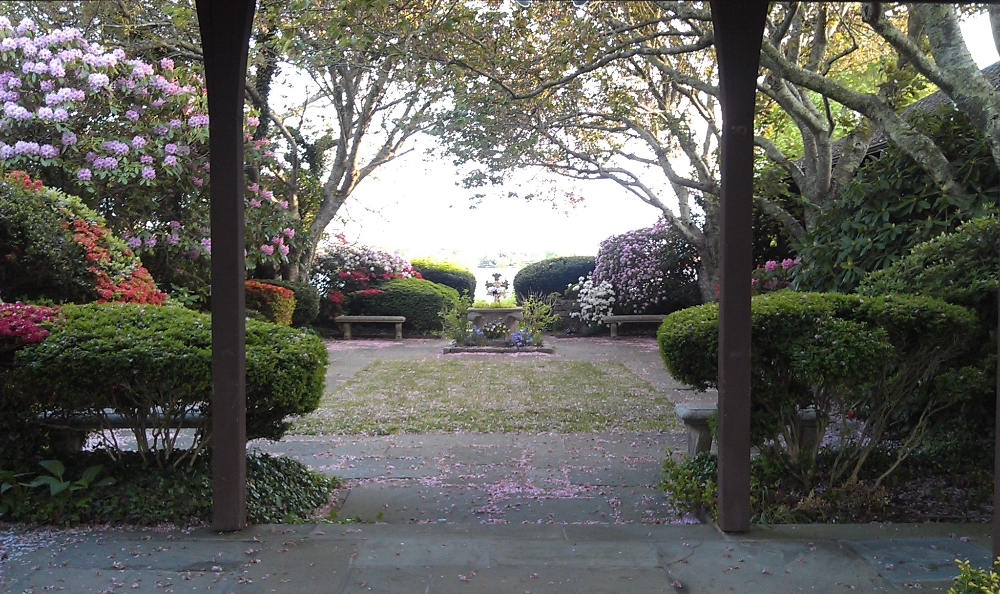
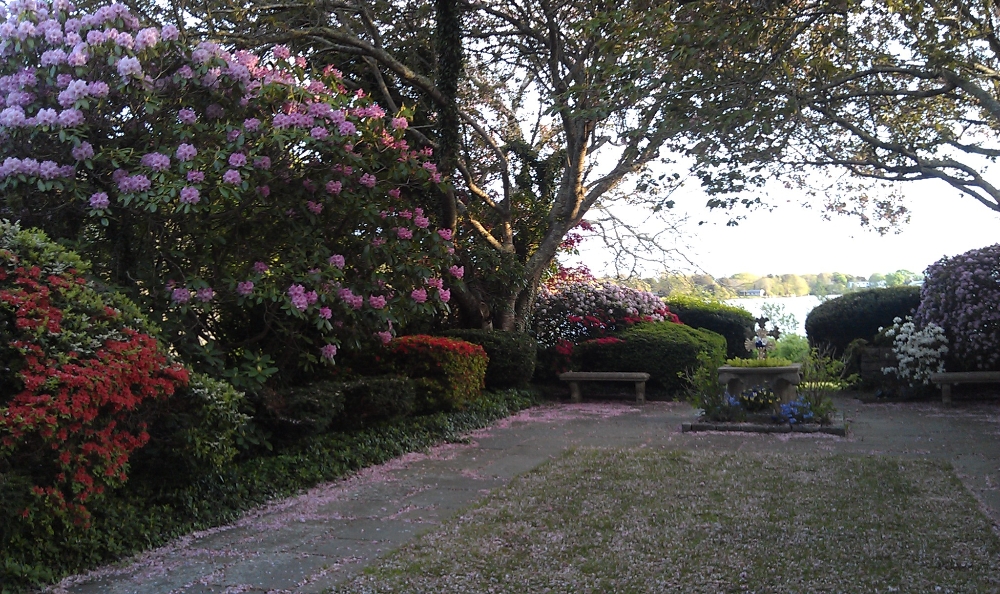
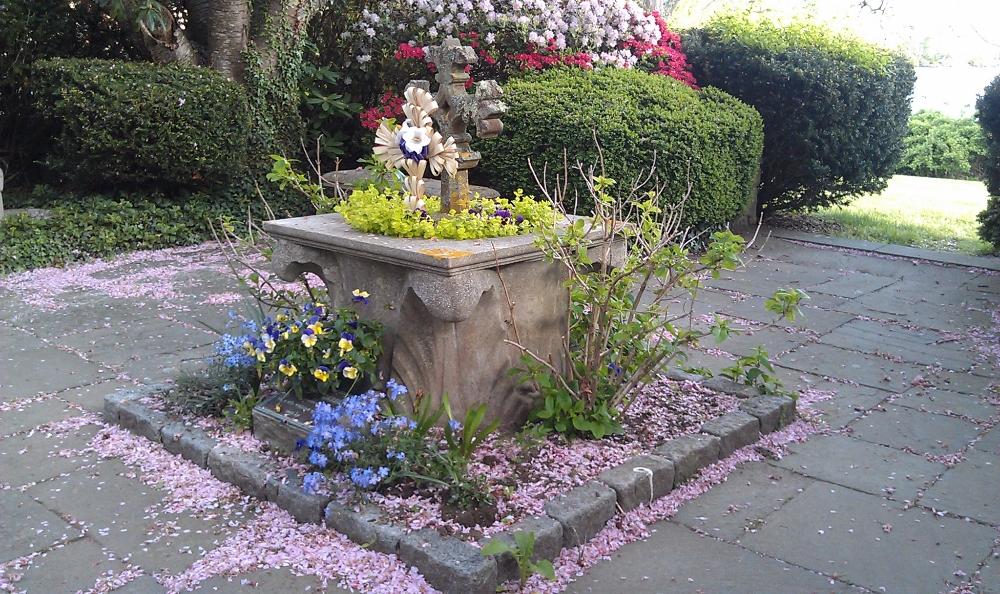
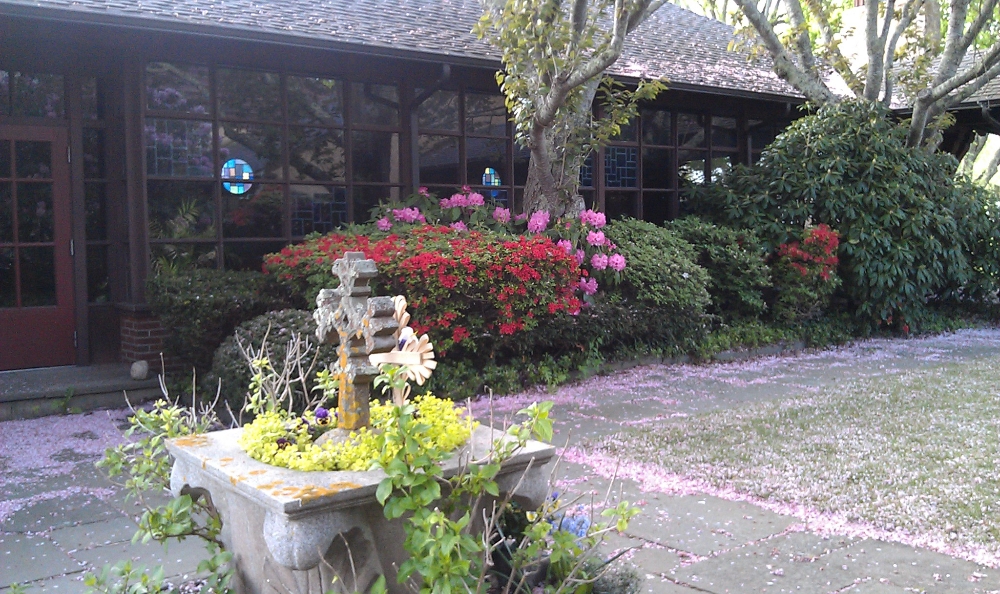
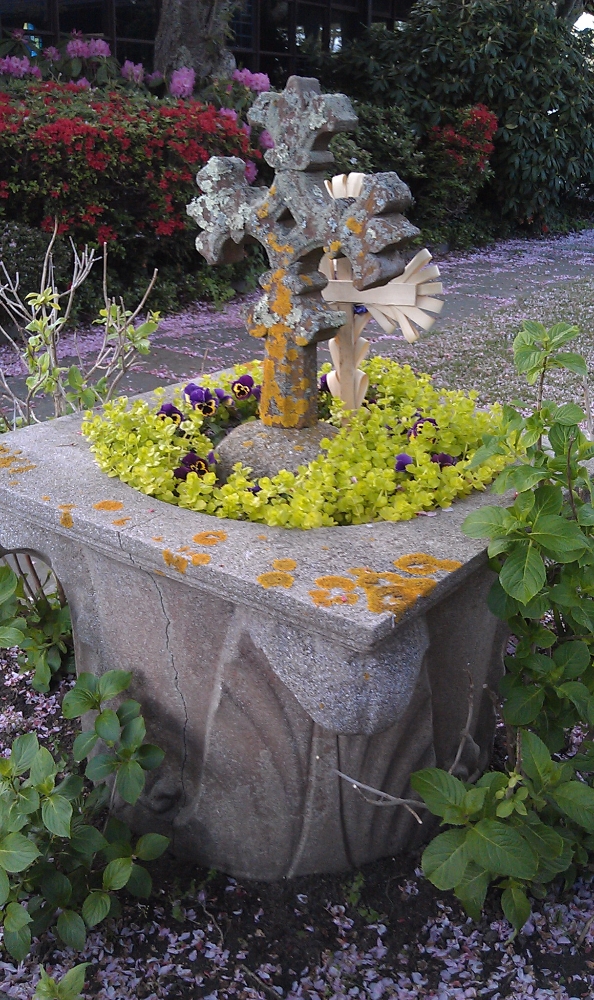
Some of the photos below are from two churches that we saw while we were wandering around before an incredible dinner at the Glass Onion in Falmouth. We could hear the organist practicing as we got closer to St. Barnabas Episcopal Church, so we wandered around and discovered a beautiful little secret garden next to a chapel behind the church. There was no one else around and it was almost as if it appeared out of nowhere!
After a nice long Sunday morning reading on the beach with my coffee, we took a drive further down the Cape towards Chatham, passing through a memorable stretch of Rt 28 in Yarmouth where I’ve stayed a few times. Of all the little towns with cute little shops and galleries, Chatham is one of my favorites. We hit a few little gems – Yankee Ingenuity, Chatham Art Gallery – gazed longingly at the Impudent Oyster where we had an incredible meal last year, and then turned around and headed back to Boston.



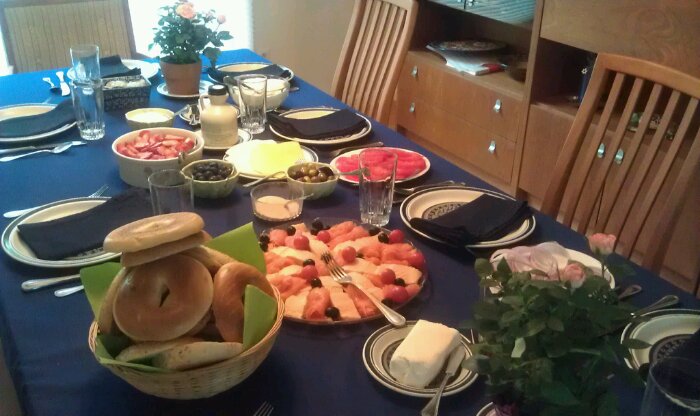
Tons of delicious food for a wonderful Mother’s Day Brunch.
Also, here’s some photos from a very memorable Mother’s Day 2011, when we got our parents and grandparents together for the first time.
[Not a valid template]The MFA has outdone itself again. Instead of yet another exhibit of pretty paintings (which I wouldn’t have minded), they are currently hosting a phenomenal exhibit of Samurai armor (my photoblog entry from the exhibit). They have done a stellar job of displaying this collection, but they didn’t stop there. They partnered with a comic book artist who draws samurai, and a video game company that animates samurais from the comic book. In doing so, they have brought together a magnificent ancient Japanese craft, a truly talented comic book artist, and the under-appreciated art of video game animation and given us the opportunity to consider how all three art forms relate to eachother.
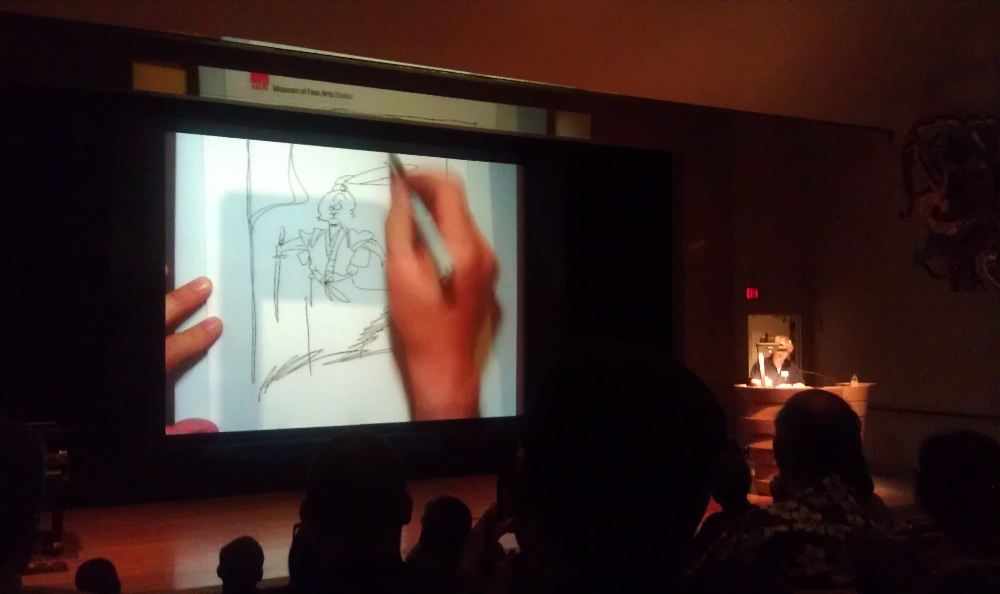
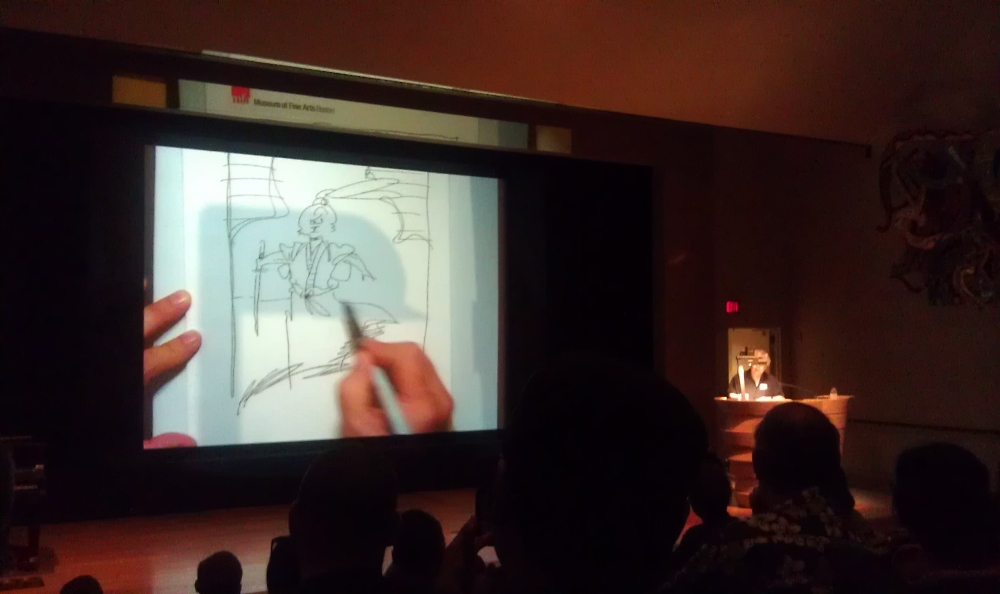
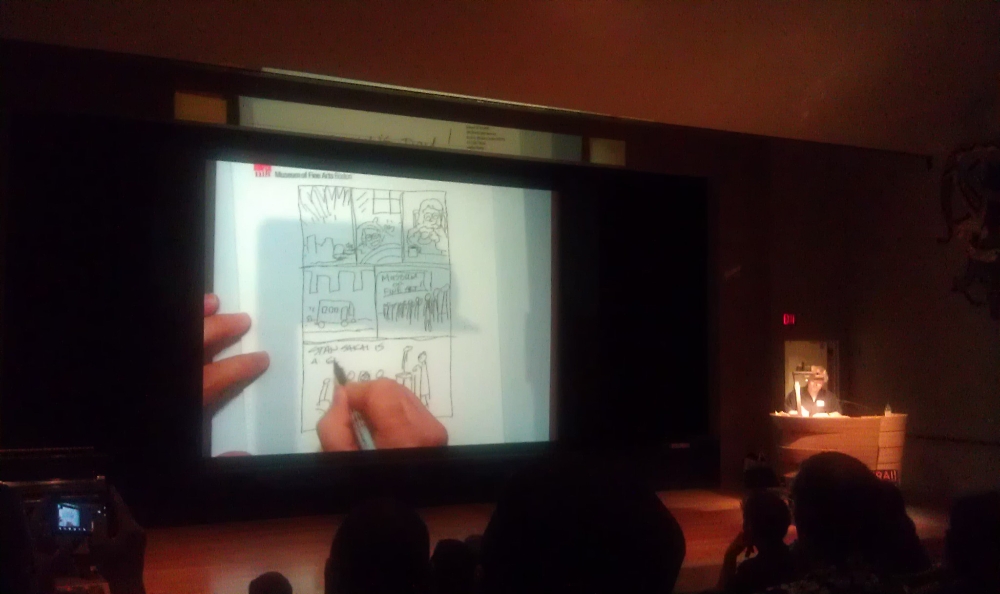
Stan Sakai is the writer and artist of Usagi Yojimbo, a comic book series about a samurai rabbit. Brian has been a big fan of this series for a very long time, so were right there with all the other geeks and nerds at the front of the line waiting to hear him speak. But Stan did more than just talk about his process. He showed us. They set him up at the podium with an overhead projector, and while he talked to us like we were all old friends, he was also drawing and doodling on MFA letterhead. We watched his characters come to life right before our eyes. It was truly an honor to watch the master at work. And he was hysterical.
Before he spoke, we heard from the president of Happy Giant, the video game company that created a Usagi Yojimbo video game, with special content based on the MFA’s Samurai exhibit. The MFA is exhibiting ancient armor, and they partnered with video game animators, who were in turn partnering with Stan Sakai, and the result is a samurai rabbit animated in authentic Japanese armor. Hopefully, this is the future of artistic collaboration.
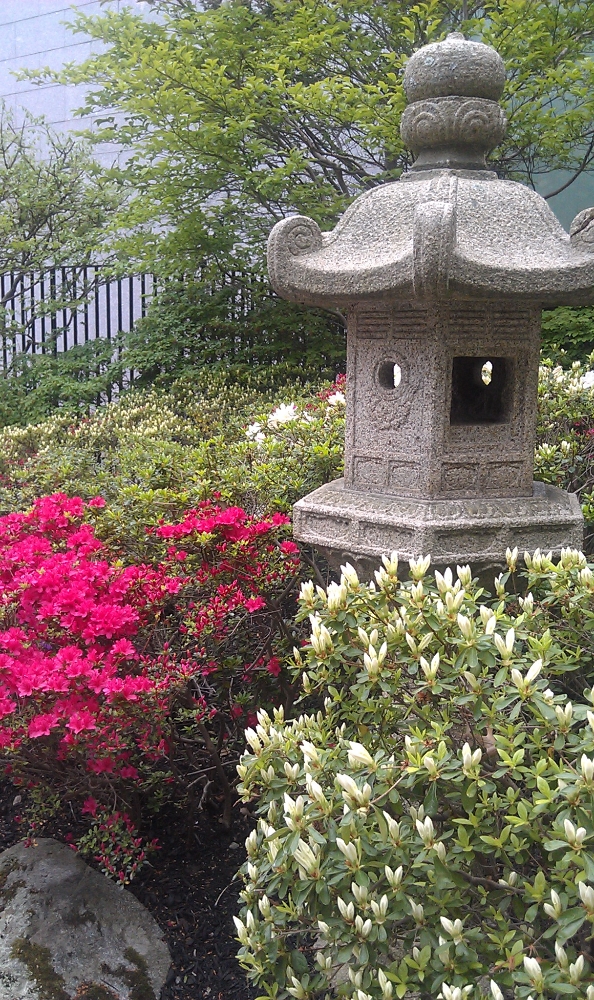
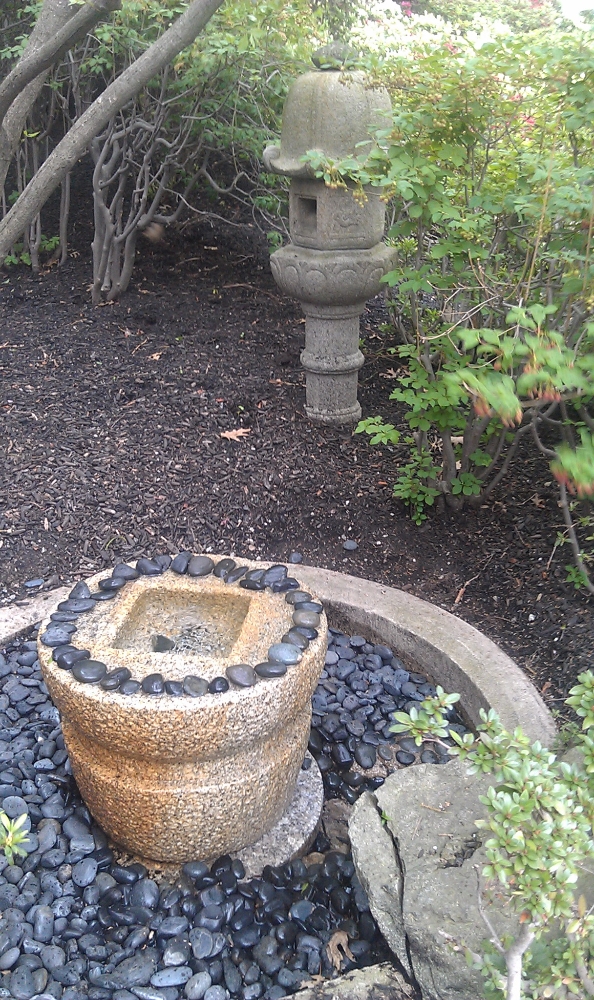
After picking up a few special items for our moms at the gift shop, we visited the MFA’s Japanese garden to round out our visit.



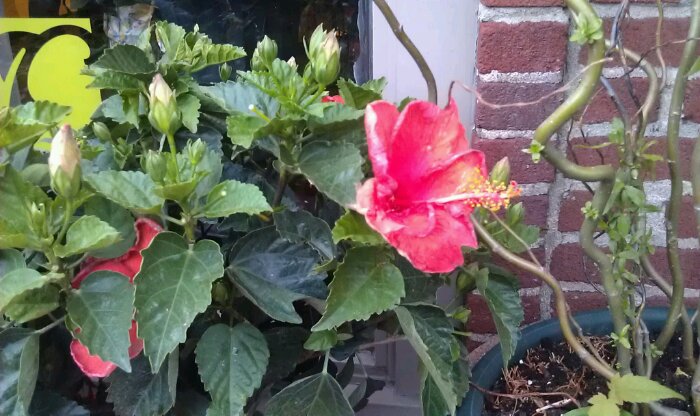
Snapped a quick picture of a really pretty flower in front of New Leaf, which is right next to Ten Tables where Merry and I celebrated our birthdays (2 days apart) together for the 20th time. The two of us and our boys had an incredible meal!
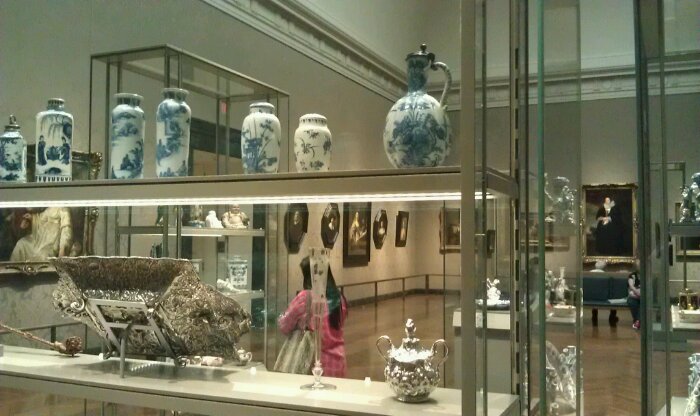
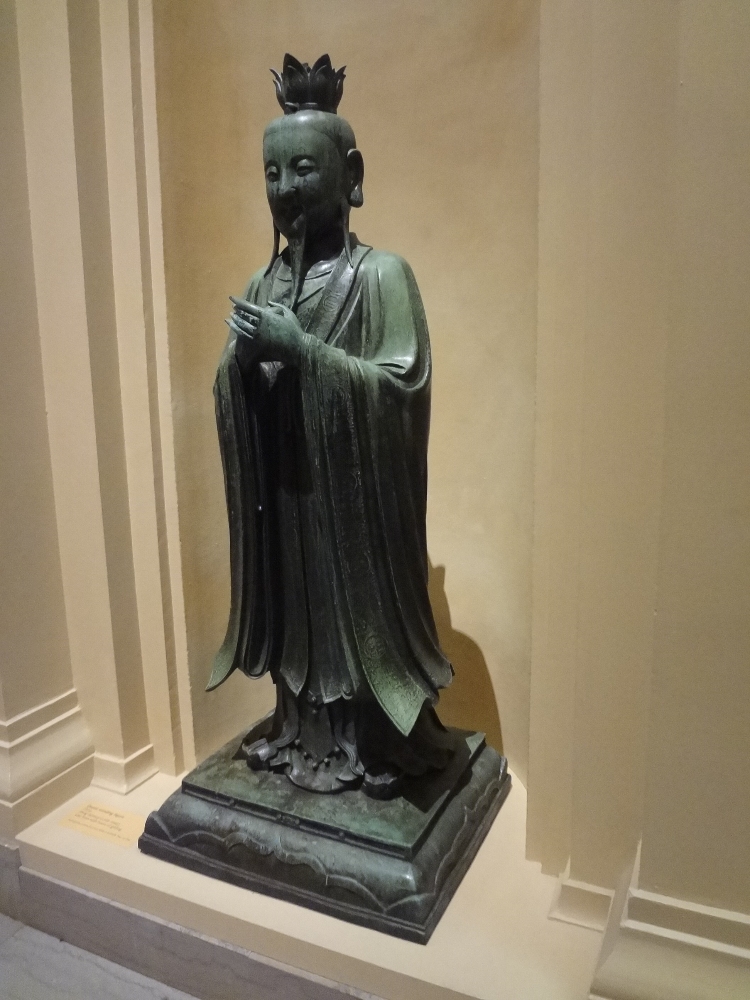
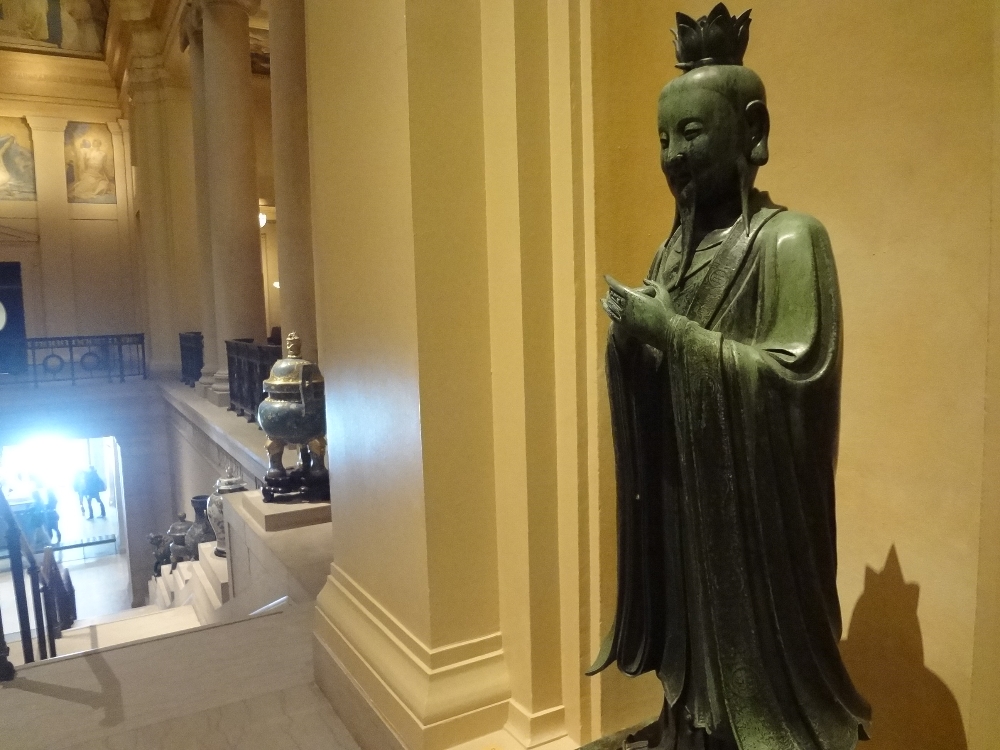
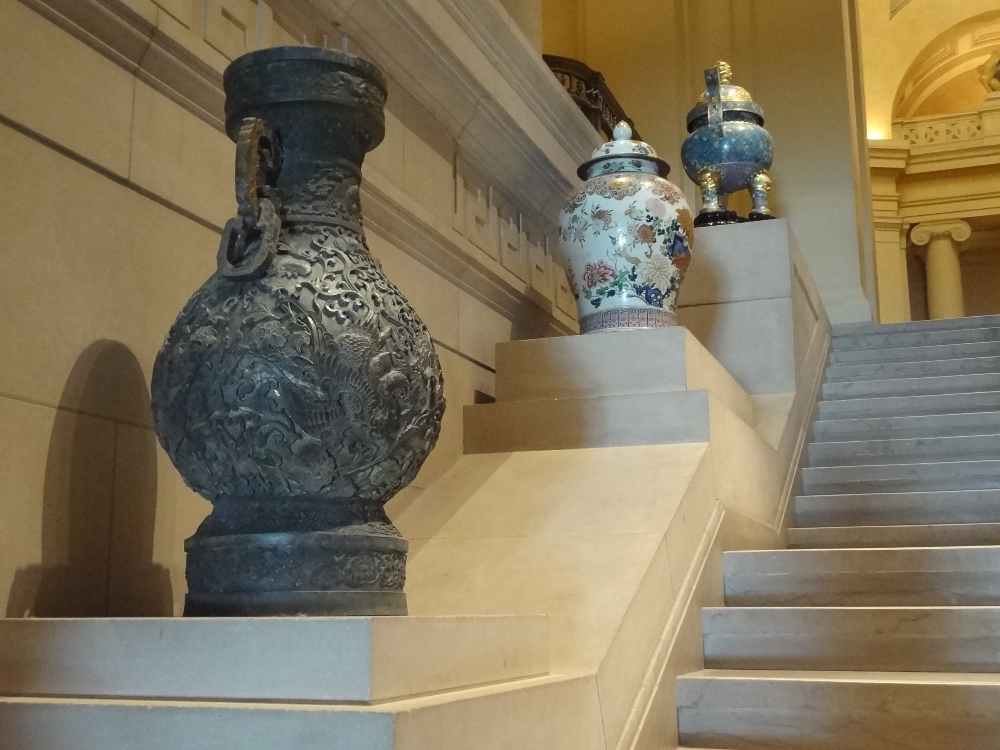
The MFA has renovated a gallery of Dutch paintings and added a few cases of gorgeous vases and plates etc. I love being able to see something that I’ve seen before in a new light.
[Not a valid template]We have adopted Cinco de Mayo as our own personal holiday because it falls between our birthdays (which are two weeks apart), and we met at a Cinco de Mayo party six years ago.
Our sangria came out pretty good this year, so here’s the recipe (thanks Lauren!)
Combine and chill 2 bottles red Spanish Rioja wine, 1 cup brandy, 1/2 cup lemon juice, 2/3 cup orange juice , 1 cup triple sec, 1/2 cup sugar, 1 lemon, sliced, 1 lime, sliced, 1/2 orange, sliced. Serve over ice and enjoy!


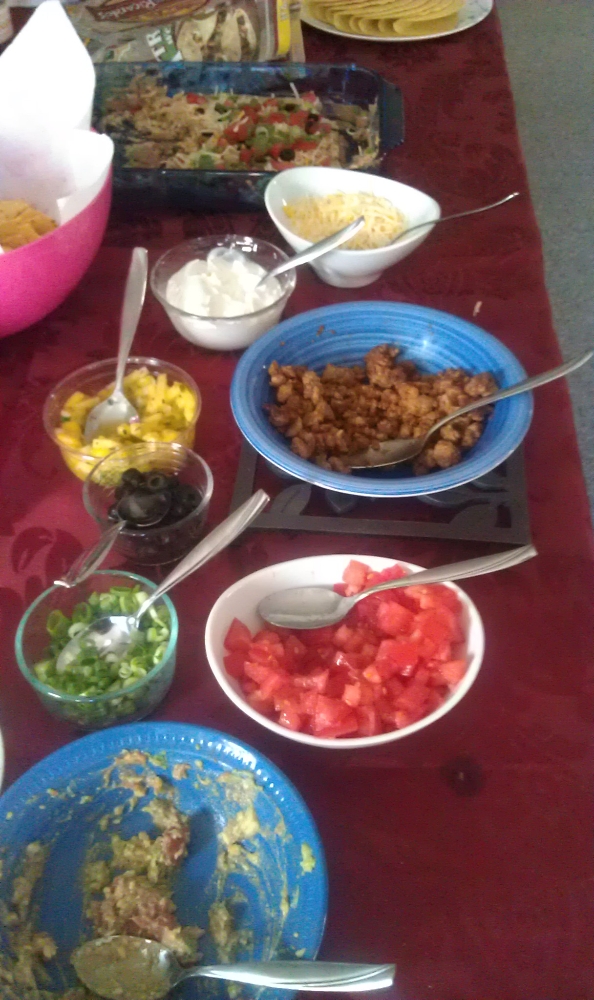
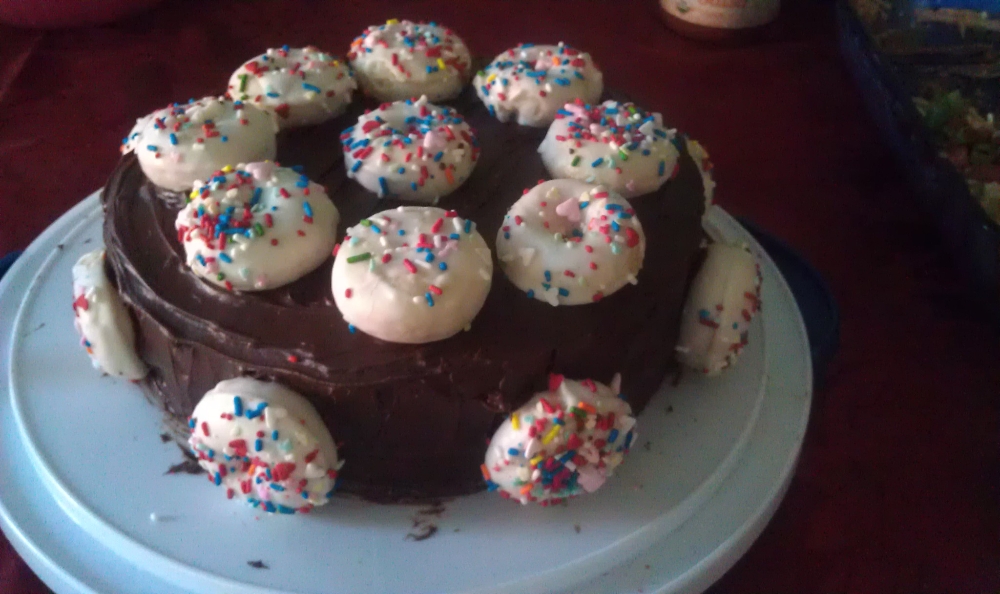
Also, here’s some awesome photos from a very memorable Cinco de Mayo in 2011, which was the same day as Merry’s much more memorable surprise party.
And, a blast from the past – Cinco de Mayo 2010 and Cinco de Mayo 2008
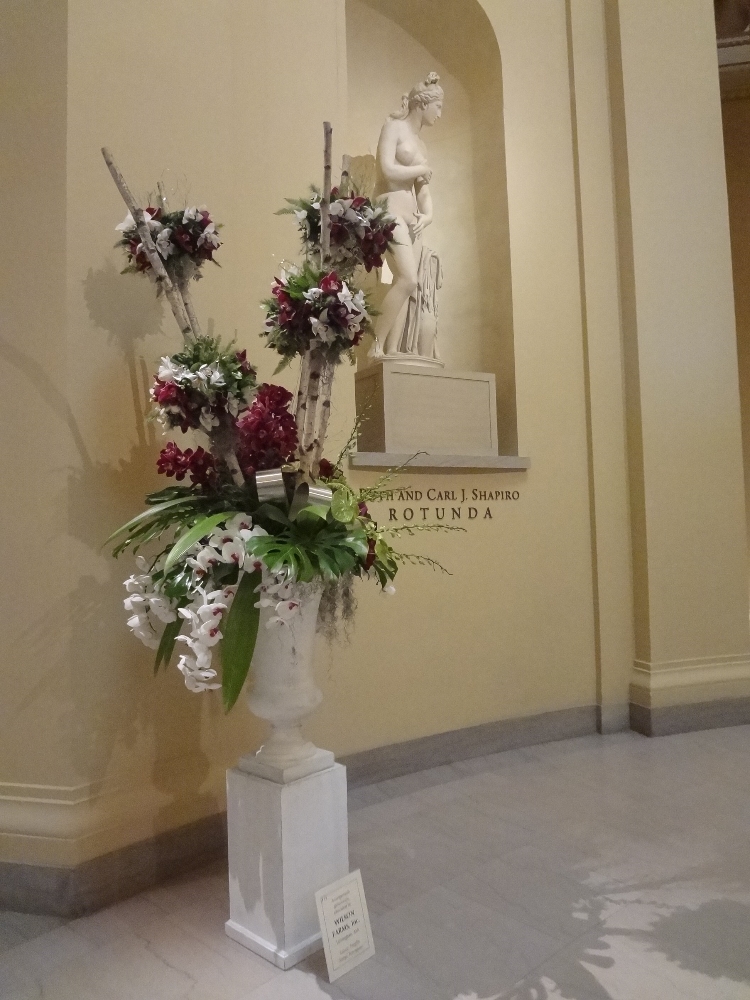
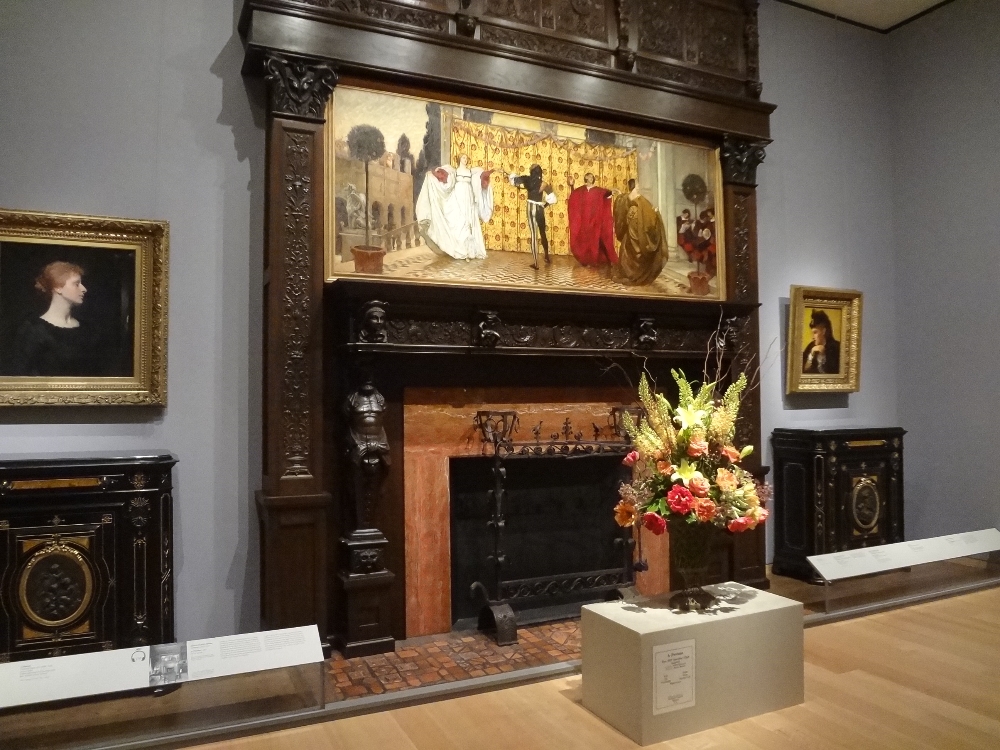
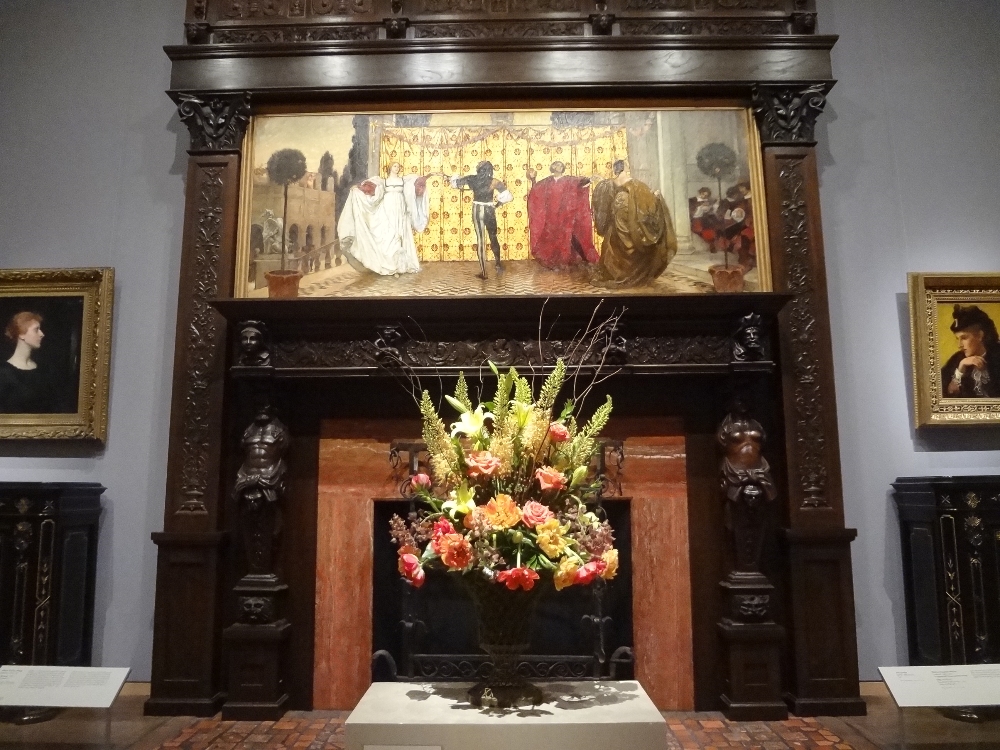
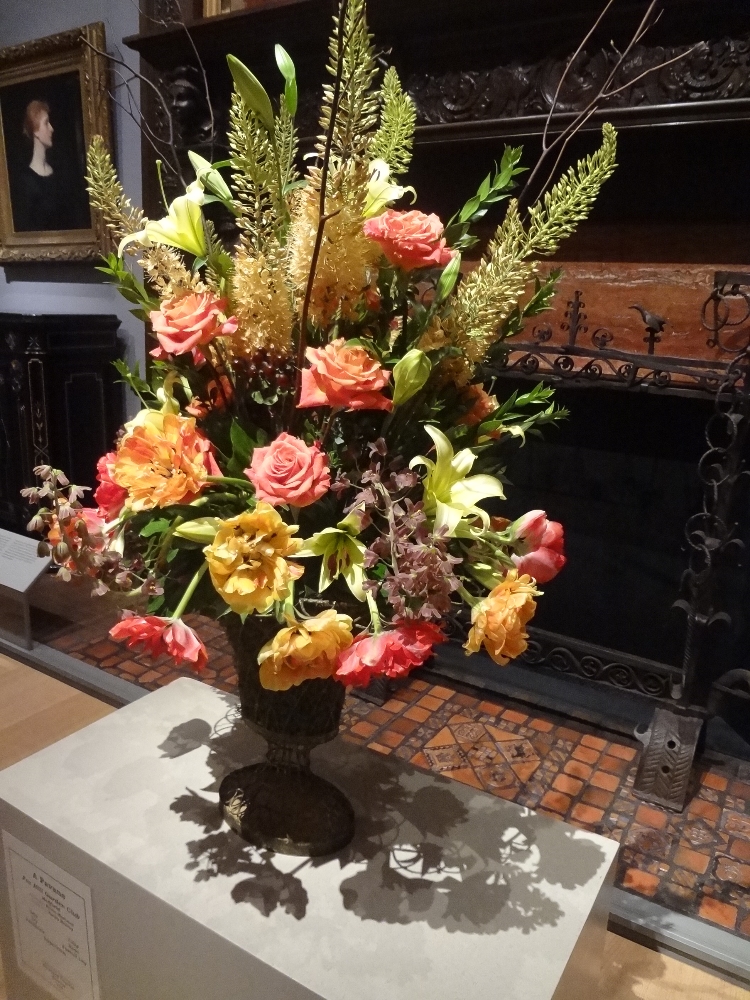
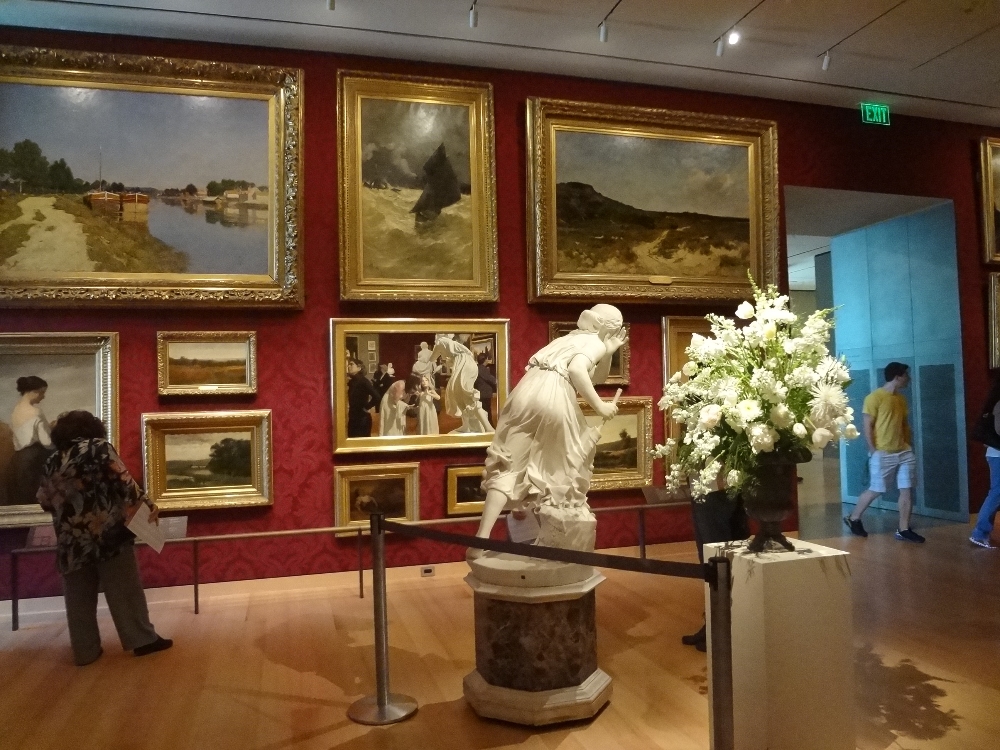
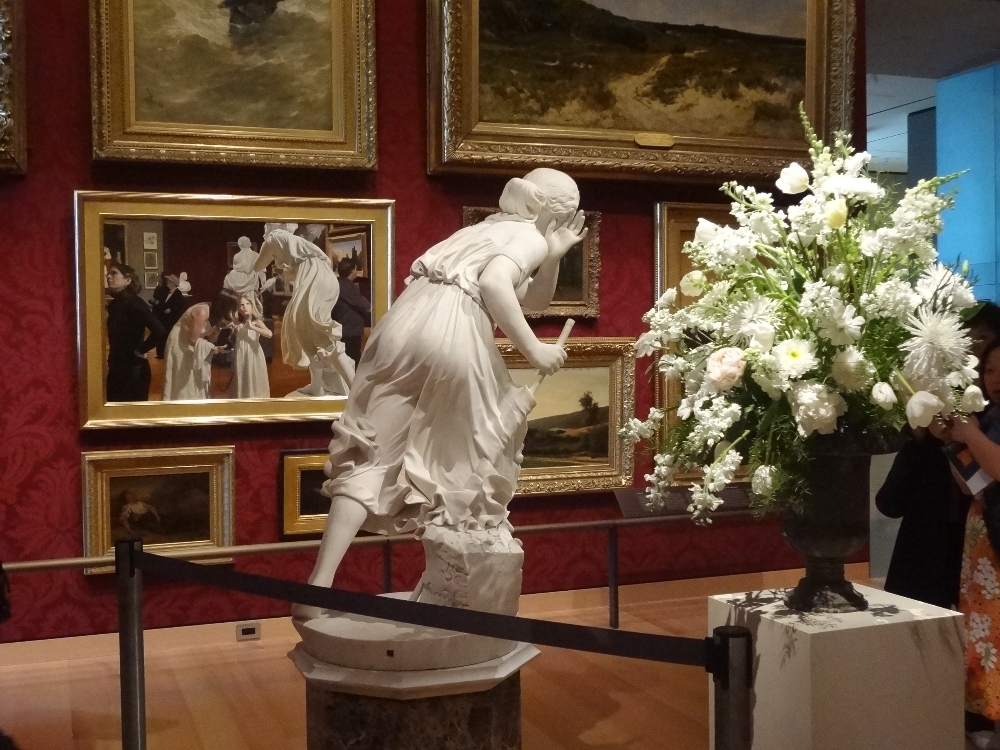
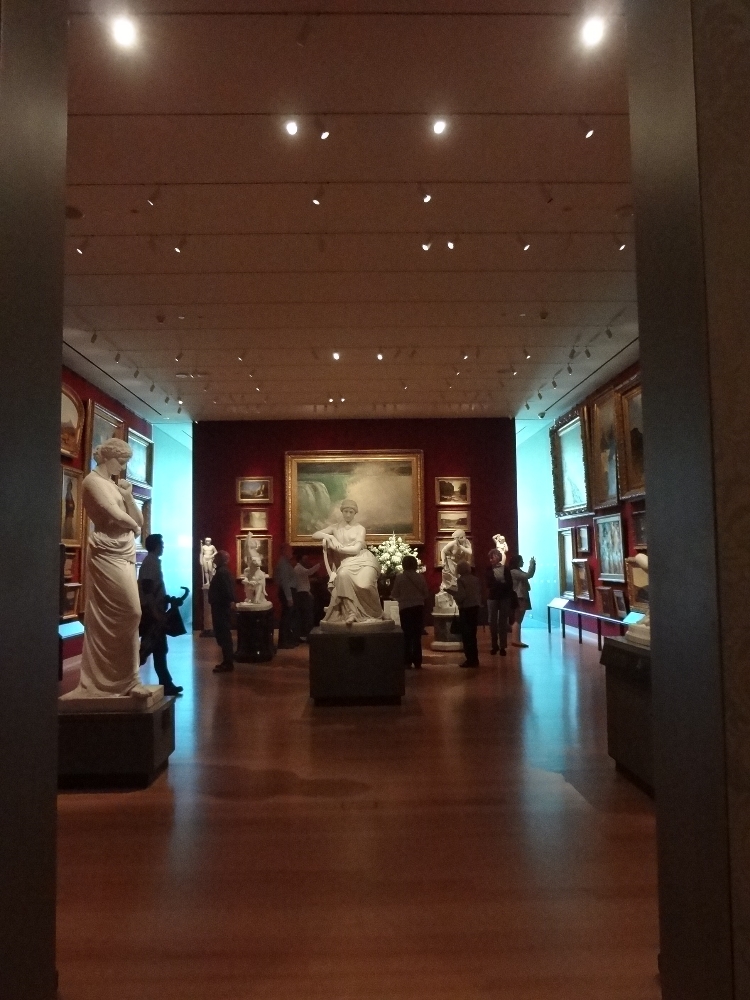
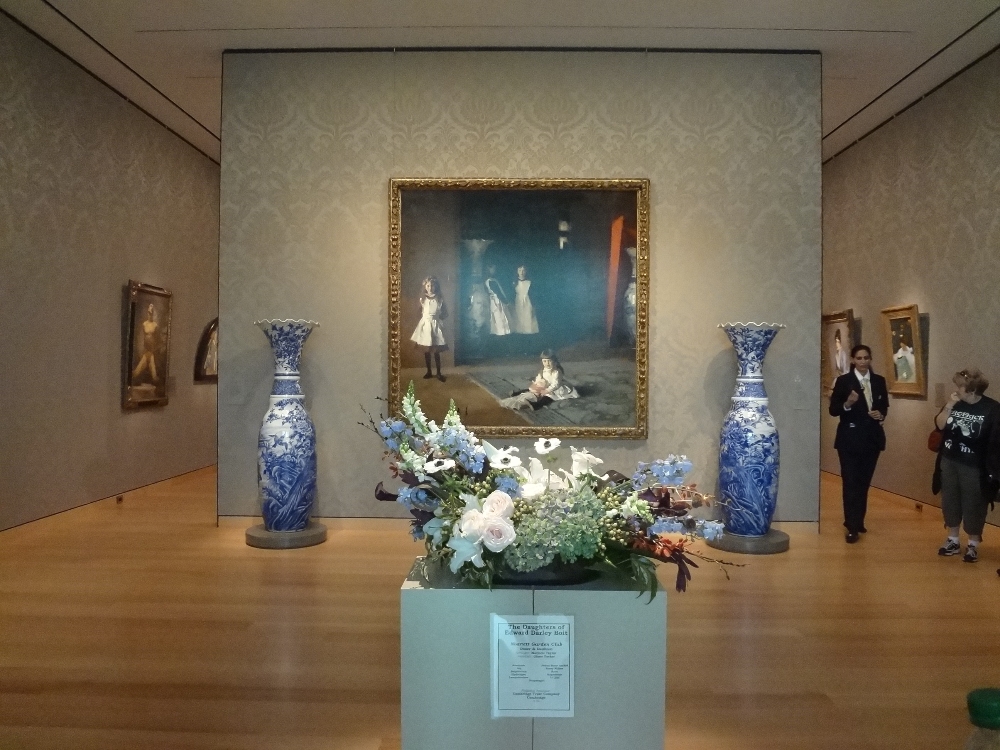
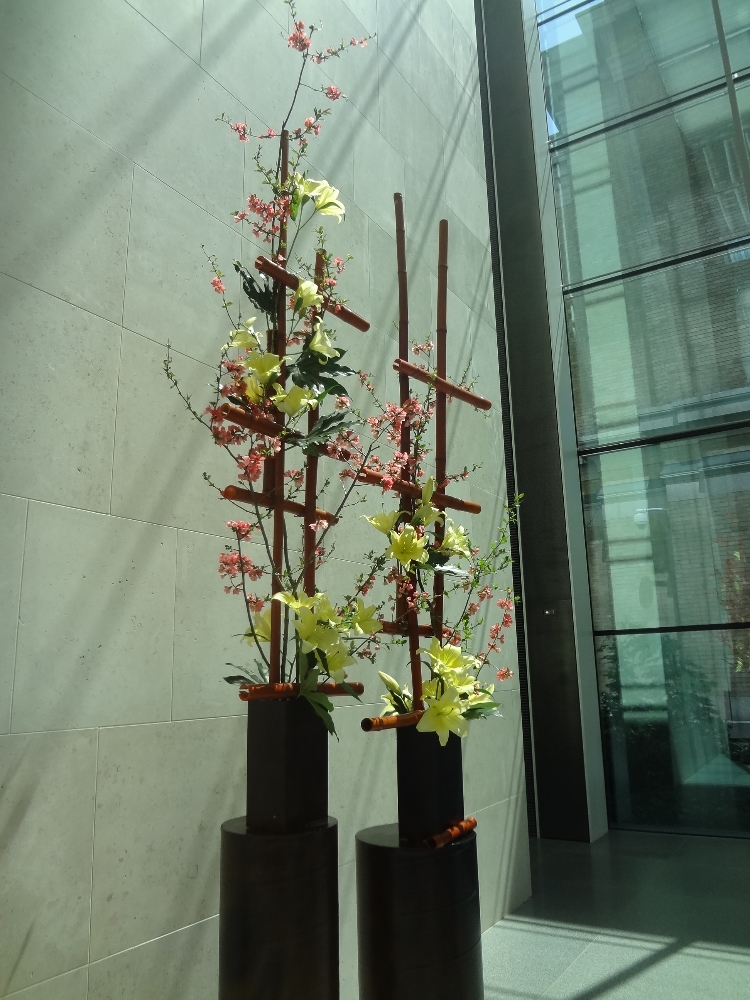
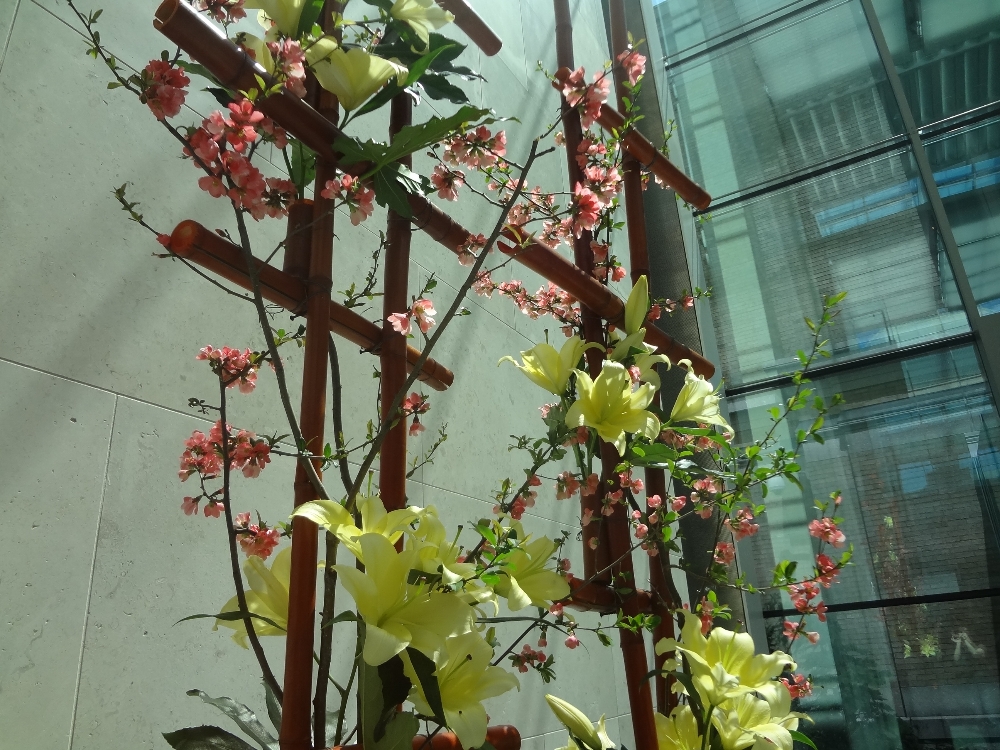
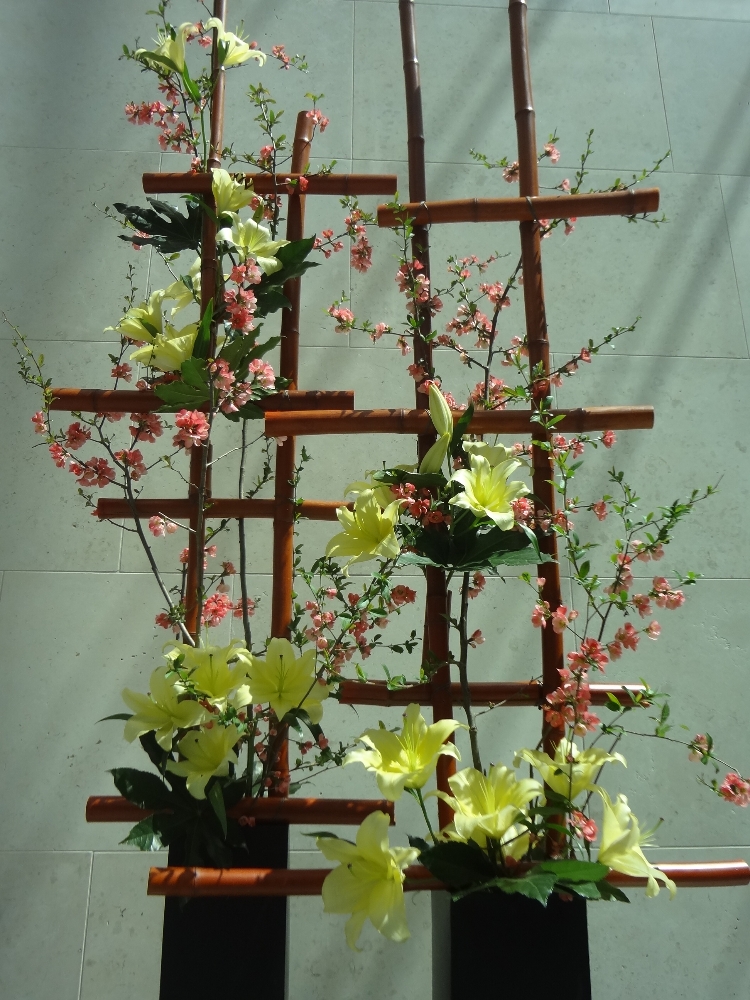
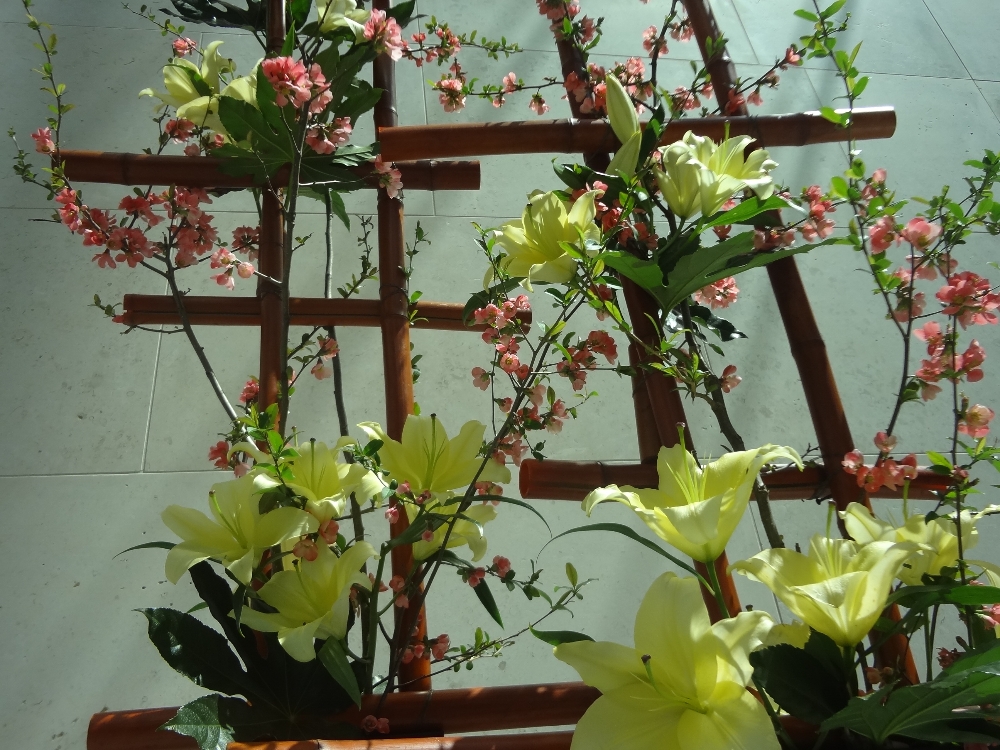
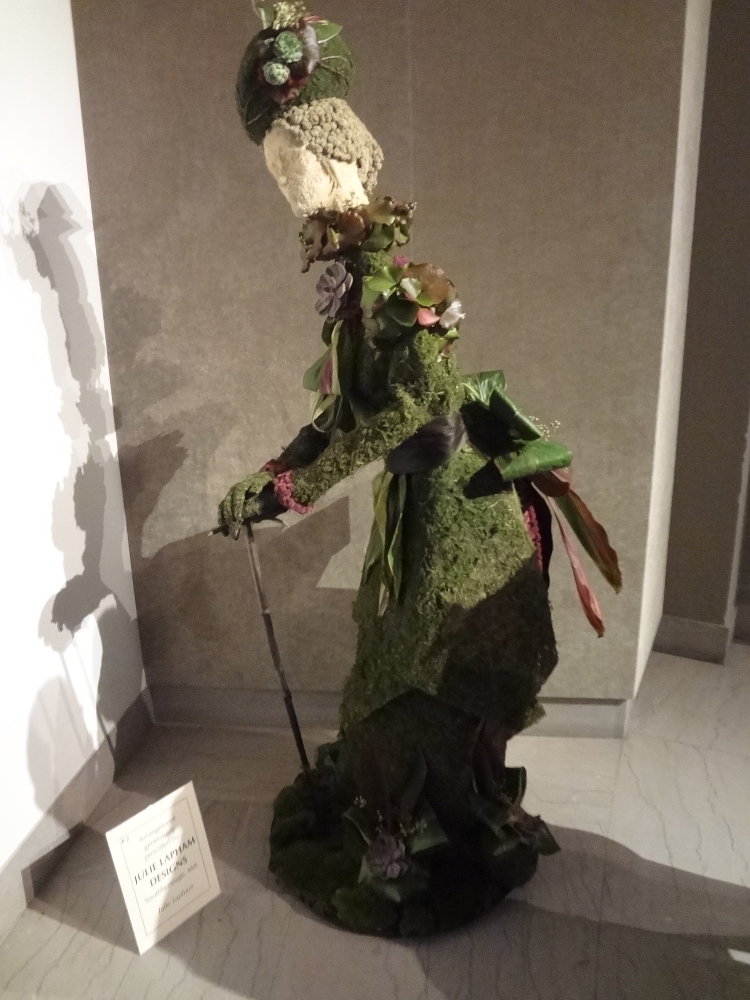
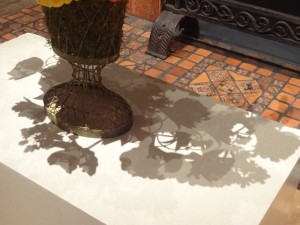 It was a madhouse at the MFA today. Gorgeous day, the semester’s almost over, the terrorists have been caught, the Samurai exhibit just opened, the Michelangelo exhibit just opened, and Art in Bloom is happening. For three days, gorgeous floral displays are placed throughout the galleries near the work of art that they were designed to be displayed with. They’re absolutely gorgeous, and it draws a huge crowd. In fact, I left just as a huge school group was arriving.
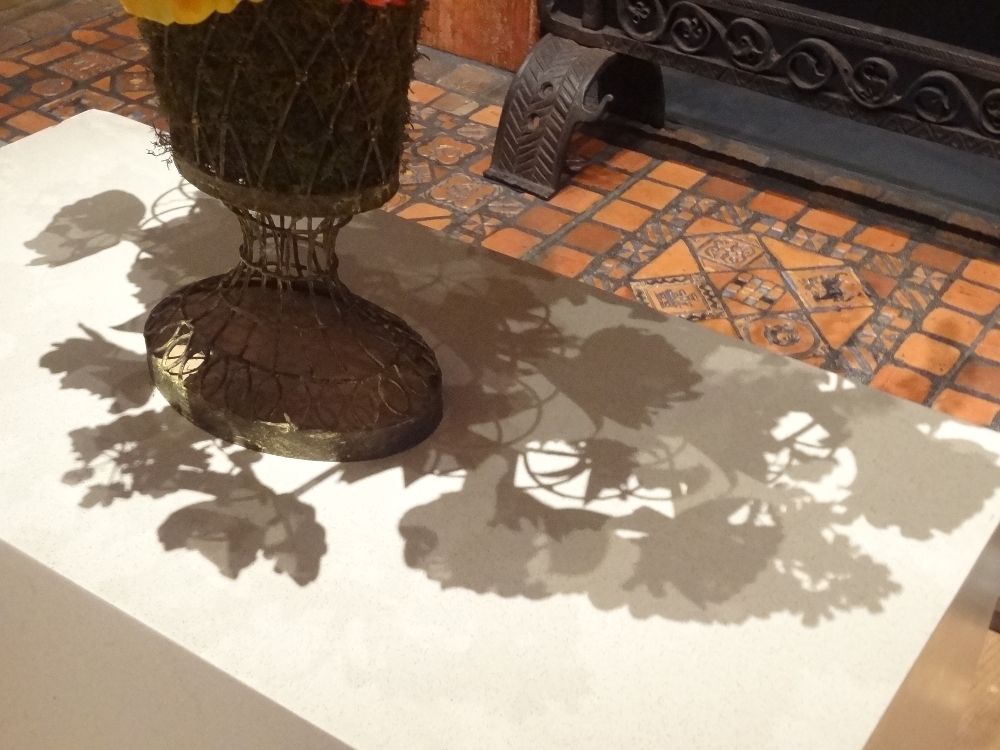
If I could have avoided the crowds, I would have, but I couldn’t wait another day to see Michelangelo’s drawings. Usually, I miss out on seeing Art in Bloom because I would rather avoid the crowds, but this year, I was right there with all of the other ladies oohing and aahing and taking pictures. The flowers were gorgeous, but my favorite shot from this group is the one on the right. The pattern created by the shadows of well-lit flowers, juxtaposed with the tile pattern of the fireplace behind it, took my breath away.
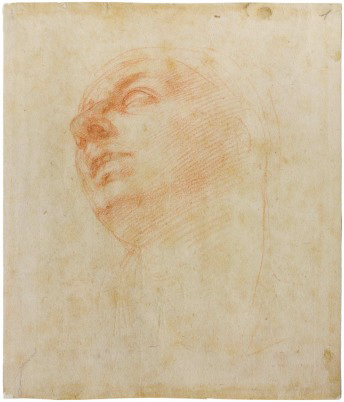
Michelangelo, Study for the Head of the Madonna for the Doni Tondo, 1508,Casa Buonarroti, Florence. Photo Source: mfa.org
This past Tuesday, the Museum of Fine Arts opened an exhibit of 26 drawings by Michelangelo, borrowed from the Casa Buonarroti in Florence. I had to wait five whole days before I could get over there to see the exhibit. It’s an extremely rare treat to see works by Michelangelo in the United States, not to mention in my own neighborhood.
Thank you to the MFA for exhibiting Michelangelo’s Drawings and giving me the chance to notice an interesting connection between two unrelated works.
When I saw the drawing on the right at the MFA, my first thought was of the figure of Jonah on the Sistine Chapel Ceiling. When I read the label, I realized my mistake. It’s a study for the Doni Tondo, Michelangelo’s painting of the Holy Family for the Doni family. But was I wrong?
According to the Uffizi’s website, Michelangelo painted the Doni Tondo in 1506-08, and according to Casa Buonarroti’s website, the drawing is dated 1508. So it’s quite likely (and who am I to argue with the scholars) that this drawing is a study for the figure of the Madonna for the Doni Tondo.
But Michelangelo also started painting the Sistine Chapel Ceiling in 1508, so it’s also possible that this drawing is mislabeled, and it’s actually a study for the figure of Jonah in the Sistine Chapel.
Unfortunately, my theory falls apart when you consider that Michelangelo frescoed the ceiling from one end to the other, and that he started on the other end (the “Noah” end). In 1508, he was still a few years away from painting Jonah.
But … take a close look at the open mouth of the figure in the drawing (above), then take a look at the closed mouth of the Madonna in the Doni Tondo (below left), and the open mouth of Jonah from the Sistine Chapel Ceiling (below right).
You decide.
 |
 |
| Michelangelo, Doni Tondo, 1506-1508, Galleria degli Uffizi, Florence. Photo source: Wikipedia |
Michelangelo, The Prophet Jonah, 1508-1512, The Sistine Chapel Ceiling, Vatican City. Photo source: The Web Gallery of Art |
Shameless self-promotion:
In 2006, I created an interactive exploration of the frescoes in the Sistine Chapel, identifying each figure in each panel. Please click here to visit my Sistine Chapel Project, and to see where Jonah is on the ceiling.
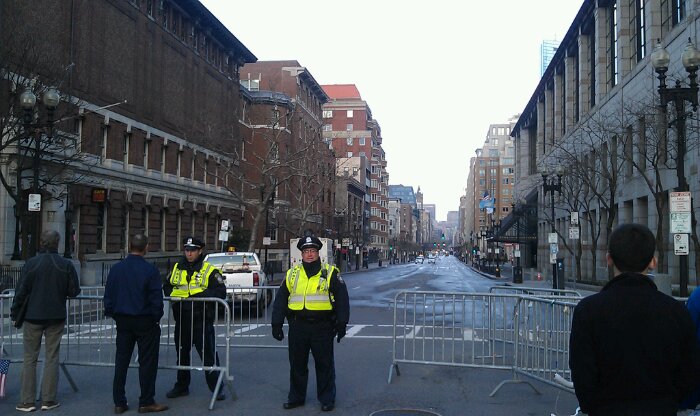
Looking down Boylston Street, which is still blocked off because it is still a crime scene, which is still so surreal …
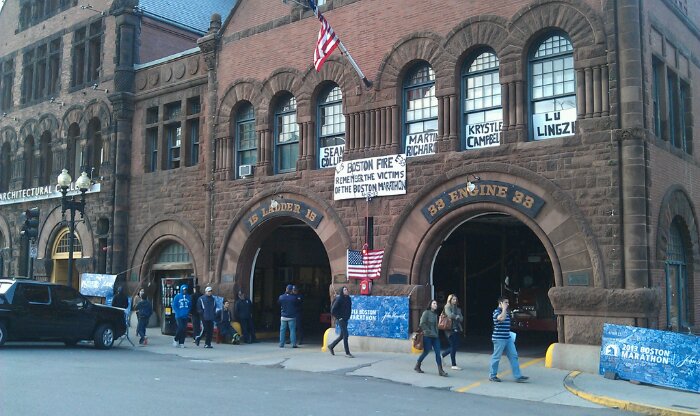
The firehouse on Boylston Street, with Boston Marathon signs crammed with handwritten messages of praise and support.

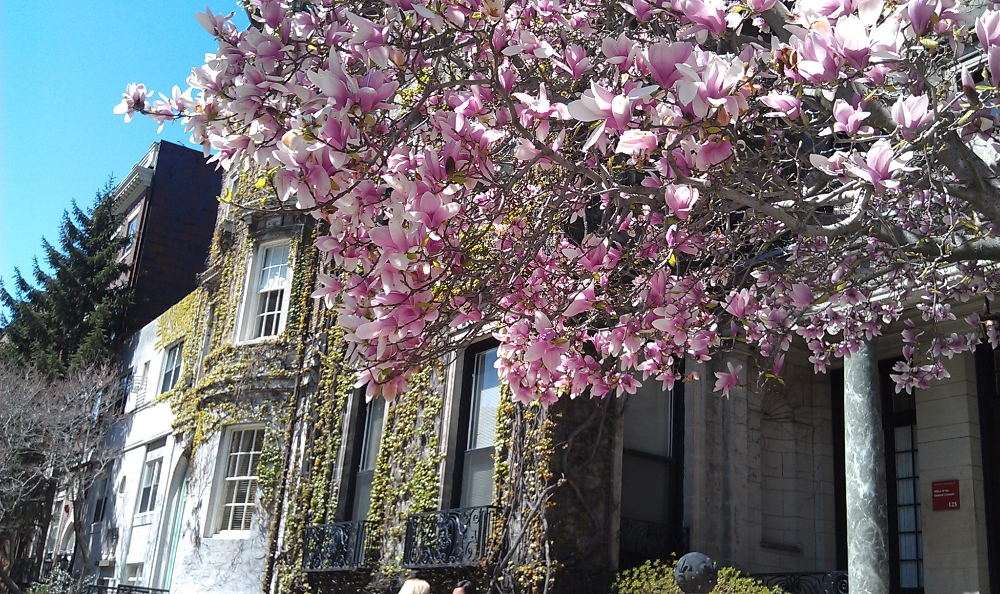
Went for a walk and learned that there are pretty places right near my house. Thank you, Mr. Olmsted.
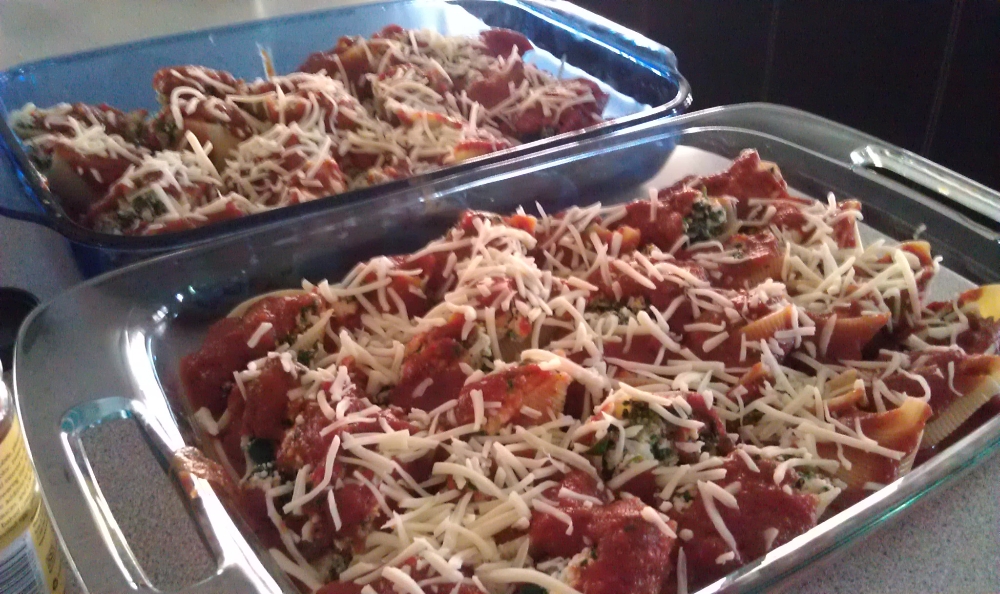
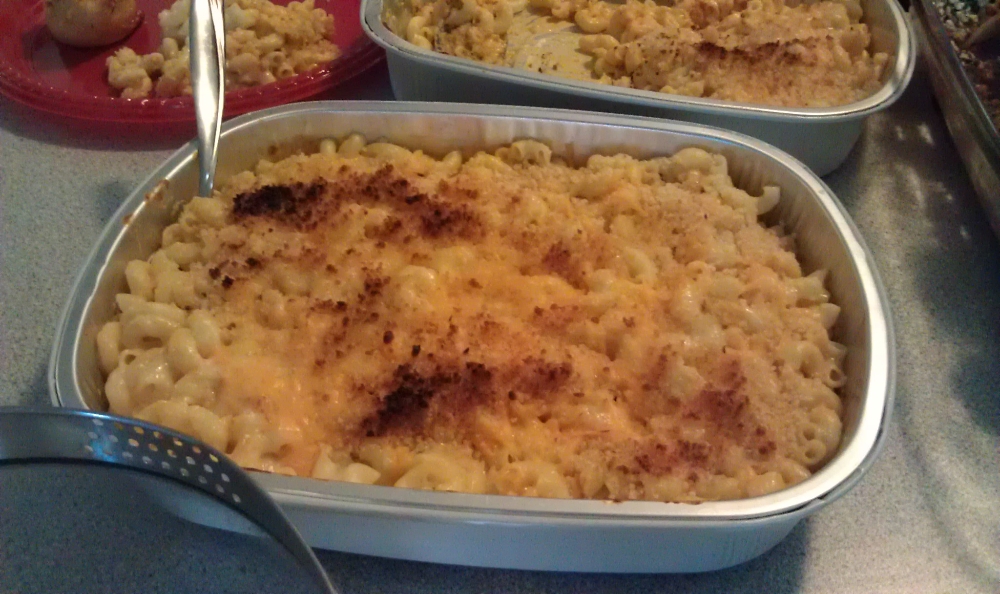
I learned a long time ago that when Mel has a good idea, you should just let her run with it. She wanted to host a family-dinner style potluck because friends and comfort-food are exactly what we needed after a crazy week of bombs and lockdowns. So she invited a bunch of people to our house, and everyone brought deliciousness, and it was awesome.


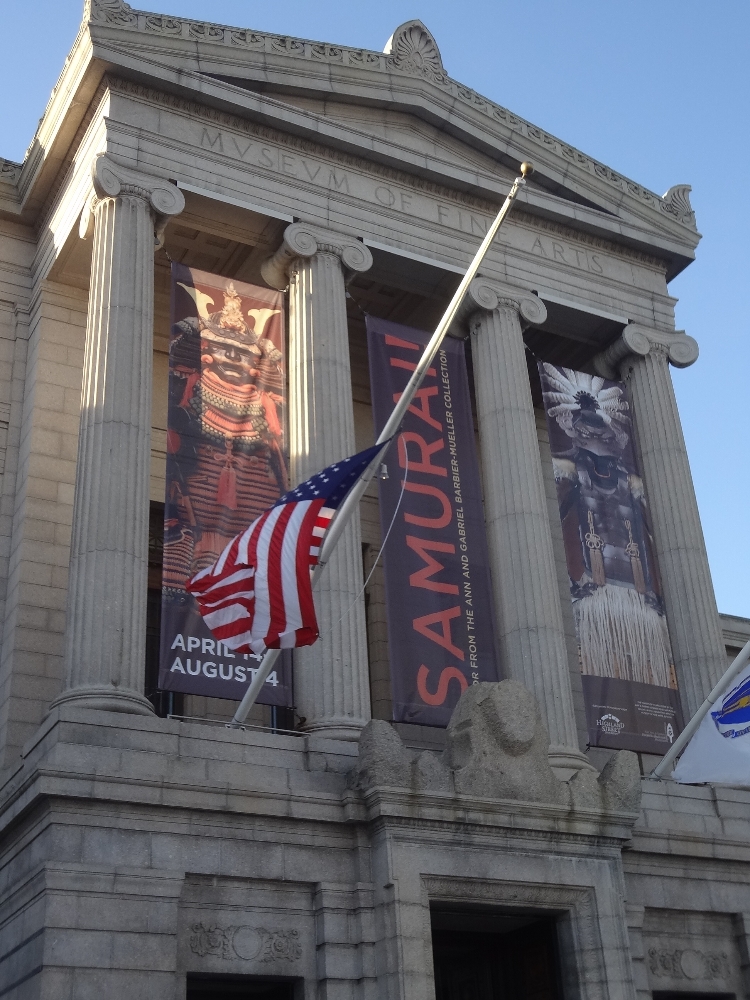
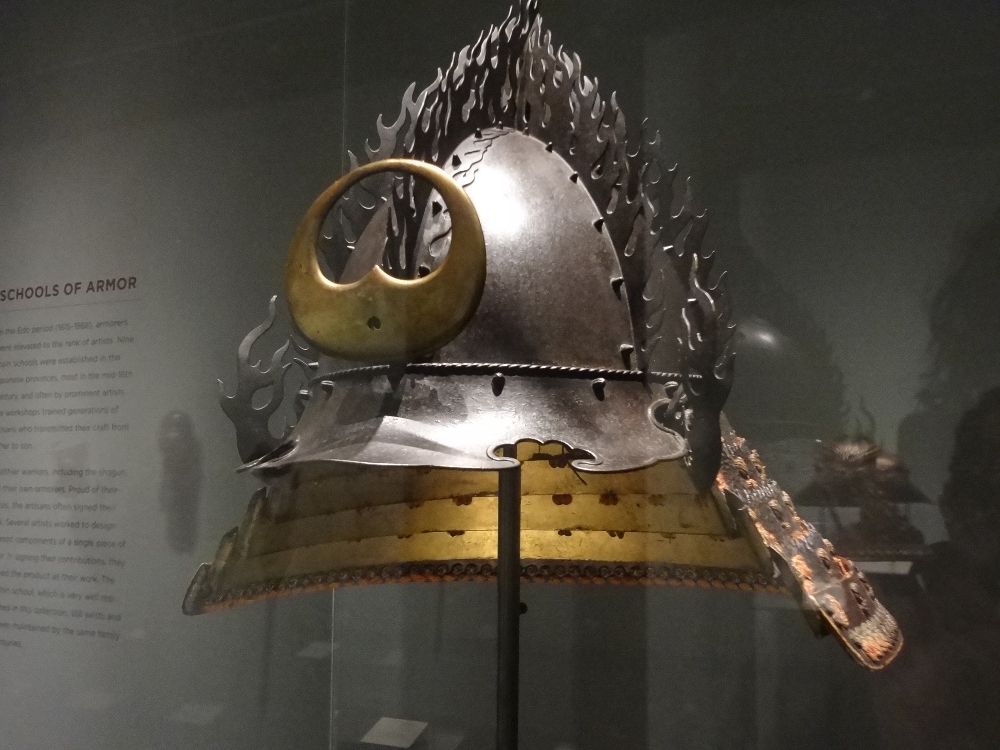
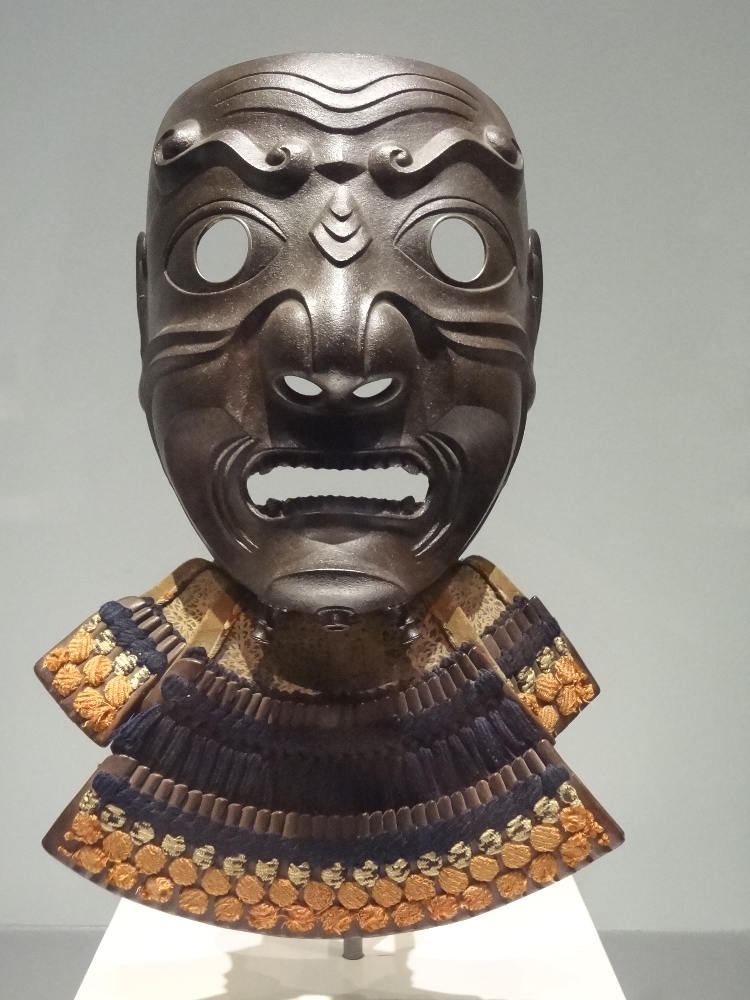
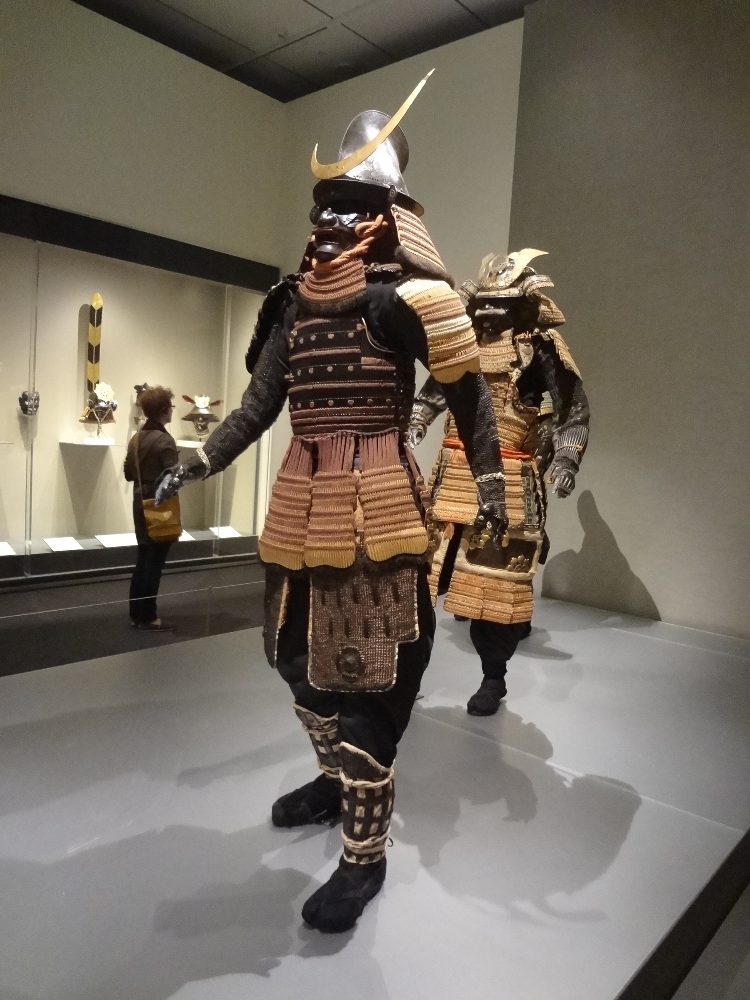
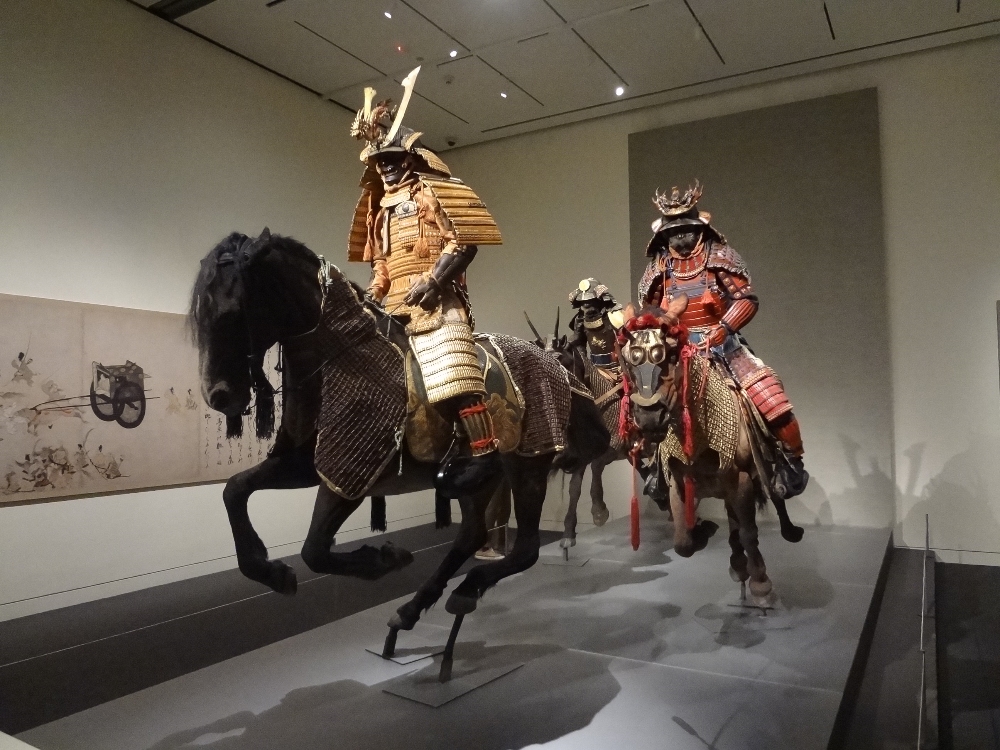
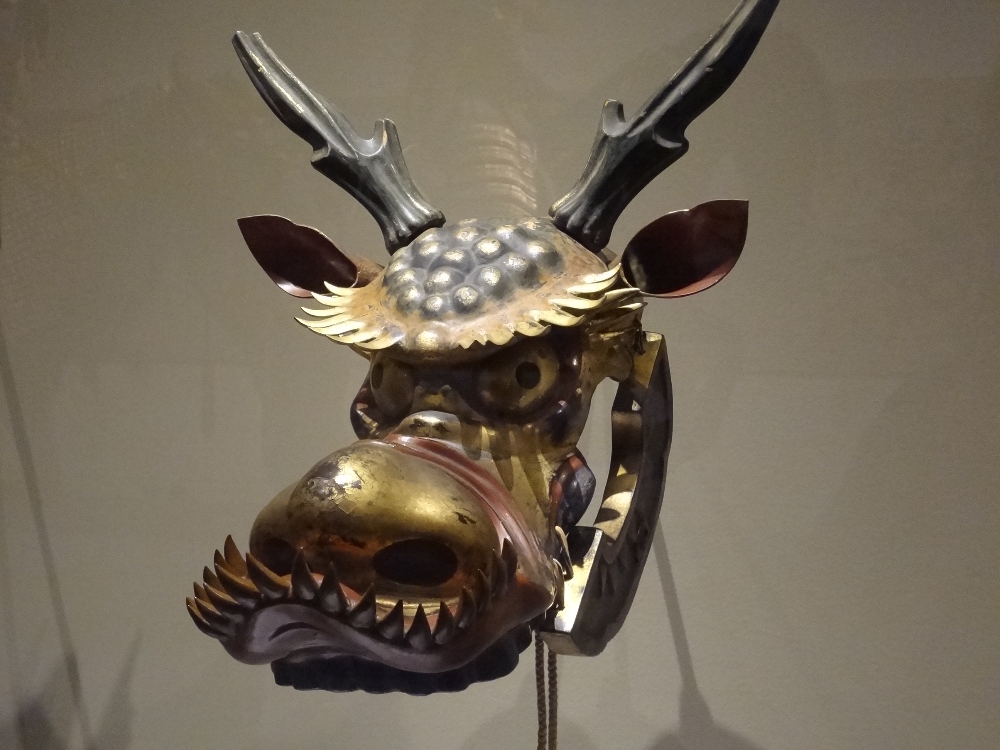
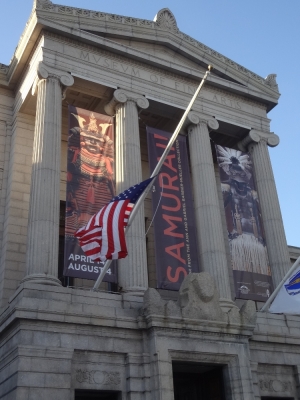 I had a cold last week, which kept us from seeing the MFA’s new Samurai exhibit during the Members’ Preview days. We finally got the chance to see it tonight, and it was spectacular! When it comes to art, ancient Japanese armor is far from my usual favorites, but this is an exquisite collection of truly magnificent craftsmanship. Brian loves this kind of stuff and we were both really excited to see this exhibit.
This is a picture of the facade of the Museum of Fine Arts, Boston. Flags are at half-mast all over the city because of the bombing two days ago. Many of us have barely scratched the surface when it comes to processing what has happened. In one of many gestures that makes me love my city even more, Boston museums offered free admission in recognition that museums offer a place for peaceful reflection.
You got that right.
After we saw the exhibit, we decided to walk up Huntington Ave towards Copley Square, which is still blocked off as a crime scene. We got up to the Christian Science Plaza during that golden hour of dusk when the light is perfect. Museums are great, but the Christian Science Plaza is often where I go when I’m in need of peaceful reflection. It’s absolutely beautiful. I can stand in one place and see four of my favorite buildings all at once, without moving my neck, and their reflections in the pool are simply stunning.
We continued up Huntington Ave until we arrived at the edge of Copley Square. News trucks were absolutely everywhere. Bright lights, cameras, cables, equipment and a lot of people doing nothing. At that point, there was so little to report, and everything that could be said had already been said over and over. I snapped a few pictures and immediately felt bad for acting like a tourist, and yet it’s so important to capture this moment. I’ve taken hundreds of photos of Copley Square. This is my city.
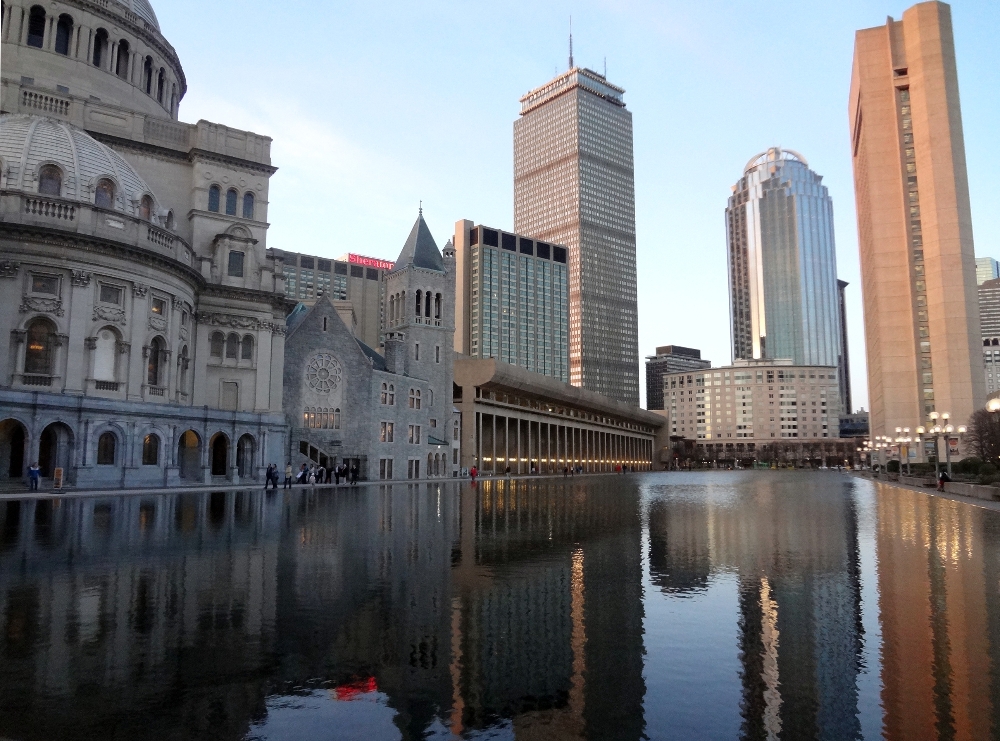
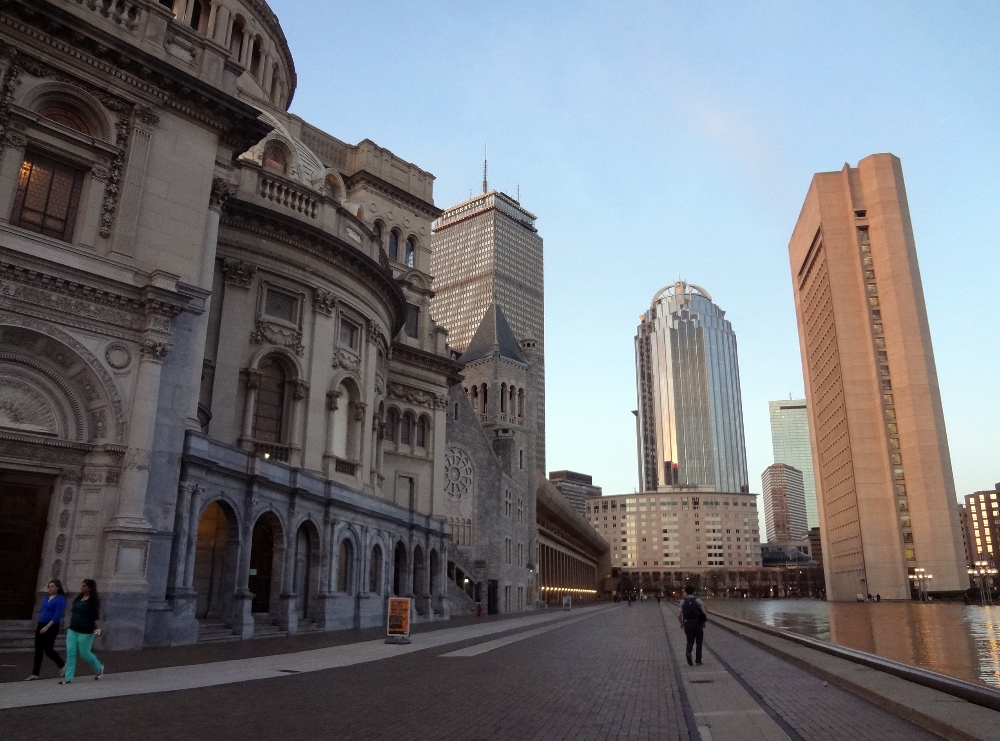
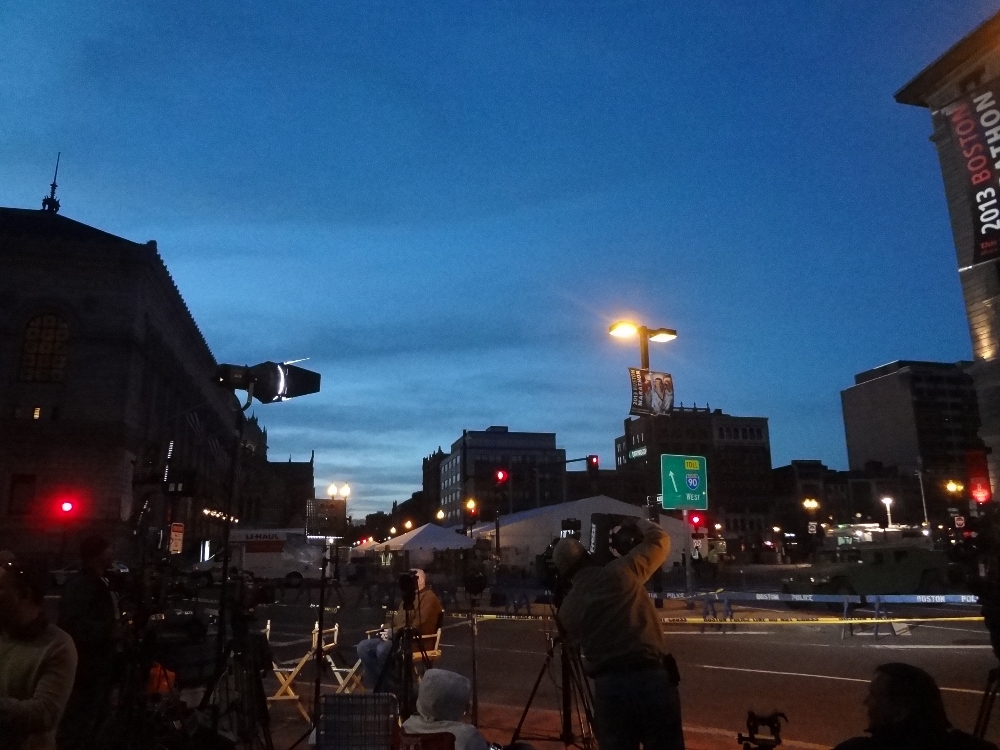
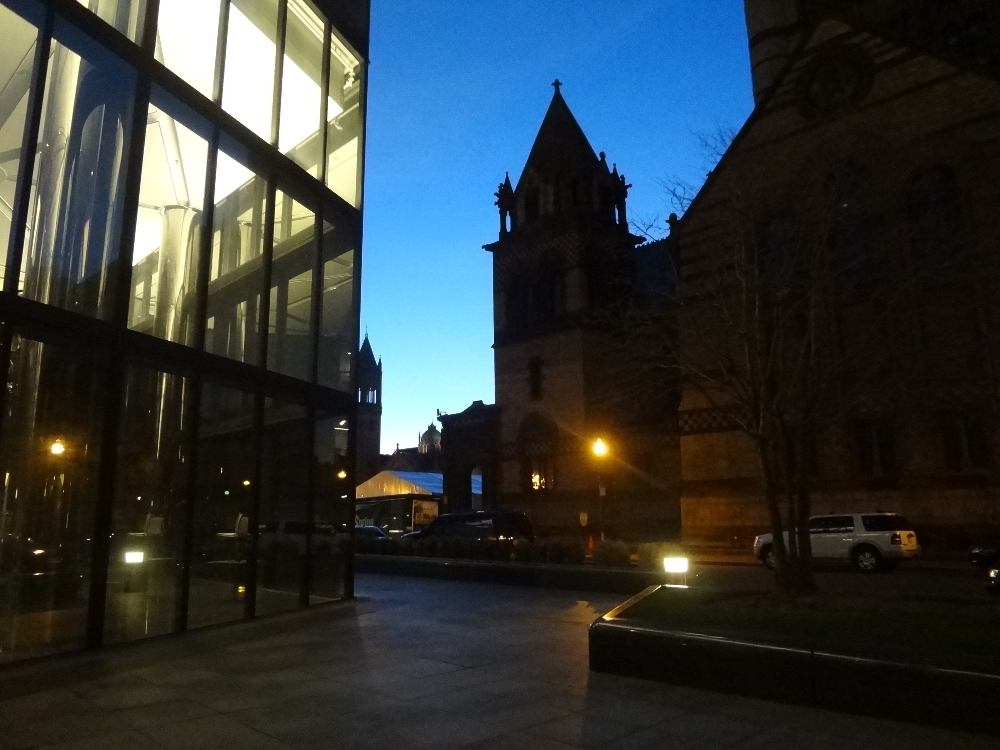
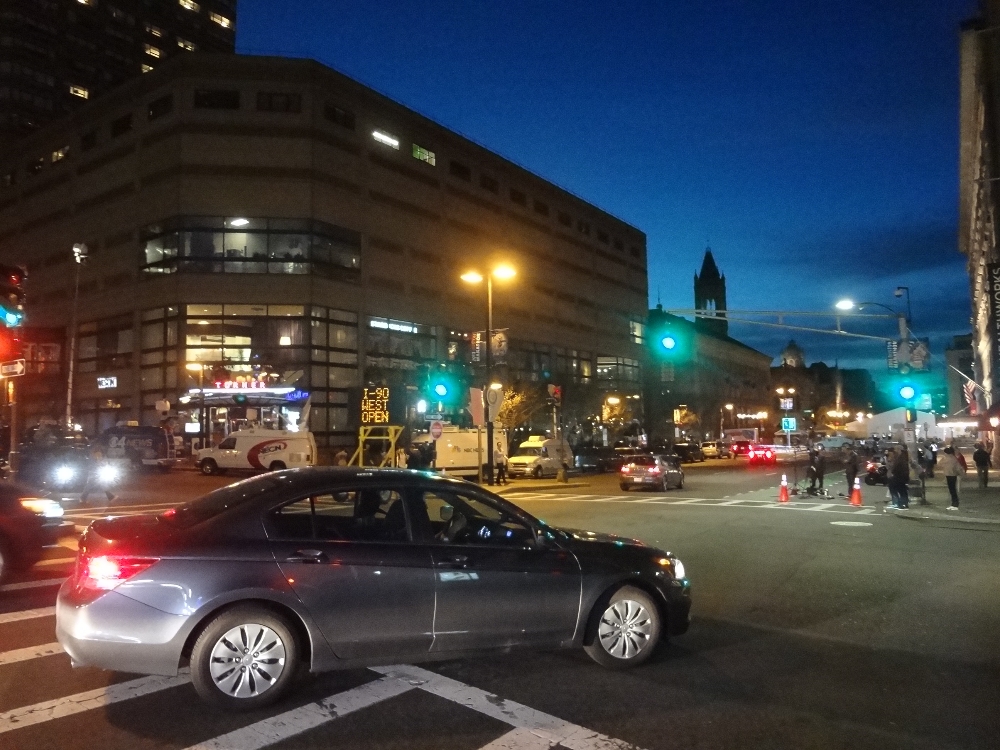
It was a pretty intense weekend. As I write this a few days later, I’m swimming in a sea of conflicting thoughts. This week has been gorgeous – the weather is perfect, the sun is shining, the flowers are blooming, my cold from last week is gone and so is the exhaustion from an incredibly long week at work. I finished a big project, ongoing projects are going well, I’m on-track to meet my deadlines and I’m excited to make plans for a get-away weekend.
And yet, I feel incredibly sad. My city was attacked. We were bombed. Thousands of people ran 26 more miles than I’m capable of running to raise money for charities, and someone attacked them. The sidewalk in front of my dad’s old office building was covered in blood. The heart of my city is a crime scene. Everyone I know knows someone who was hurt or saw terrible things.
I love my city because we are strong. We’ll get through this, but I feel sad, and I just want to feel sad for a little while longer before I let things get back to normal.
Last weekend was a three-day weekend, and before 3pm on Monday, I was having a kick-ass weekend full of family and friends.
Saturday was the first of our two Open House events at work. It’s an incredibly long day after an incredibly long week, but my hard-working colleagues and I suited up, put on a big smile, and impressed the pants off of a few hundred prospective students and their families. It was exhausting, but rewarding.
Brian picked me up, and we headed to our friends’ new house for the first BBQ of the season. Hamburgers, hot dogs, friends we don’t see often enough, and adorable little girls running around chasing bubbles. In other words – perfect. I posted a few photos here.
On Sunday morning, we headed to my parents’ house for family brunch. Mom’s been trying to start a tradition of hosting Sunday brunch more often, and who am I to argue? My aunt and uncle were in town, so it was the perfect excuse to get some people together for bagels and lox and everyone talking all at once. Perfect.
On Sunday afternoon, we celebrated Greek Easter. Brian’s aunt’s family is Greek, so our relatives on his side get together every year to celebrate Greek Easter. This year, we weren’t able to get everyone together, so instead it was just the cousins. Six couples doting on a four-year-old and two infants while eating smoked lamb. In other words – perfect. I posted a few photos here.
On Monday, I slept in, finally, and I had some much needed alone-time while Brian went to the Red Sox game. I had one goal for the day: finish the drawing. I had been commissioned by a colleague to do a drawing of his kids, and I had to postpone my original promise of “early-April” because of the cold from hell. From my couch, I watched Hiroyuki Yamamoto cross the finish line of the Boston Marathon, I heard the bells of Old South Church ringing to mark his victory, and I settled in at the kitchen table with my fancy pencils and erasers. In other words, perfect.
I’m not exactly a sports person, but every year, I watch the Boston Marathon, and every year, I get choked up as I watch thousands of people start the race in Hopkington while thousands of spectators cheer them on. This is what it’s all about. Human endurance. Community. People coming together to support eachother. Hard-working people pushing themselves to perform an enormous feat of athleticism because they can, and because they’re raising money for something that matters.
The drawing came out great, and although I hadn’t run a marathon, I felt like I had really accomplished something with my day, and I gave myself the rest of the day off. By the time Brian came home from the game around 2:30pm, I had settled in on the couch with a book and a snack, ready for a quiet afternoon.
And then it happened.
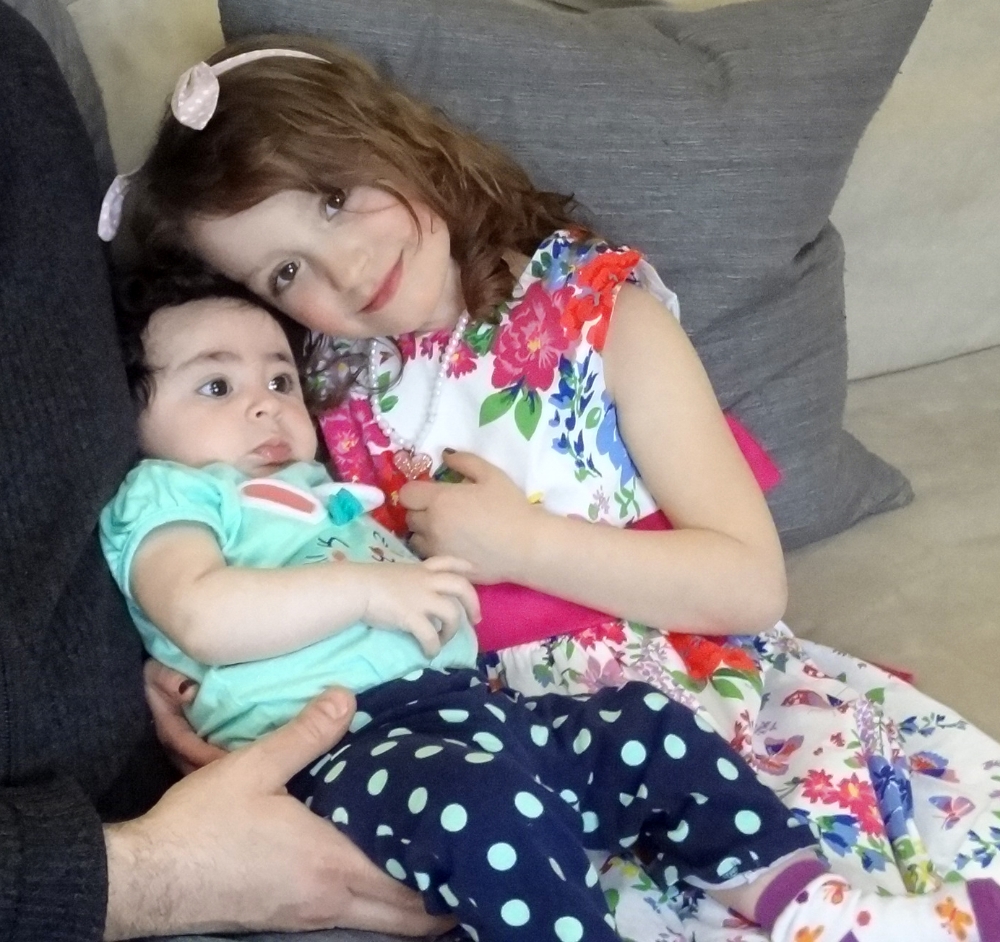
Brian’s aunt’s family is Greek, so our relatives on his side get together every year to celebrate Greek Easter. This year, we weren’t able to get everyone together, so instead it was just the cousins. Six couples doting on a four-year-old and two infants while eating smoked lamb. In other words – perfect.
This was our first time meeting one little infant cousin, and our second time meeting the other. I might be a little biased, but I’m telling you, those are two very special little people.
Family, please click here for more (password protected)




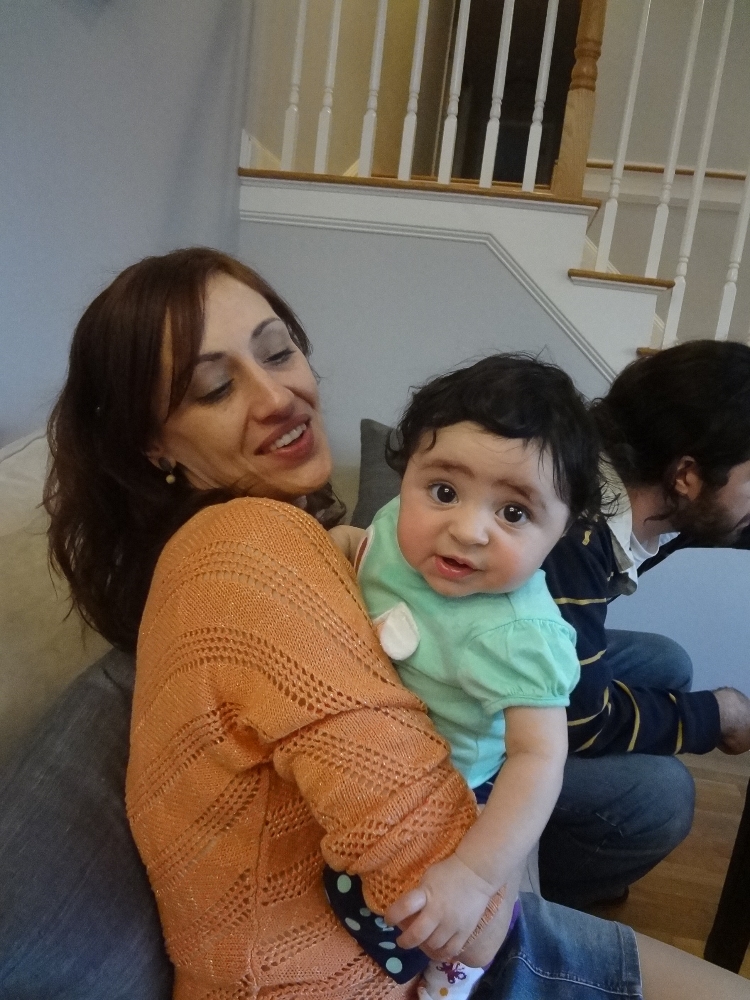
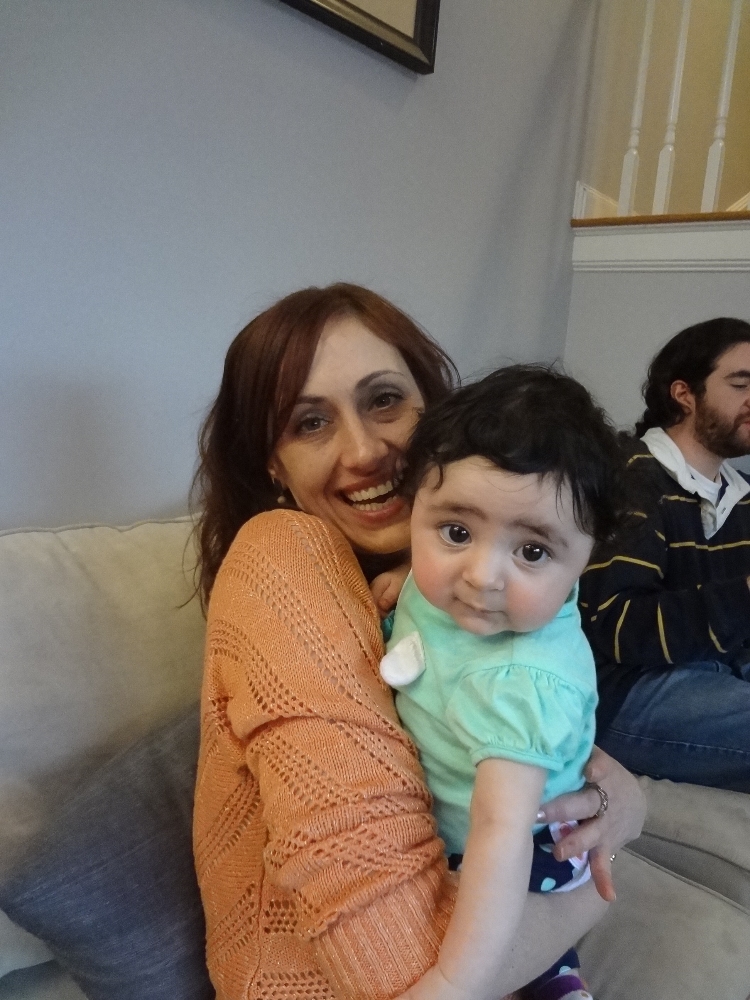

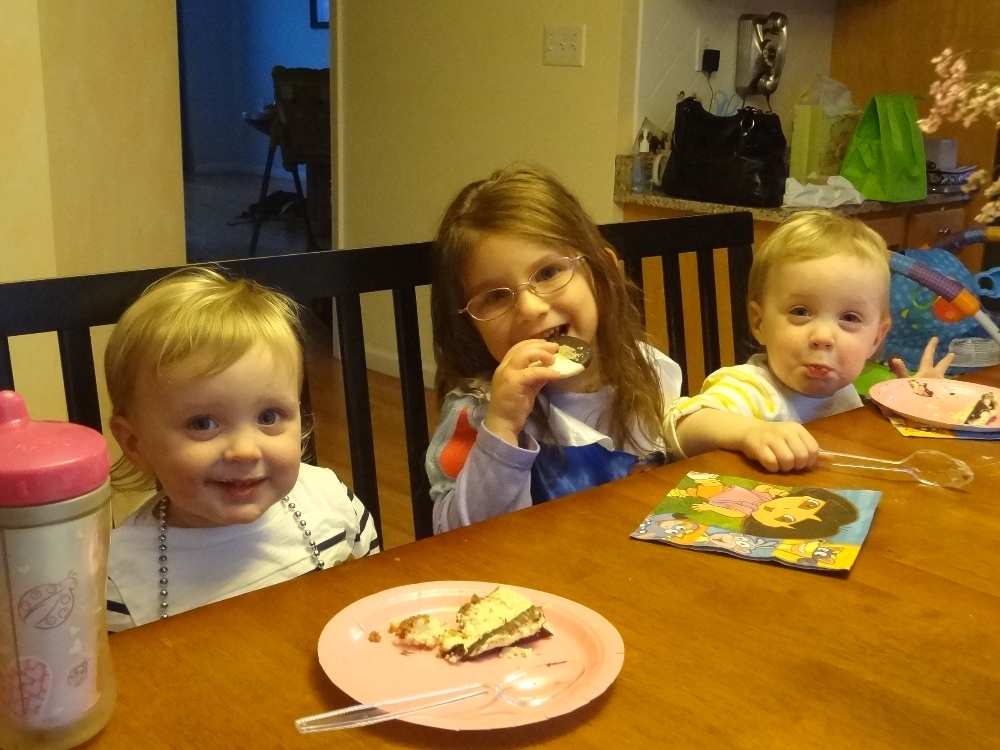
After a long day at work, we headed to our friends’ new house for the first BBQ of the season. Hamburgers, hot dogs, friends we don’t see often enough, and adorable little girls running around chasing bubbles in the backyard. I hope to have many more evenings like this.
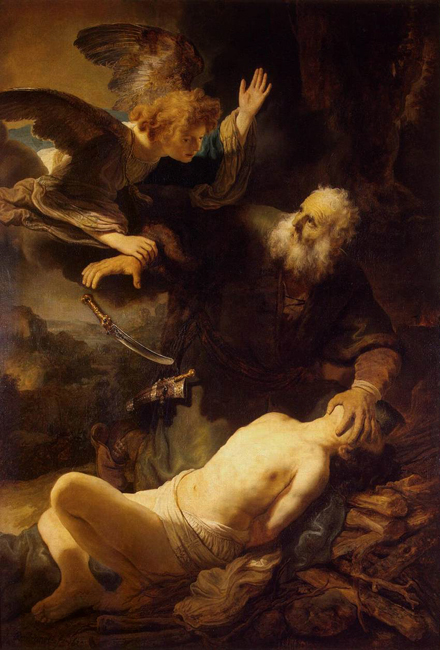
Rembrandt, The Sacrifice of Abraham, 1635, The Hermitage, St. Petersburg
This is my fifth article in a monthly series of articles about paintings that tell ancient stories, drawing from my Stories in Art project.
Please click here for a full list of articles in this series.
~ § ~ § ~ § ~
The story of Abraham and Isaac is one of the most frustrating and fascinating stories in the bible. It’s frustrating because God gave Abraham an impossible task, and we’ll never know what would have happened if an angel had not interceded at the last minute. It’s fascinating for many, many reasons including the fact that artists nearly always depict the exact same moment of this complex story.
The story is brief, yet heavily weighed down by disturbing questions. God told Abraham to make the ultimate sacrifice: “Take your son, your only son, whom you love—Isaac—and go to the region of Moriah. Sacrifice him there as a burnt offering on a mountain I will show you” (Genesis 22) Although God had already asked a lot of Abraham by this point in his life, the old man dutifully set out to do as he was instructed. He bound his son and raised his knife, and then suddenly an angel appeared. The angel stopped Abraham, and pointed out a ram to be sacrificed instead.
Rembrandt’s The Sacrifice of Abraham captures this scene perfectly. Isaac is utterly defenseless and his vulnerability is almost painful to the viewer. Abraham is aged but bent forward with deliberate intention. His hand covering his son’s face is both violent and merciful, while his other hand dropped his knife when the angel arrived. Rembrandt depicted the utmost crucial moment of this story: the exact moment when the angel arrived and surprised Abraham. His knife has only fallen a few inches, which emphasizes the immediacy of this essential moment.
Many artists have taken on this intricate story, and paintings that depict well-known stories often vary in the exact moment that the artist chooses to depict. Some paint the early moments of a story while others paint the conclusion. In every single painting of Abraham and Isaac that I know of, the artist depicted the exact same moment in the story: the moment when the angel stopped Abraham from sacrificing his son. This is the moment when we learn that God wasn’t going to let Abraham hurt his son, and it’s also the moment when we learn that we’ll never know if Abraham was going to do it or not. This crucial moment sums up the entire story and opens up so many more questions.
To examine those questions, we’ll take a closer look at the characters in this scene, and other paintings that depict this deciding moment.
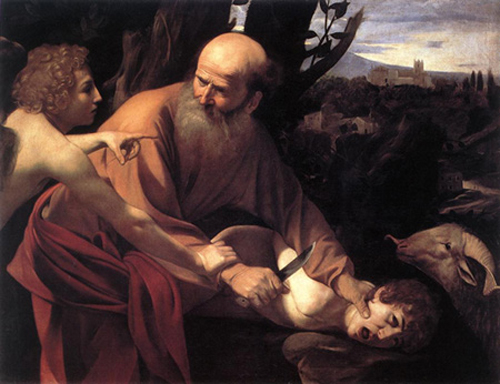
Michelangelo Merisi da Caravaggio, Sacrifice of Isaac, 1601-2, Galleria degli Uffizi, Florence
Isaac:
Although Abraham is the main character of this story, Isaac is often the most compelling figure in the scene. This is perhaps most true in Caravaggio’s take on the Abraham and Isaac story. Caravaggio often identifies with the victims in his paintings, and his Isaac is one of his most heart-wrenching figures. Both of Abraham’s arms draw our attention directly to Isaac, especially with Abraham’s firm grip on his knife and on Isaac’s neck. The danger here is imminent, and Isaac’s terror is acute. His expression conveys not only terror, but also shock and disbelief. Caravaggio’s scene draws our attention to the betrayal that Isaac must have felt when his father showed his determination to sacrifice him.
In depicting a story about a man whose choices are guided by God’s angels, some artists drew our focus to the terror of the innocent pawn caught in the middle of a dangerous test.
Abraham:
Was Abraham really going to kill his son? I find it incredibly frustrating that we’ll never know the answer to this question because the angel arrived before we find out if Abraham was about to follow through. Abraham was nothing if not dutiful, and he seemed intent on following God’s instructions regardless of how utterly crushed and bewildered he must have felt after hearing God’s command to sacrifice his long-awaited son.
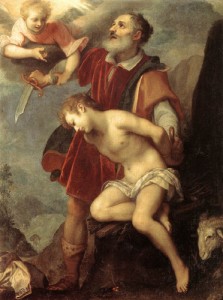
Lodovico Cigoli, The Sacrifice of Isaac, 1607, Galleria Palatina, Palazzo Pitti, Florence
Maybe Abraham knew all along that he would never have to follow through and actually kill his son. God had promised that Isaac would one day be a father, so Isaac would have to survive this ordeal somehow. But God works in mysterious ways, and even as Abraham raised his knife over his son, did he question whether God would allow his son to live?
Abraham must have been tortured by his thoughts in this moment, and few artists have managed to capture those emotions in the face of Abraham. Instead, it’s Abraham’s arms that tell the story: one arm restrains his son while the other arm is stopped in mid-air. Abraham is startled by the angel’s sudden arrival, and he turns away from his son to face the angel.
The Angel:
If you have every wondered what you would have done if God had tested you by asking you to sacrifice your son, then perhaps you have also wondered if God has ever sent an angel to guide your actions. Does God still send angels to stop us from doing terrible things? Perhaps history is full of moments that look just like paintings of Abraham and Isaac, and there are millions of never-painted scenes of angels arriving just in time. The scene of an angel stopping Abraham gives us hope that if we are as dutiful as Abraham, then God won’t let us do anything terrible.
The Feud that Sparked the Renaissance
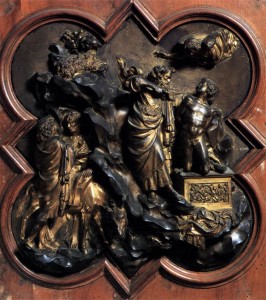
Lorenzo Ghiberti, Sacrifice of Isaac, 1401, Museo Nazionale del Bargello, Florence
The story of Abraham and Isaac has a very special place in the history of art. In 1401, several artists entered a competition for the prestigious job of decorating the doors of the Baptistery of St. John in Florence. The winner of the competition, Lorenzo Ghiberti, went on to spend the next fifty years of his life casting spectacular scenes on the bronze doors of the baptistery, while the runner-up went on to become the ingenious architect of Florence’s most recognizable feature: the enormous dome of the cathedral.
This baptistery competition, which jump-started the spectacular period of artistic growth known as the Renaissance, focused on the theme of Abraham and Isaac. The competitors were to submit a bas-relief panel illustrating this dramatic scene. It is telling that this theme was chosen for the competition among so many compelling religious themes. The winner of the competition was the first to capture the emotional depth of this scene, as well as the pictorial challenges of the moment that changed everything.
~ § ~ § ~ § ~
~ § ~ § ~ § ~
Previous article: Abraham and Hagar | Next article: Rebekah at the Well
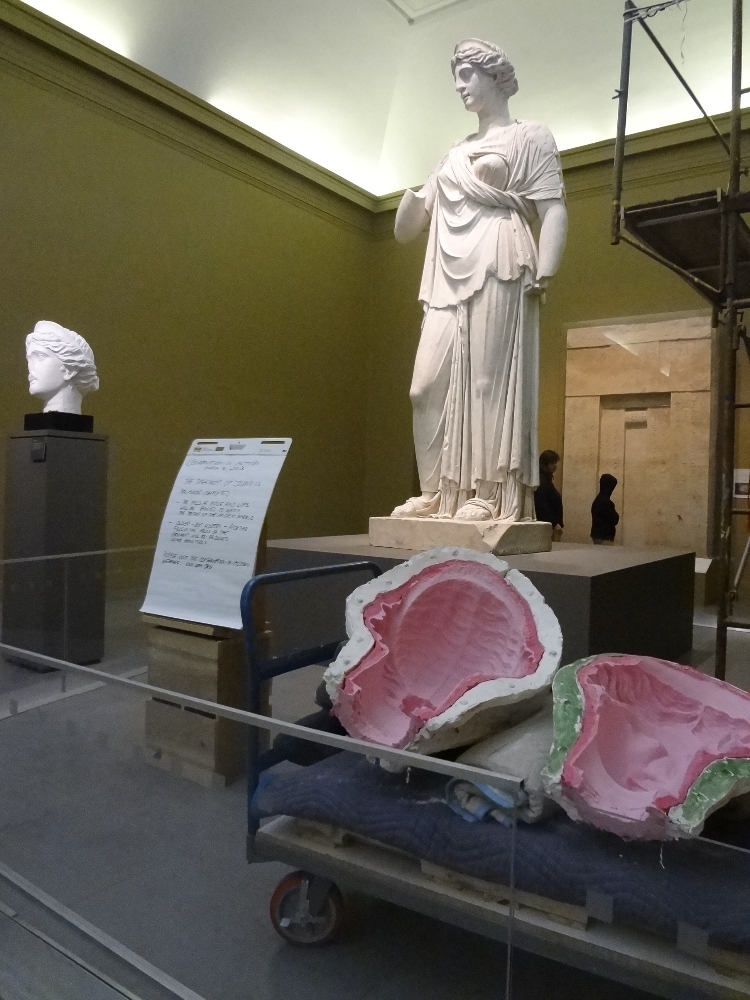
The second-half of Spring semester is always the busiest most exciting time of the year for me at work, and this year, it’s also a very exciting time to be an art-lover in Boston. Here’s why:
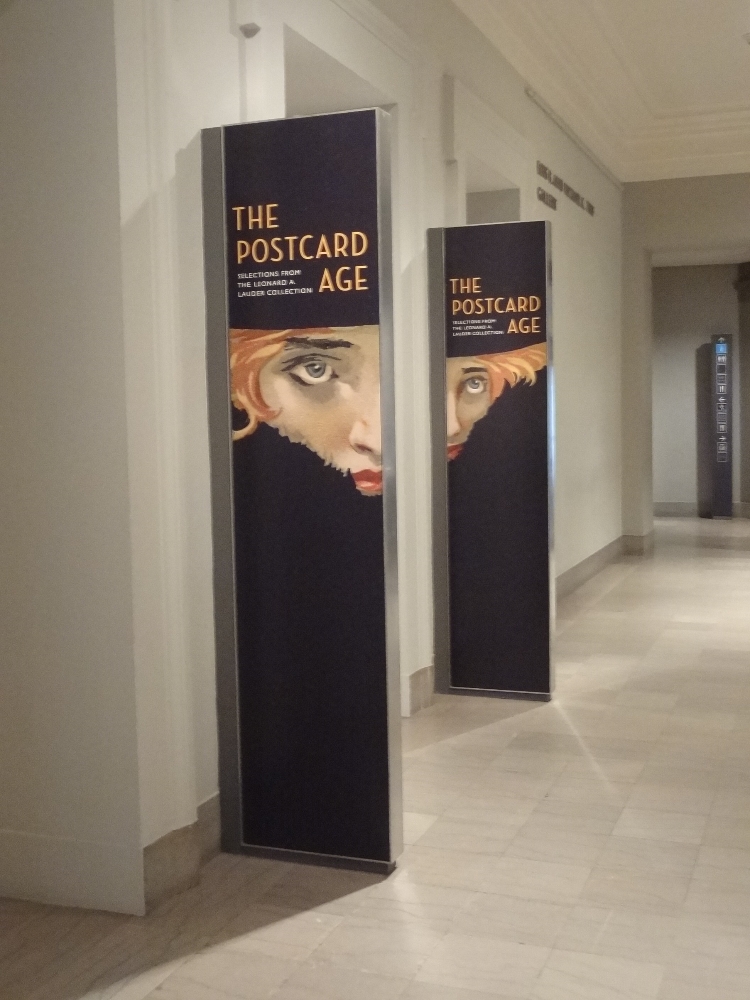
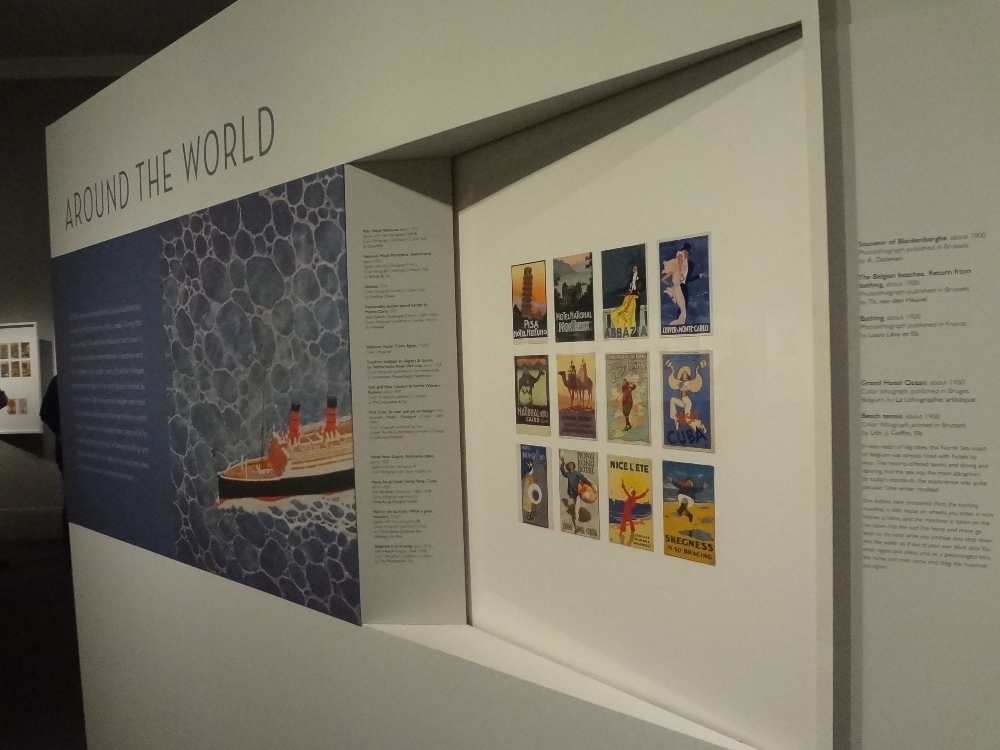
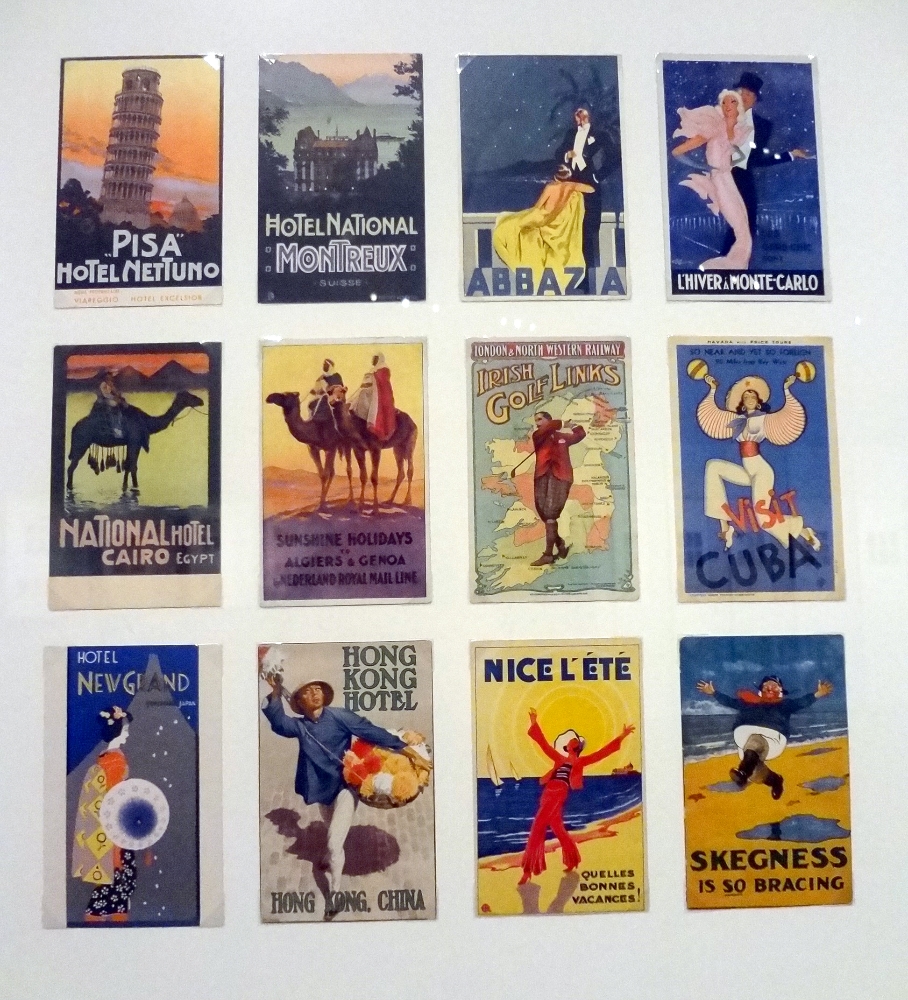
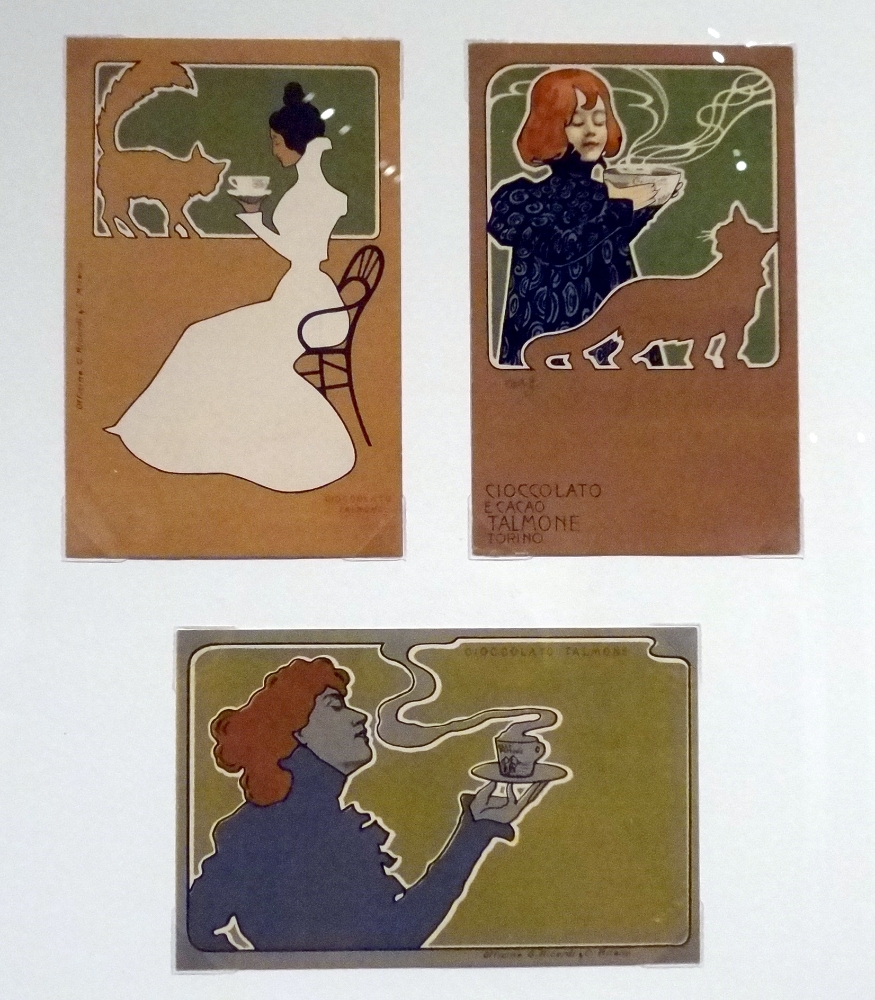
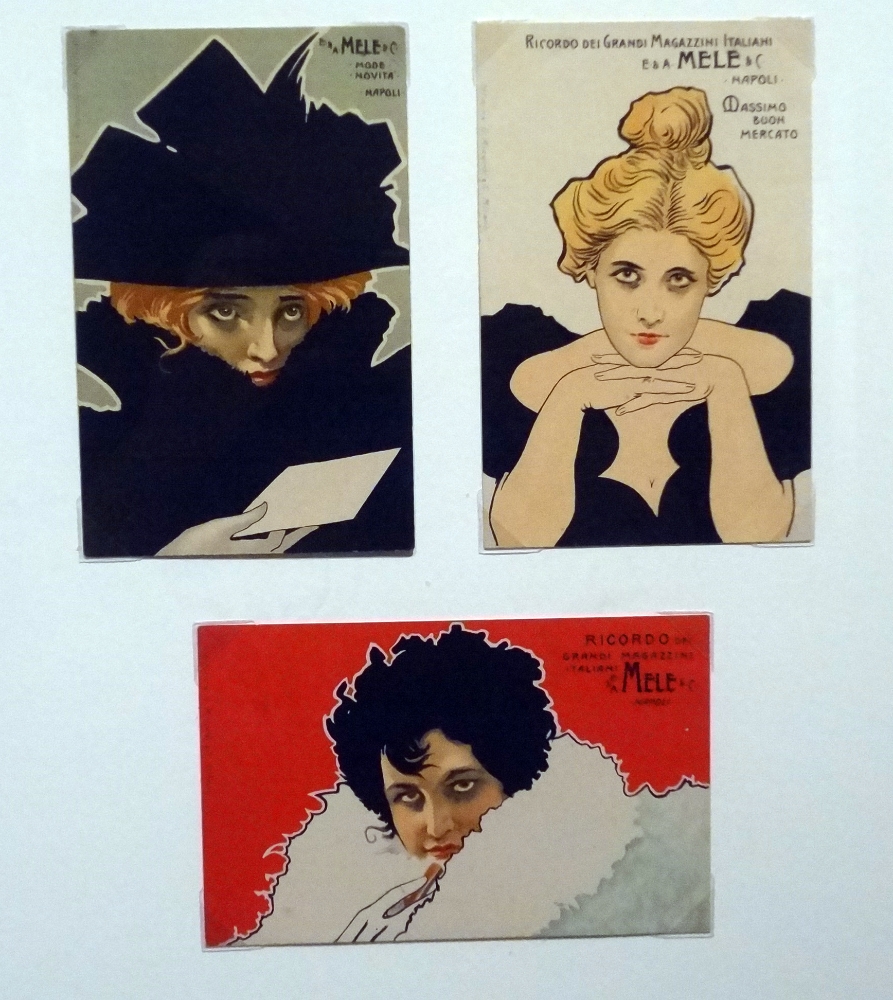
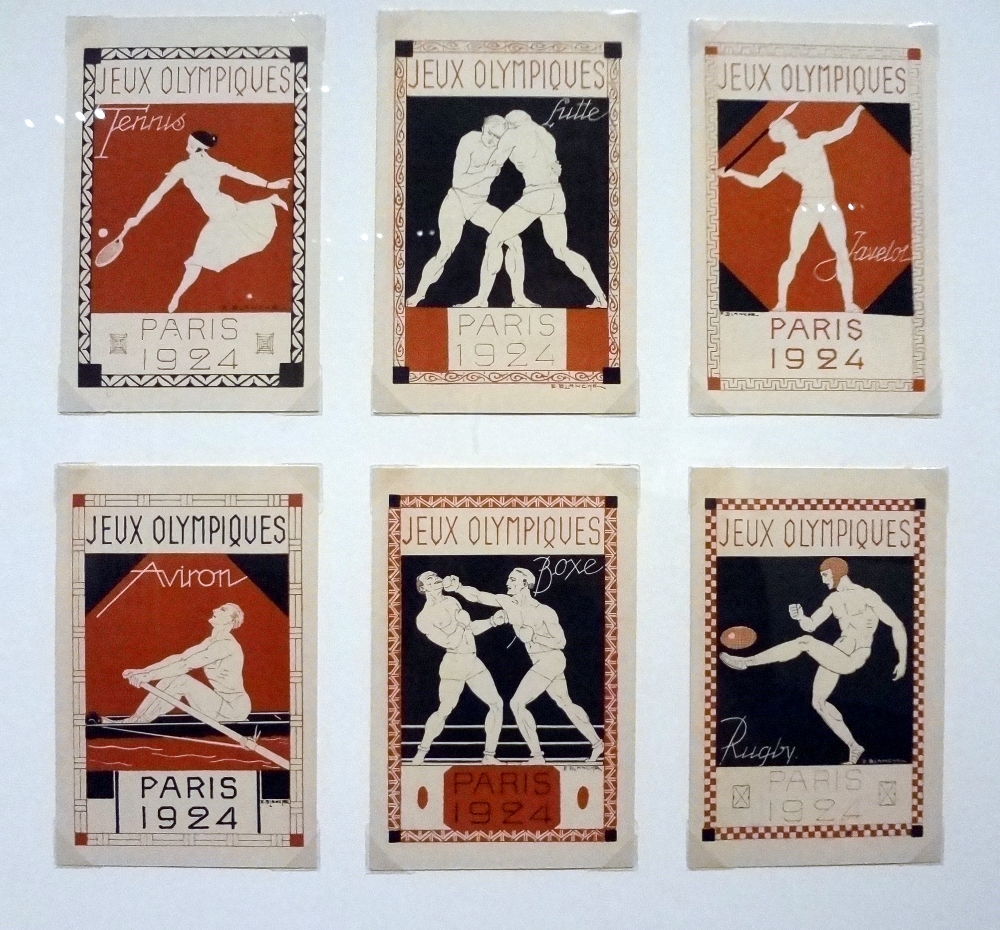
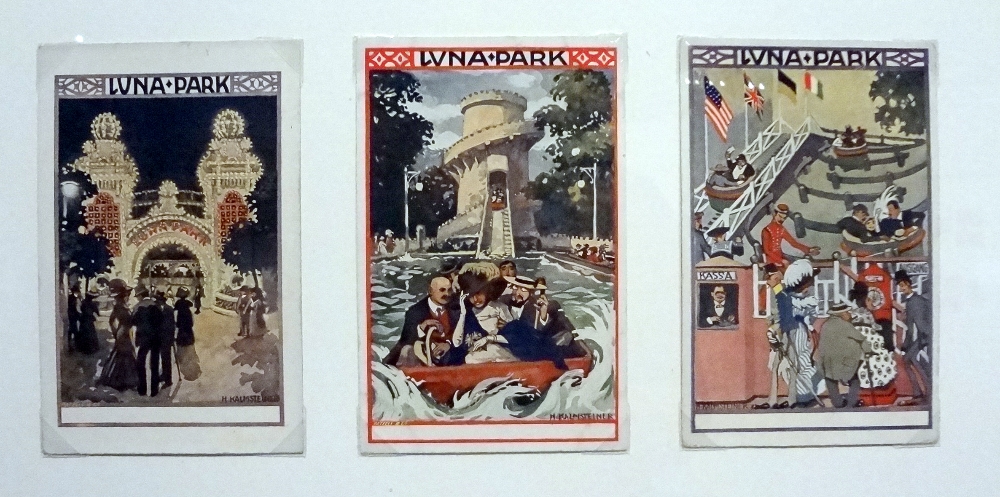
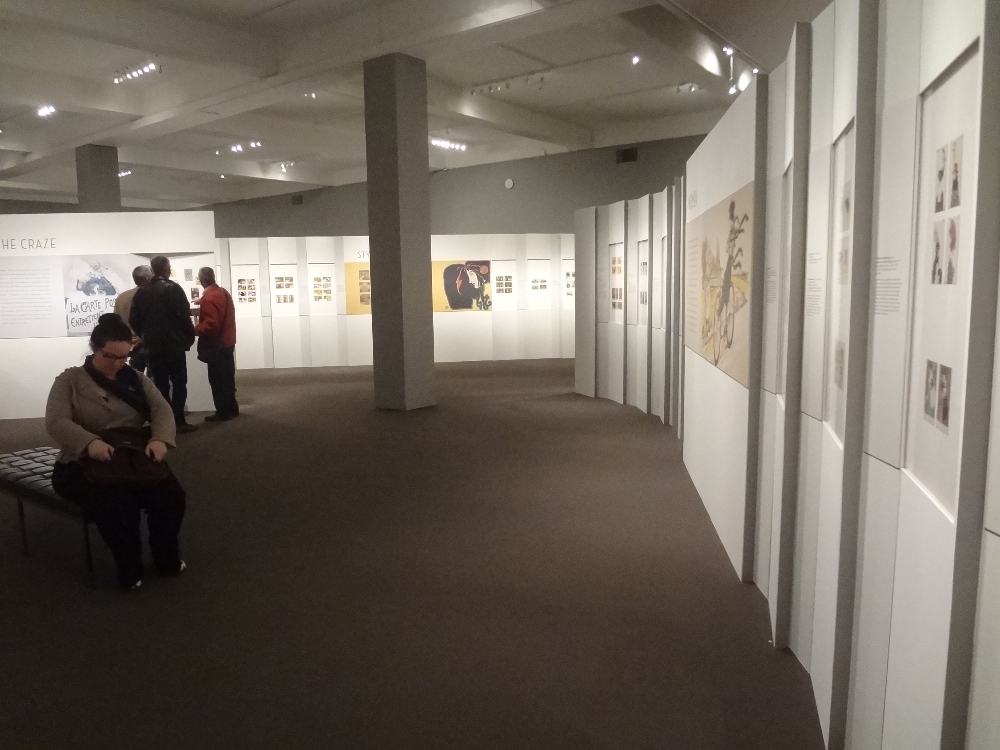
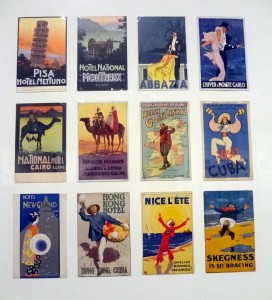 The Postcard Age
Our household is wicked excited about these two exhibits opening very soon at the MFA:
[Not a valid template]Every year, the Gardner Museum’s talented gardeners grow long vines of nasturtiums and hang these bright orange beauties in Mrs. Gardner’s gorgeous courtyard. Why? Because Mrs. Gardner did it, and it’s a wonderful tradition that the museum keeps up. It’s not Spring in Boston without the nasturtiums or the return of the Red Sox. These delicate flowers will hopefully hang in the courtyard until the annual celebration of Mrs. Gardner’s birthday on April 14th.
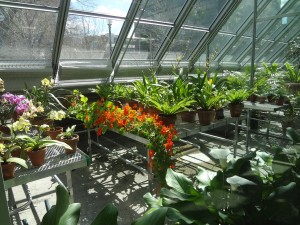
No photography is Isabella’s palace, but her brand new greenhouse in the new wing is fair game.
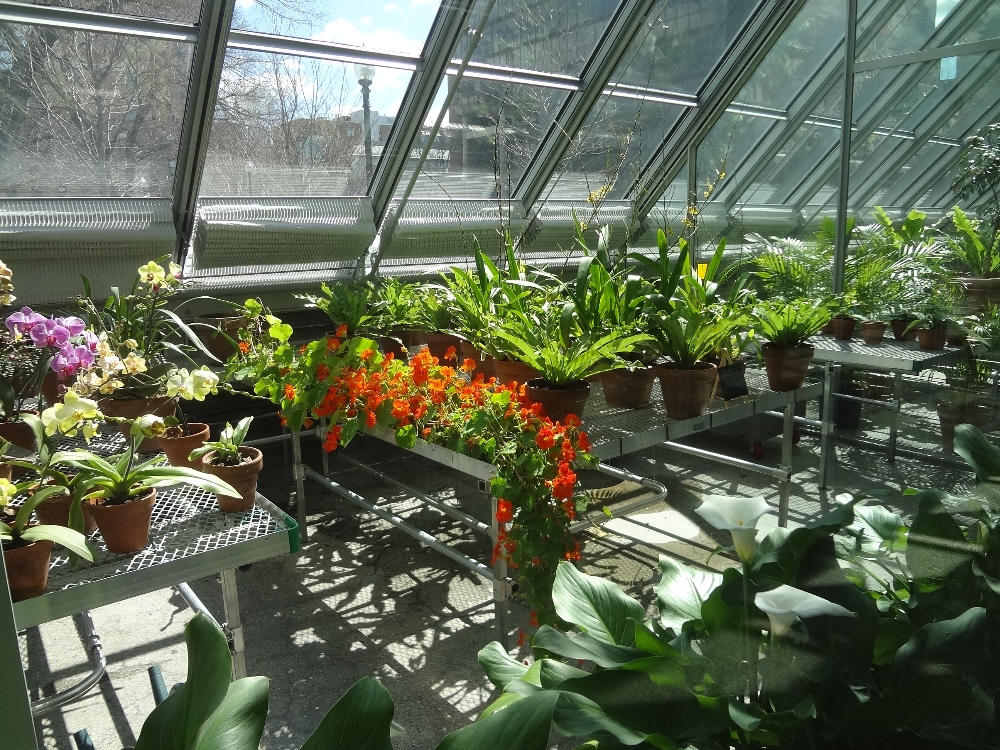
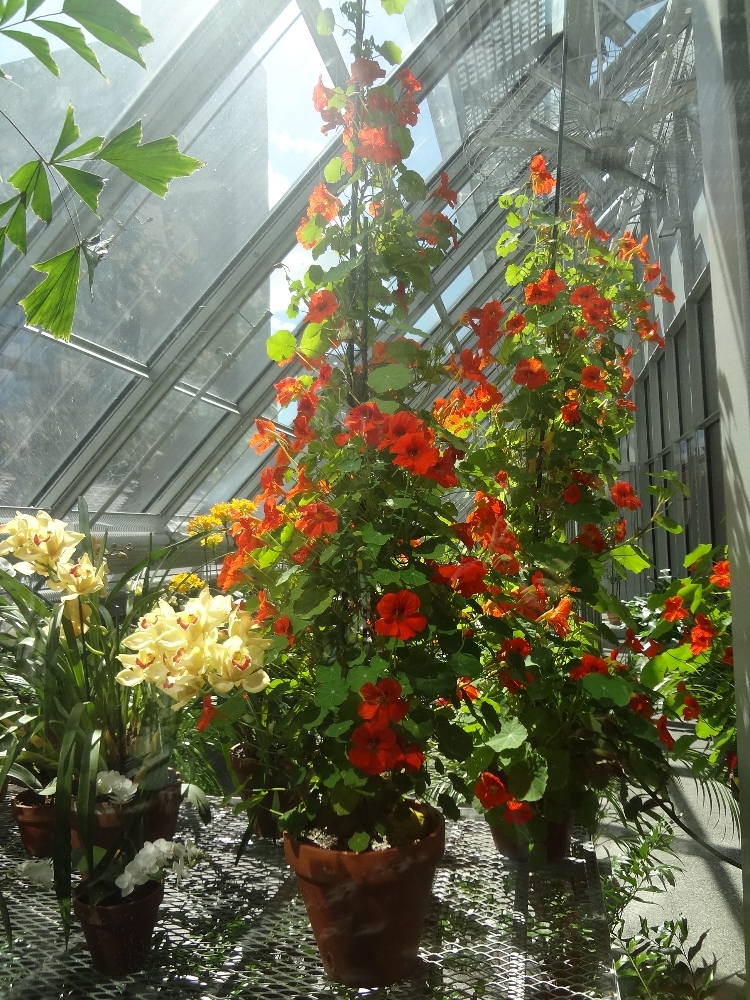
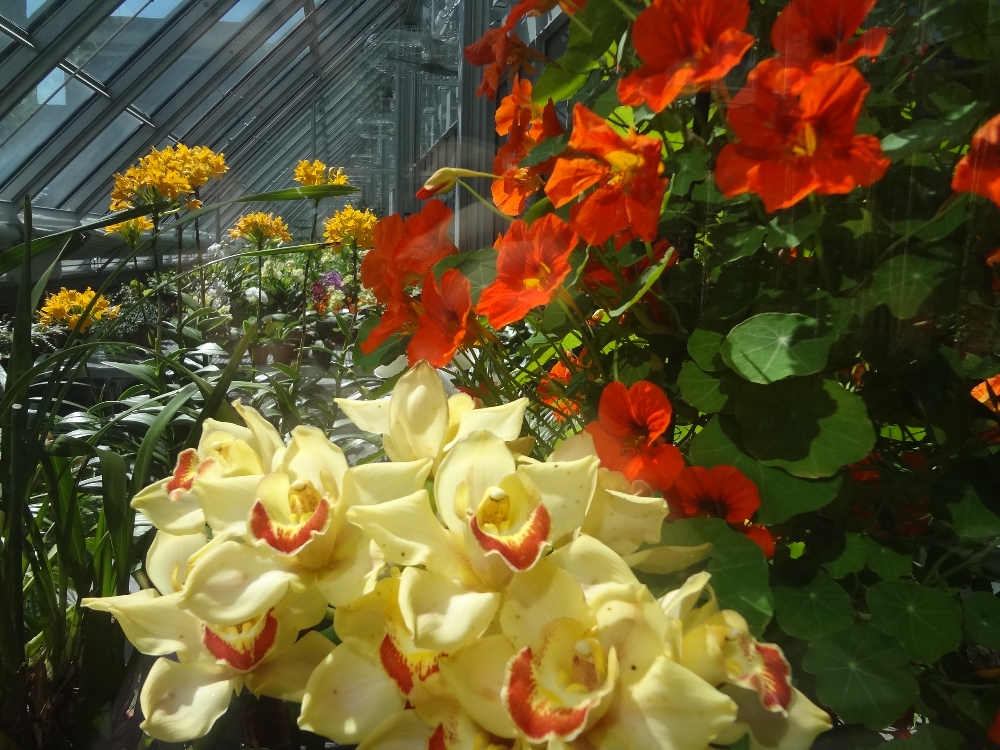
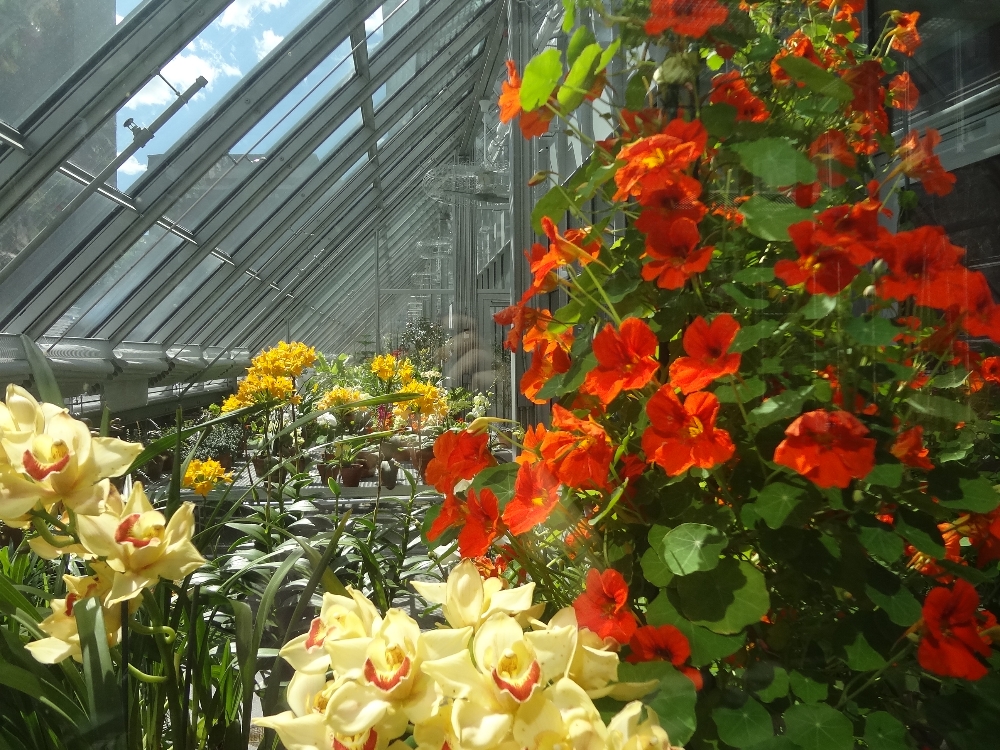
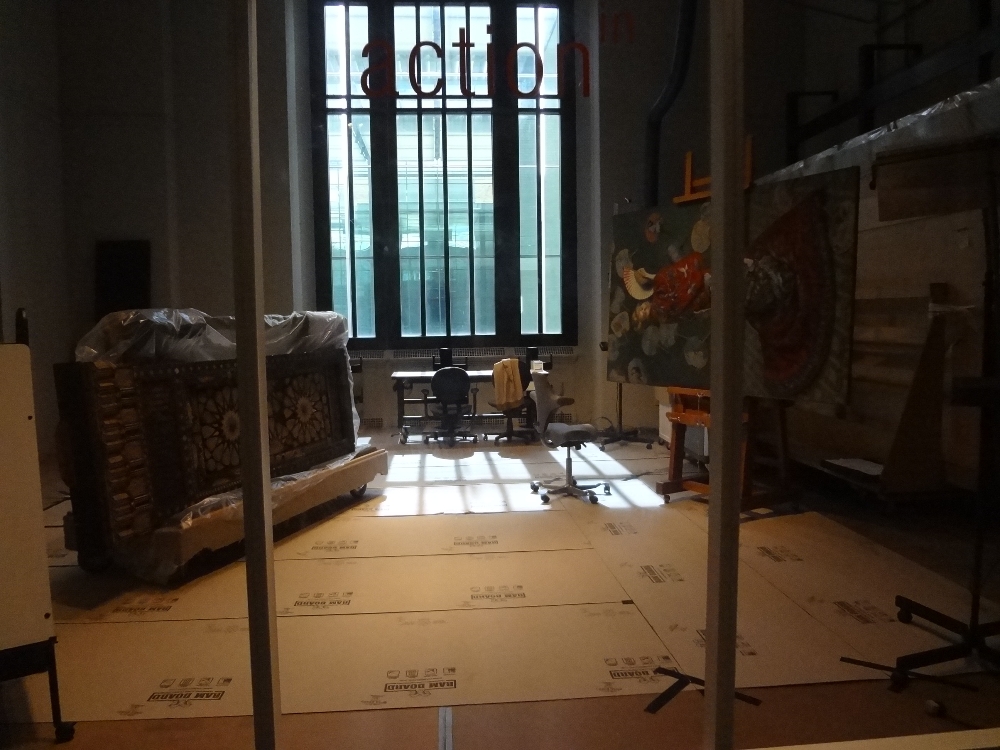
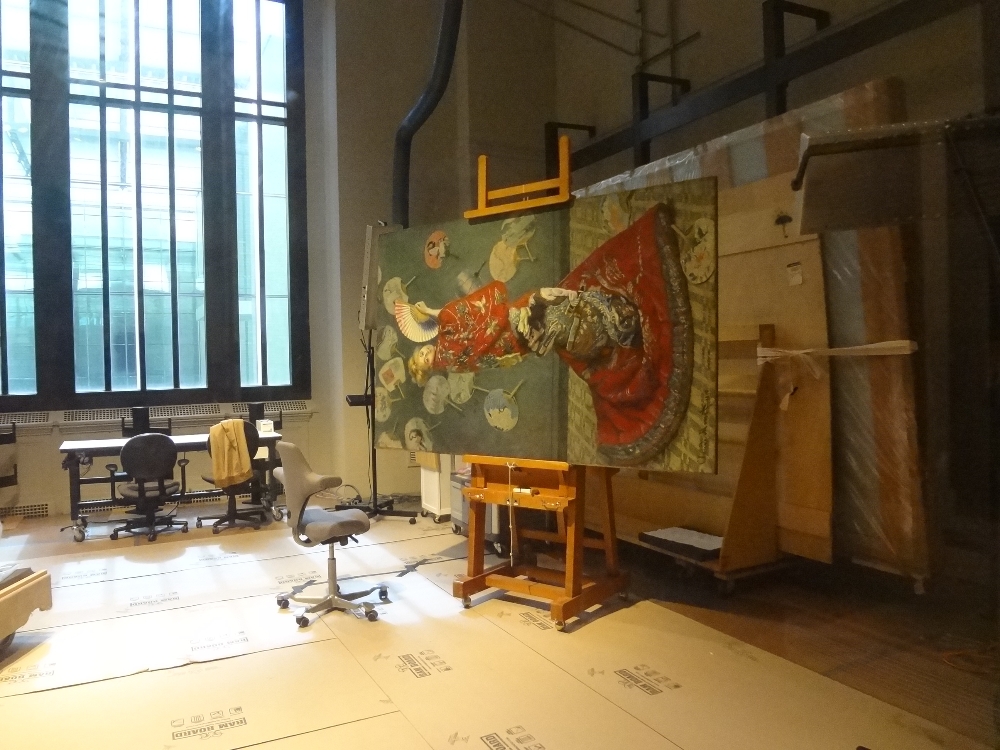
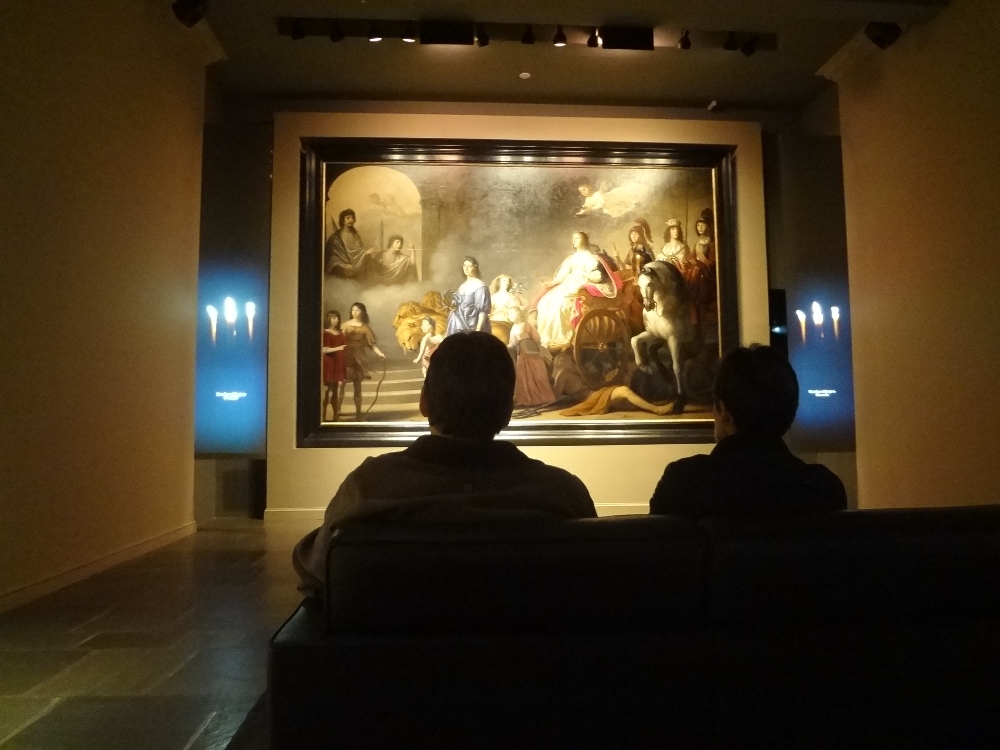
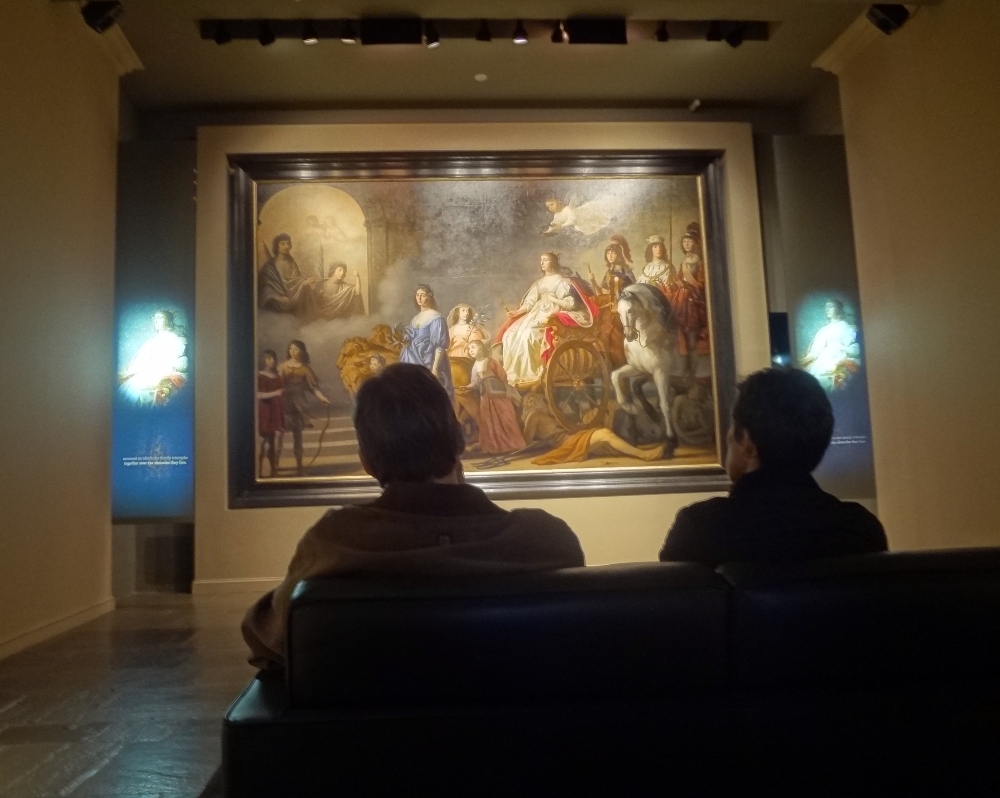
[Not a valid template]I love that I live within walking distance of two of my favorite museums in the entire world (and that is really saying something because I’ve been to a lot of museums). I finally got the chance to take a much-needed long walk and see some things I’ve been meaning to see. First, a visit to the MFA to check out The Postcard Age, a phenomenal exhibit that closes soon. Then, a quick spin around several of my favorite galleries, and then a visit to the wonderful exhibit on the Triumph of the Winter Queen before dashing through the Gardner Museum to see the gorgeous nasturtiums that just went up.